
 Call us today at 1-888-758-7527

Post-Workout Replenishment: Nutrition for Training Recovery
This article from Marty Gallagher is a practical nutrition guide for hard-training athletes: when to replenish after a serious workout, what to eat or drink, how bodyweight changes the equation, and why a second recovery meal can matter after body-crushing resistance training. For powerlifters, bodybuilders, weightlifters, athletes, first responders, and military trainees, the lesson still holds: demanding workouts with strength training equipment, free weights, or cardio equipment need to be matched with disciplined post-workout replenishment.
Post-Workout Replenishment
Featured Weight Training Equipment: dumbbells, barbells, kettlebells, free weights
Nutrition note: This article reflects Marty Gallagher’s training-and-recovery perspective for serious athletes. Anyone managing diabetes, metabolic disease, food allergies, pregnancy, medication, or a medical nutrition plan should consult a qualified healthcare professional before making major changes to protein, carbohydrate, supplement or calorie intake.
If you train hard as hell, what you eat or drink after your workout becomes important. Those of us that engage in body-crushing weight training sessions can improve the results derived from training sessions by replenishing immediately afterwards. Once the supposition is accepted, i.e. workout results are improved by post-workout replenishment, the premise raises a logical series of subsequent questions…
- Why replenish?
- What is the “window of opportunity” and how long is the window open?
- What is the ideal nutrient breakdown for replenishment?
- Is there a benefit to solid food as opposed to liquid replenishment?
- Should post-workout supplementation be adjusted for bodyweight?
- Is there an ideal post-workout meal and/or replenishment supplement?
- What about a second “recovery meal?”
- Do we need to replenish after cardio?
Why Replenish After Hard Weight Training?
Replenish after a hardcore training session: When progressive resistance training, i.e. dumbbells, barbells or kettlebells, is sufficient to induce hypertrophy, any nutrients ingested post-workout are broken down and distributed at an accelerated rate. Muscles shattered in a high-intensity progressive resistance workout have an ability to soak up nutrients like a dry sponge thrust into a pail of hot water. This muscle-sponge sensitivity has a finite shelf life. The ideal time to replenish is upon completion of an intense training session. There is no need to replenish after a mild or moderate training session because nothing of any physiological significance has occurred.
For lifters training with serious free weights, heavy adjustable dumbbells, loaded barbells, or kettlebell sessions, the real question is not whether nutrition matters; it is whether the workout was intense enough to justify immediate replenishment.
What Is the Post-Workout Window of Opportunity?
A “window of opportunity” opens at the end of a sufficiently intense free weight workout. Many coaches and athletes describe this window as staying open for roughly 45-90 minutes. While the window is “open,” nutrients are processed and distributed faster than under normal metabolic circumstance. An exhausted muscle intakes healing, regenerative nutrients at an amplified rate. Muscle growth can be greater than if the identical workout were done without the post-workout replenishment. That is a powerful statement and provides all the rationale needed to begin systematically replenishing post-workout.
Ideal Nutrient Breakdown for Replenishment
What is the ideal nutrient breakdown for replenishment? Most experts agree that the ideal post-workout replenishment meal or shake must provide a balanced delivery of quality nutrients. High BV protein provides muscle building blocks that shock-blasted muscles need to rebuild and to grow new muscle. Carbohydrates refill glycogen stores depleted by the session and provide a useful post-workout insulin response: not too much, not too fast. Quality fat provides caloric density and suppresses cravings. Sugar, trans-fats, high fructose corn syrup and refined carbs are to be completely avoided.
Liquid or Solid Post-Workout Nutrition?
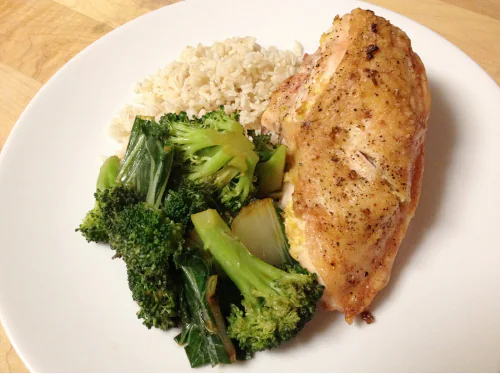
Liquid or solid? A bodybuilder-style post-workout replenishment food meal is completely acceptable and would consist of a portion of protein, a starch carb such as dry rice or potato, and a portion of fibrous vegetable. This combination makes for a perfect recovery meal. You need consider “digestive lead time.” Don’t wait too long to eat a food meal post workout or by the time the nutrients are digested and distributed, the window will have snapped shut.
A liquid post-workout shake is predigested and far less hassle. If a post-workout liquified shake is used, called a “smart bomb,” great care must be taken that the nutrients are potent and pure. Be aware that many commercial post-workout replenishment drinks are loaded with sugar or high-fructose corn syrup. Read labels carefully.
Adjusting Post-Workout Supplementation by Bodyweight
Should post-workout supplementation be adjusted for bodyweight? Absolutely. A 300-pound football player needs substantially more post-workout nourishment than a 100-pound female bodybuilder or gymnast requires. How much post-workout protein and carbohydrate you need depends on how big or small you are and on how hard you train. Rough estimates are difficult because of variances in training intensities, athlete to athlete. Here are some post-workout nutrient goals, rough calculations, minimum amounts, based on bodyweight…
| Bodyweight | Protein | Carbohydrates |
|---|---|---|
| 100 pounds | 15 grams | 15-30 grams |
| 200 pounds | 30 grams | 30-60 grams |
| 300 pounds | 45 grams | 45-70 grams |
Most elite athletes will intake more than listed: these are bare minimum amounts.
Post-Workout Smart Bombing
Post-workout smart bombing: Place a serving or two, or three, of dry protein/carb powder in a Tupperware container with a screw-on top. Throw the container in your gym bag. When the workout is winding down, retrieve the container from the gym bag, walk to the water fountain, fill with cold water and shake to mix and activate. You have created a potent, regenerative shake. Drink it slowly. The shake needs to be sugar free and contain no high fructose corn syrup. Chemicals and impurities can cause blood sugar to act inappropriately.
The Second Recovery Meal
The “second” recovery meal: Most elite bodybuilders and power trainers will consume a liquid recovery shake towards the end of the workout or immediately afterwards. Then, after packing their stuff and driving home, they will eat a food meal. This is known as the second recovery meal. Most athletes swear by this approach: the post-workout smart bomb is battlefield staunching of the trauma. The “real food” meal amps the metabolism and provides the perfect ending to the growth cycle: train the muscle, feed the muscle, rest the muscle, grow the muscle.
Replenish After Cardio?
Replenish after cardio? You sure could. Again, it all depends if the cardio is demanding, intense and body-shattering. A mild jog that is done without breaking a sweat doesn’t require a post-run smart bomb. On the other hand, if you have subjected yourself to a limit-exceeding cardio session and are feeling decimated, why not fire down a power-packed liquid shake and provide a shaky body with a fill-up of quality nutrients? No need to dose as heavy as you would after a weightlifting session, but smart-bombing after killer cardio training makes sense.
For athletes using cardio equipment hard enough to feel shattered, replenishment becomes a practical recovery question. That could mean a brutal session on the Assault Air Bike Classic, a heavy conditioning workout on a commercial curved treadmill, a climbing session on the Spirit Fitness Compact Stair Stepper, or rowing intervals on the Assault Fitness Rower Pro.
Post-Workout Supplements Marty Gallagher Uses
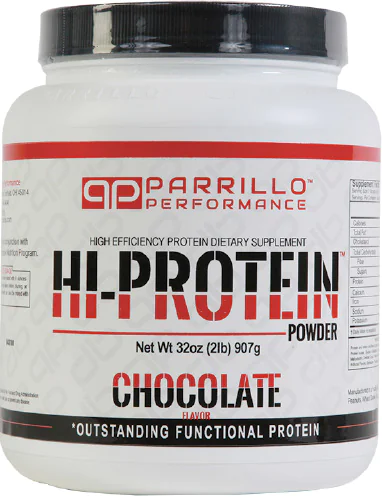
Post-workout supplements I use: I write articles for the Ferrari of nutritional supplement makers, John Parrillo of Parrillo Performance Products. Known for their no compromise quality, I have used several Parrillo products as post-workout replenishment and have for decades….
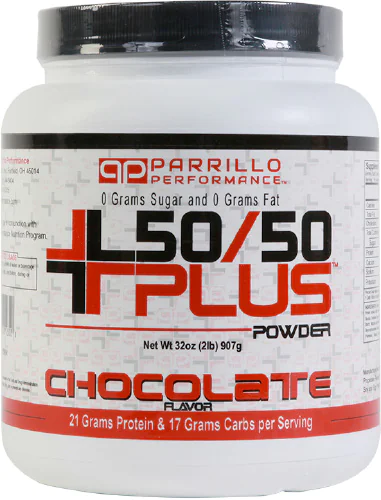
50-50 Plus: A Parrillo powdered supplement designed specifically as a post-workout smart bomb. When activated with cold water, each serving provides 20+ grams of high BV protein and 20+ grams of slow-release carbohydrate. Most large athletes will double the serving size.
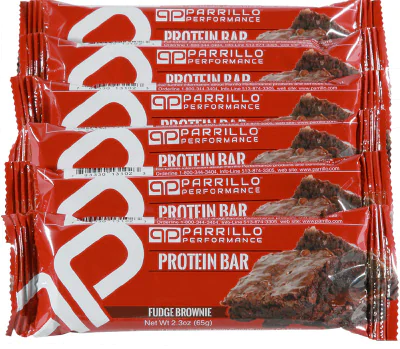
Parrillo Protein bar: A meal in a wrapper, this 66-gram bar delivers 20+ grams of protein and 40 grams of quality carbs. This powerhouse contains 220 calories and eating a single bar makes for a terrific smart bomb. Though I often drink a shake and eat a Parrillo bar.
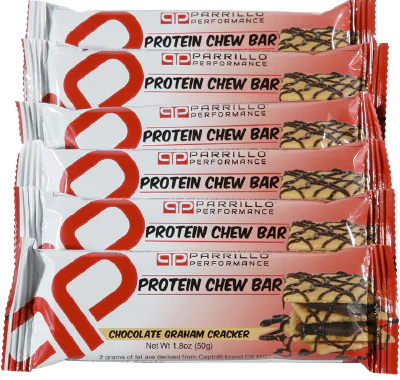
Parrillo Soft Chew bar: Each bar is a powerhouse: 21 grams of protein, 17 grams of fiber carbs, no sugar or HF corn syrup and only 120 calories. Since they are delicious, I eat two bars post-workout.
Tip of the Trade
Tip of the trade: Elite athletes will start consuming their replenishment shake before the end of the workout. Ever notice how the final exercises done at the end of a long tough workout always seem to suffer, in terms of poundage and reps? Some of this is attributable to exhaustion and fatigue and can be partially avoided by ingesting the quality smart bomb 2/3rd of the way through the workout. Don’t wait until the session is done. Start sipping early and avoid end-of-workout energy nosedives.
Equipment Pairings for Hard Training and Recovery
Post-workout replenishment only becomes critical when the training is hard enough to demand it. For home gyms, commercial gyms, school weight rooms, first responder fitness rooms and military training spaces, that hard work might come from barbell work, heavy dumbbell training, kettlebell conditioning or intense cardio sessions. Athletes building a serious training environment can pair nutrition discipline with foundational tools such as premium powder coated kettlebells, urethane Olympic plates with grips, and durable rubber gym flooring.
The right recovery plan does not replace the work. It supports the work. Train the muscle with intent, feed the muscle with useful nutrients, rest the muscle, and repeat the process with enough consistency to grow.
FAQ
What is post-workout replenishment?
Post-workout replenishment is the practice of eating or drinking useful nutrients after a hard training session to support recovery, muscle repair, glycogen replacement and the next workout.
When should I have a post-workout protein shake or recovery meal?
Gallagher’s article emphasizes consuming replenishment immediately after, or even near the end of, a hard workout. He describes a post-workout window of roughly 45-90 minutes after a sufficiently intense free weight session.
Is a protein shake better than solid food after training?
Both can work. A liquid protein shake is faster and easier because it has less digestive lead time, while a solid food recovery meal can provide protein, carbohydrates and vegetables. Many elite athletes use both: a post-workout shake followed later by a real food meal.
Should post-workout nutrition change based on bodyweight?
Yes. A larger athlete generally needs more post-workout protein and carbohydrates than a smaller athlete. Gallagher provides rough minimums based on 100-, 200- and 300-pound bodyweight examples.
Do you need post-workout replenishment after cardio?
It depends on intensity. A mild cardio session may not require a recovery shake, but a hard, body-shattering cardio workout can justify a lighter version of post-workout replenishment.
About the Author
As an athlete Marty Gallagher is a national and world champion in Olympic lifting and powerlifting. He was a world champion team coach in 1991 and coached Black's Gym to five national team titles. He's also coached some of the strongest men on the planet including Kirk Karwoski when he completed his world record 1,003 lb. squat. Today he teaches the US Secret Service and Tier 1 Spec Ops on how to maximize their strength in minimal time. As a writer since 1978 he’s written for Powerlifting USA, Milo, Flex Magazine, Muscle & Fitness, Prime Fitness, Washington Post, Dragon Door and now IRON COMPANY. He’s also the author of numerous books including Purposeful Primitive, Strong Medicine, Ed Coan’s book “Coan, The Man, the Myth, the Method" and numerous others. Read the Marty Gallagher biography here.

Marty Gallagher is a champion strength athlete, coach, author, and RAW Podcast host known for powerlifting, Olympic lifting, and serious strength training.
