
 Call us today at 1-888-758-7527

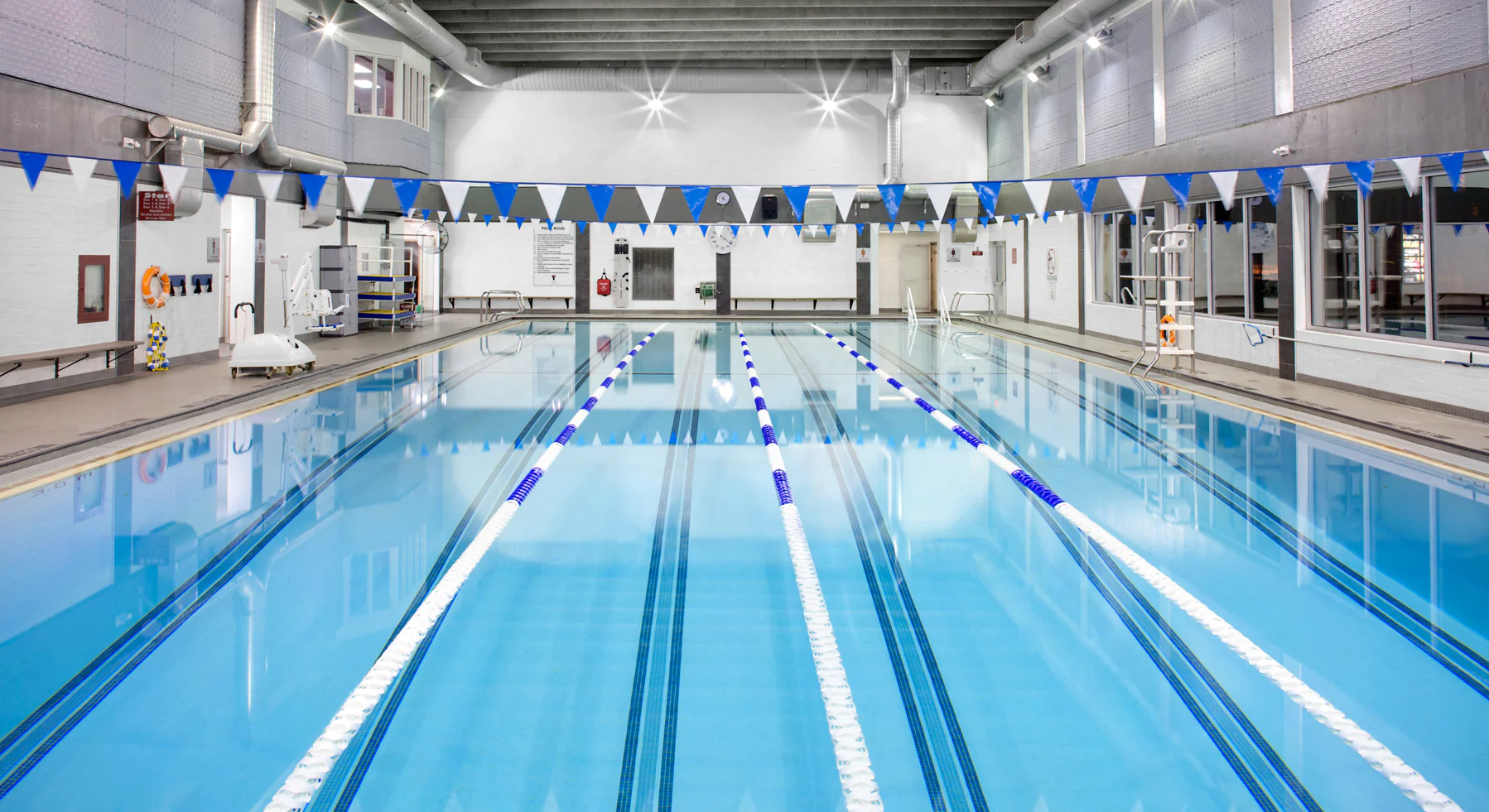
Training Recovery: Water, Heat, and Cardio Therapies
Water - The optimal aerobic mode?
Training recovery is not just sleep, food, and time away from the barbell. Marty Gallagher looks at swimming, sauna, steam, whirlpool, cold exposure, and aerobic work as old-school recovery acceleration therapies that can help a hard-training athlete feel restored after resistance training, explosive strength work, weights, cardio training, or demanding outdoor conditioning. The article keeps Marty’s original surfer mythology, hard-edged sauna stories and practical observations intact while adding context for lifters, athletes, first responders, and military personnel trying to recover intelligently between hard sessions.
The Surfer Mythos
I never learned to swim. Growing up, I never had any consistent access to a pool, stream or river, much less the beach. There were no community pools or YMCA in my neighborhood. Not that I would ever have been a great swimmer; with my short legs, long torso, and explosive strength, I was built for lifting weights, sprinting short distances, wrestling, and contact sports.
The ideal swimmer physique is akin to the ideal basketball or volleyball physique: long arms, long legs with tallness is a definite asset. I most definitely would have taught myself to swim had I had access to a pool. From afar, I had a strong youthful attraction to surfing, surfers, and the beach lifestyle. All brought to me through the excellent music of the day and early surfer magazines. The hot rod and surfer culture were intertwined, and I fantasized about both.
The surfer lifestyle was hugely attractive. The myth was the surfer dude did not work a day job. He lived in a shack on the beach at the Banzai Pipeline. He and the other surf bums surfed monster waves all day, getting great tans and “bleachy, bleachy blond hairdos,” as the Beach Boys related in Surfing USA.
Exhausted from their day of perfect wave riding, they called it a day at 3 pm and took power naps while their cheerleader girlfriends wore bikinis and cooked them steaks over a hardwood fire pit on the beach. Stuffed, revitalized, the blond surfer hodads and their smoking hot babes would walk down the beach 100-yards to the thatched-roofed nightclub.
In my teen surfer dream, the bros drank themselves stupid while Dick Dale wailed away on his Stratocaster playing Surfing Drums and Telstar. The surfers and their girls danced the night away to shimmering arpeggios, max reverb and volume set on 10. They would stumble home, ravish the cheerleaders, pass out in total bliss, wake up the next morning, and repeat it all over. This goes on for the rest of your natural life.
Young Marty bought surfer magazines before he ever saw the ocean. I was also fueled by the Frankie Avalon/Annette Funicello idiot beach movies, culminating in Muscle Beach Party. Elite bodybuilders Larry Scott, Chet Yorton, Steve Merijanin, Bill McArdle, and Chuck D’Amato posed and strutted; the guys that I saw regularly in still photos in Muscle Builder magazine came alive in full color on the giant screen. I was gob smacked.
When Muscle Beach Party played at the local cinema, I walked from my grandmother’s farmette into town five straight days for the 1pm showing of Muscle Beach Party. Seeing that movie fired up my training for the next six months. Also featured in the movie were Don Rickles and Little Stevie Wonder, age 14. I was one month older than Stevie. I still am.
Ironically, a good friend of mine, someone that lived three miles from me, Tommy, had the same surfer dreams. He was my same age and instead of fantasizing about it, Tommy actualized his surfer dreams. He raised a $500 grubstake in 1970 and purchased a one-way ticket to Hawaii. He went to the Banzai Pipeline and, never having surfed, and being monstrous and powerful, got a job as bouncer in a surfer nightclub.
He made friends with all the legends of the Pipeline and they taught him to surf. Tommy became an expert surfer. He eventually came home, but every year he went back to the Pipeline at its most violent, which was when the heavy hitters gathered. He reconnected annually with his surfer bros. The surf bum living in a thatched hut on the beach lay 50-years in the past. I suspect in my next life I will be reincarnated as a surfer God.
Swimming as Exercise and Cardio Training
I have long thought that there is a powerful argument to be made that swimming is the King of all cardio activities. My admiration for swimming as a cardio activity has a multitude of reasons.
- Non-impact activity: when you swim, there is no pounding the pavement or wearing the body parts out with hi-impact repetitive motion aerobic activities. When you ride a stationary bike or pound pavement jogging, all the stress is absorbed by feet, ankles, knees, and hips. Over time, the stresses add up and wear body parts down. Almost every serious cardio activity involves body part stress. Compare this to swimming, where the athlete is suspended in liquid: no impact. This sets swimming apart.
- Bi-limb cardio: generating cardio effort with arms and legs is demonstrably superior to generating the totality of the effort with legs alone. By spreading the effort between arms and legs, a greater total effort can be generated. The effort is spread throughout the body and therefore the effort seems less intense. Swimming coordinates and synchronizes arms and legs to propel oneself through the water. Swimming backwards instantly doubles the exercise possibilities. Quad-limbed cardio trumps bi-limb cardio in every measurable way.
- Self-cooling results in longer sessions: the temperature of water keeps the athlete’s body temperature down during the exercise session. Compare this to the athlete that needs to contend with heat or cold during the training session. Swimming helps the athlete avoid overheating and thereby go further. You do not feel the same sweat buildup while swimming; overheating is less of a problem. Swimming is topnotch cardio exercise, assuming you can swim with enough velocity to make it an exercise. Swim fins can make an inefficient swimmer efficient.
Hydro-Therapy Training Recovery Stimulators
Water and heat are excellent training recovery accelerators. Heat loosens tight muscle while cold dampens inflammation. Elite athletes use both heat and cold to recover and often alternate extreme heat with extreme cold to further amplify training recovery. Here are the most common forms of water and heat therapies.
Sauna
My first water therapy for accelerating training recovery was the sauna. I once belonged to a swank racquet and health club. They had a nice free-weight area, a racquetball court, I play, a clubhouse with a bar and good sandwiches. They also had a blazing hot sauna. Every three minutes we’d throw cold water on the red-hot rocks creating scalding steam. We’d turn ourselves into boiled lobsters. I would take three ice-cold showers in between scald-sessions. I read a Bill Starr column where he explained the sauna strategy: open the pores with dry heat and scalding steam, squeeze the toxins out of the pores with an ice-cold shower that snaps the pores shut. Repeat three times. I always felt this procedure helped tremendously. The sissies stopped us from throwing water on the rocks, it was “dangerous.” Never was the idiot aphorism “no pain, no gain” more appropriate.
Whirlpool
I have had access to seriously good whirlpools at different times in my career. I have always felt a powerful whirlpool accelerated training recovery. Optimally the whirlpool has multiple adjustable jets; aiming a high-pressure stream of blazing hot water onto a just-trained body part, or a sore or injured body part, was a tremendously effective, for me, training recovery accelerator. If I had crushed my lower back, thighs, and hamstrings in a hardcore squat or deadlift session, nothing soothed my blasted back and wobbly legs better than high pressure water directed on the just-trained muscles. The high-pressure stream of hot water had a massage effect, I suspect, and broke up waste products lodged in blasted muscles. The difference in next day soreness when I skipped the whirlpool was profound. If I could maneuver a sore muscle atop a jet vent, I could fall into a trance state as the water did its work. It was most effective when it was just shy of being painful.
Steam
My current mode of water therapy to accelerate training recovery is intense and prolonged steam. The main reason I belong to the local YMCA is they have a small steam room that no one really uses. My usual procedure is to drive to the woods, run the trails and steep grades, break a massive sweat and then exhausted, stop by the Y and undergo three rounds of intense steam. I will also use the steam room if I lift at the Y. I pick weird off times, early in the morning, when no one is there. The small tiled steam room kicks ass: it will par-boil you and send you gasping for the exit, as it did me just today. I take all I can take, maybe 3-5 minutes, then rinse off with an ice-cold shower that I don’t even feel. Then back in the lobster pot for two more “how much can you take” bouts. I try and meditate to be able to last longer as I am being boiled. I always feel great after the last cold shower.
Ice Bath and Cryogenic-Style Cold Exposure
I have never done a formal ice bath. I know many pro athletes swear by them. The science makes sense: after an intense, ball-busting workout or training session, the body is inflamed, true that, and what could be better to counter inflammation than dousing the entire body in ice-cold water? Bye, Bye inflammation. I like the science, but my refrigerator doesn’t hold enough ice cube trays and buying 30-pounds of ice after every training session sounds like a complete pain-in-the-ass. But wait. The techno-geeks have invented a hi-tech ice bath that provides all the results of an ice bath but without the ice. The athlete walks into a booth and somehow the inside the booth is made as cold as an ice bath. Bye Bye inflammation. The problem is this booth costs $100,000. The Russians would replicate all this hi-tech stuff by scalding themselves in the sauna, whipping each other with birch branches, then leaping through a hole in ice. Bye Bye inflammation.
Practical Recovery and Cardio Equipment Notes
This article is not a product review and no piece of equipment replaces food, rest, and intelligent training frequency. Still, the practical lesson is that training recovery often benefits from matching the tool to the goal: low-impact cardio, heat, cold, pressure, mobility work, or simple post-training tissue work.
For indoor cardio training when swimming is unavailable, a facility can compare broader cardio equipment, upright exercise bikes, and a commercial fitness bike such as the CU800 Commercial Upright Fitness Bike. A fitness bike will not duplicate the full-body, non-impact nature of swimming, but it can support controlled aerobic work, cardio training, and lower-impact recovery-day conditioning when it fits the athlete’s plan.
For recovery accessories outside the pool, sauna, or steam room, IRON COMPANY customers can browse non-surgical pain management accessories, the LumaFlex Body Pro red light therapy device, the LumaFlex Essential wearable red light therapy device, and the Aeromat firm round foam roller. Use these tools as part of a larger recovery strategy, not as a substitute for intelligent loading, sleep, nutrition, hydration, and appropriate rest between hard workouts.
Training Recovery FAQ
Why does Marty Gallagher consider swimming such a strong cardio option?
Marty likes swimming because it is non-impact, spreads the effort across the arms and legs, and keeps the athlete cooler than many land-based cardio activities. For hard-training lifters, that combination makes swimming a uniquely useful aerobic option when access and skill allow it.
Is swimming better than a stationary bike for recovery?
Swimming and stationary bike work solve different problems. Swimming is full-body and non-impact, while a stationary bike or fitness bike is accessible, repeatable and easy to control indoors. The better option depends on the athlete, facility, conditioning goal, and recovery status.
How does heat fit into training recovery?
In Marty’s experience, sauna, steam, and hot whirlpool work can help loosen tight muscles and create a powerful sense of post-training restoration. These methods should be used sensibly and matched to the athlete’s health status, hydration, and heat tolerance.
Why do athletes alternate heat and cold?
Many athletes use heat and cold contrast because heat can create relaxation and looseness while cold exposure is often used after hard training to manage soreness and inflammation. Marty’s own examples include sauna followed by cold showers and steam followed by cold rinses.
Does cardio training help recovery?
Cardio training can help recovery when the intensity, duration, and mode are appropriate. Swimming, trail running, upright exercise bikes, and other aerobic modes can support conditioning, but they should not be so hard that they interfere with recovery from heavy weights or explosive strength work.
What equipment can support a training recovery area?
A practical recovery-focused setup may include access to cardio equipment, upright exercise bikes, foam rollers, non-surgical pain management accessories, and other recovery tools. Pools, steam rooms, saunas, and whirlpools are facility-dependent, but the principle is the same: match the recovery method to the athlete and the training stress.
Training Recovery Note
This article is Marty Gallagher’s training recovery commentary, not medical advice. Sauna, steam, whirlpool, cold exposure, swimming, red light therapy, foam rolling, cardio training, and any recovery acceleration method should be matched to the individual’s health status, training load, hydration, heat tolerance, cold tolerance, and medical considerations. Anyone with cardiovascular issues, blood pressure concerns, injury, illness, or uncertainty should consult a qualified professional before using aggressive heat, cold, or recovery therapies.

About the Author
As an athlete Marty Gallagher is a national and world champion in Olympic lifting and powerlifting. He was a world champion team coach in 1991 and coached Black's Gym to five national team titles. He's also coached some of the strongest men on the planet including Kirk Karwoski when he completed his world record 1,003 lb. squat. Today he teaches the US Secret Service and Tier 1 Spec Ops on how to maximize their strength in minimal time. As a writer since 1978 he’s written for Powerlifting USA, Milo, Flex Magazine, Muscle & Fitness, Prime Fitness, Washington Post, Dragon Door and now IRON COMPANY. He’s also the author of numerous books including Purposeful Primitive, Strong Medicine, Ed Coan’s book “Coan, The Man, the Myth, the Method" and numerous others. Read the Marty Gallagher biography here.
Marty Gallagher is a champion strength athlete, coach, author, and RAW Podcast host known for powerlifting, Olympic lifting, and serious strength training.
