
 Call us today at 1-888-758-7527

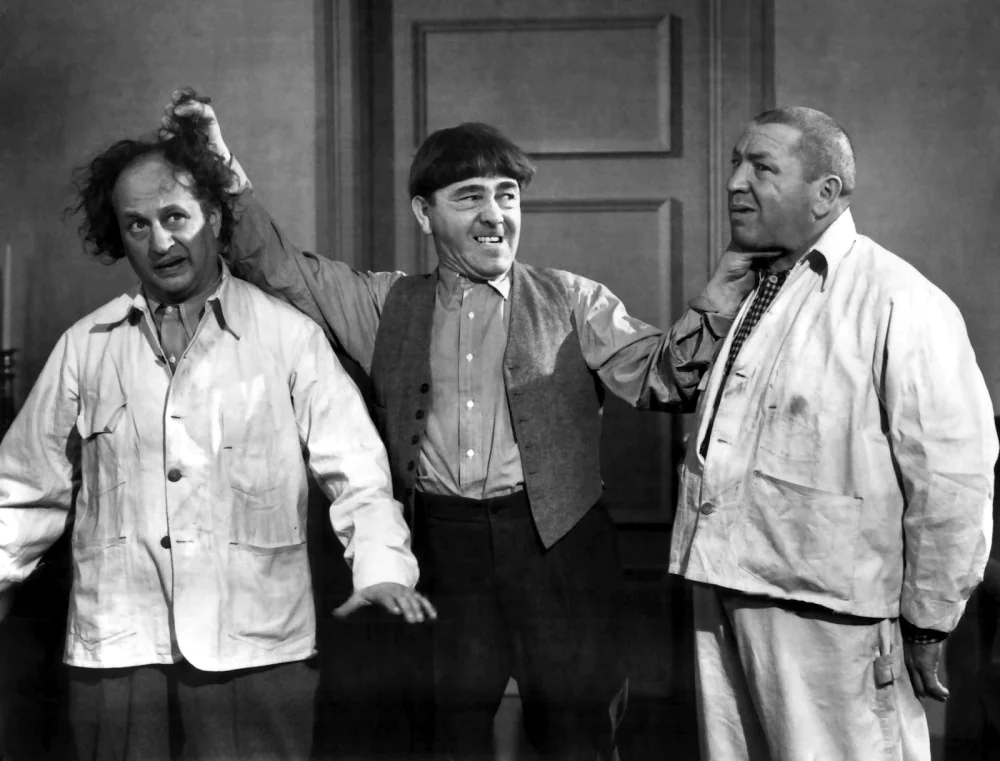
Psyche Enhancement Evolution for Weightlifting
Documenting the Evolution of Psyche Enhancement
Where or when in life are you encouraged to get this out of control? Powerlifting is simplicity personified: short-stroke biomechanical movements that are over in 15 seconds or less. The shortness and one-dimensionality of the exercises lend themselves to insane levels of psyching.
The greatest minds in powerlifting thought, “If more psyche is better, are there psyche enhancement tools and tactics? If a good psyche improves the squat by 20 pounds, does an insane psyche add 50?” The quest for the ultimate psyche became powerlifting’s version of the Manhattan Project.
Competitive powerlifting is unique in a hundred ways. The actual lifts are short-duration events. A single repetition is performed in each of the three competitive lifts: squat, bench press, deadlift. This occurs in front of three judges looking for technical reasons to pass or fail a lift. Three attempts are allowed in each lift, nine total attempts. A competitive powerlift, a single repetition, lasts for between five and fifteen seconds.
From a biomechanical perspective, the lifts themselves are simple to perform compared to, say, a diver performing a Triple Lindy or an Olympic weightlifter performing a full squat snatch.
Why Powerlifting Lends Itself to Crazed Psyching
Because of the simplicity of the lift, because of the shortness of the exertion, powerlifters discovered that they could psyche themselves out of their minds and enhance performance. The crazier the better became the motto of the elite. You cannot get psyched out of your mind if the athletic task is complex. A clean and jerk or a pole vault has too many aspects, too many sequential actions, too many things to think about, to resort to Berserker Psyche.
Powerlifting’s one-dimensionality and shortness lend it to crazed psyching. There cannot be a much simpler athletic task than a deadlift: the barbell is on the floor, stand up with it; and no, you do not have to lift the barbell overhead. The powerlifts are short-stroke compound multi-joint exercises. Powerlifting is lumpen proletariat drag racing, over in less than 12 seconds, while its sister barbell sport, Olympic weightlifting, is akin to Formula 1 Grand Prix racing.
Competitive powerlifting as a formal sport emerged in the 1960s, and almost immediately the advantages of a proper psyche were apparent. That psyching was effective was not even debated by the power elite. The question became: how much psyche is optimal? Psyche tactics evolved from an age of relative innocence until a high-water mark was reached in the 1980s, when psyche techniques became so outrageous that many were deemed dangerous and were ultimately restricted, shunned, or banned. I have seen acts of powerlifting psyche that civilians find unbelievable.
Psyche Enhancement #1 - Ammonia Snappers
Since the 1960s, competitive powerlifters have used ammonia prior to big lifts. Normally used to bring an unconscious person back to consciousness, ammonia was used by lifters to amplify consciousness. Snorting ammonia “clears the head” prior to an important attempt. On a deeper level, snorting ammonia is a chemical face slap.
Snorting ammonia short-circuits conscious thought: whatever thoughts you had been thinking the instant before inhaling the snapper are shattered. Lifters used old-fashioned camera film containers and stuffed crushed ampules inside the plastic container. The lid was replaced, and anytime the lifter wanted a head-clearing jolt, he popped the top and inhaled through the nose.
Lifters quickly learned to close their eyes during the snort as ammonia singes the eyeballs and makes them water uncontrollably. Ammonia inhaling survives to the present day and remains popular in some strength circles. It also needs to be treated with caution. Ammonia is an irritant, not magic, and it is not a treatment for head injury or a substitute for medical judgment.
Psyche Enhancement #2 - Face Slapping
The next rung up the psyche-enhancement ladder was the face slap. Face slapping began appearing in the 1970s. The face slap was initially a light to moderate last-minute cuff to the cheek, or perhaps a hearty back slap.
Powerlifting’s leading thinkers reasoned: if a moderate face slap had moderate psyche effect, would not a herculean face slap elicit herculean results from the lifter? Face slapping became a powerlifting epidemic, a commonplace and expected occurrence at many top-flight competitions.
The rationale was simple: if someone slaps your face really hard, anger and retaliation are the natural reaction of many a self-respecting macho American elite powerlifter. Violent emotions were purposefully spawned by having a training partner slap you across the face, hard as hell. Feel the pain. That pain triggered an adrenaline-fueled anger burst. Instead of turning that rage toward the face-slapping training partner, the lifter redirected the rage toward the barbell. Genius. Plus, in that old-school context, it actually worked often enough that lifters kept doing it.
The psyche leaders combined the ammonia snort with the face slap to attain new levels of psyche. Psyche was about to graduate to Psyche-O.
Psyche Enhancement #3 - Face Slapping Amplified
The most sophisticated face-slapping I ever saw was when monstrous Dave Colangelo, one of the few men to ever beat Doug Furnas, appeared at a bench press competition held in Ocean City, Maryland in July of 1982. This was the annual Best Bench on the Beach competition. Dave weighed 270 pounds standing 6-foot. He was benching around 600 pounds raw and had with him a posse of neophytes that trained with him in Virginia Beach.
Before his final bench press, he had eight of his guys line up, one next to the other, turned sideways. Dave roared past as each neophyte in turn slapped Dave’s face with all the violence their 15-inch arms could muster. It was a gauntlet of face slaps.
After seven guys slapped Colangelo’s face raw, the eighth guy, the head neophyte, cracked Dave a little too hard. This enraged the already enraged Colangelo, who swatted the kid like a pissed-off grizzly bear. The kid went hurtling backward, tripping over a weight bench and cracking his head on the concrete. Neither Dave nor his crew paid much attention to their fallen comrade. Dave roared out to bench press 575 and win the competition.
Was it crazy? Yes. Did it belong to a specific era of powerlifting? Absolutely.
Psyche Enhancement #4 - The Board Era
Beyond face slapping came the legendary cry: “Git the board, he needs the board!”
The next iteration of psyche enhancement involved lumber. The powerlifting thought leaders decided that the next advancement in psyche required more than ammonia, more than a face slap, more than a gauntlet of face slaps. The next breakthrough required a tool, a device.
A short length of 2x4 became the device. The blow delivered a loud CRACK. It was all quite dramatic and strange. There was a group of powerlifters from Baltimore led by a hard-ass longshoreman named Popeye. This crew took board psyching so seriously that their 2x4 had its own gym bag. When Popeye sensed one of his lifters was failing or fading, he would growl, “Git the BOARD! He needs the BOARD!”
Popeye once knocked one of his lifters unconscious before a second-attempt deadlift at the Junior Nationals. He looked up from his unconscious lifter and yelled at the officials, “He’ll pass this attempt!” Eventually the board was banned. I thought the board ritual unintentionally mimicked ancient martial theater and ritualized warrior ordeal. I saw fascinating parallels. No one else did.
Psyche Enhancement #5 - Blood on the Platform
Elite lifters were flummoxed. With the board banned, what could be used to duplicate the psyche-on-steroids effect of the expert use of the board? The innovative thought leaders came up with, arguably, the ultimate psyche-up procedure: blood on the platform.
I do not know what lifter invented it, but I know who perfected it: Florida powerlifting immortal Willie Bell. Willie was formidable: 5-foot-10, a ripped 245 pounds, with huge squat, bench, and deadlift numbers. Before a big squat attempt, Willie would stride out, eyes bugging, grab the squat bar with both hands and head-butt the center knurling. In the next instant he would dip under the squat bar and break from the racks.
Bell’s incredible theatrics set off a wave of imitators. Some broke the skin on their forehead when they head-butted the barbell, causing blood to run down their face during the attempt. They thought this was exceedingly cool. Meet officials and rule makers were less amused. The head butt was eventually banned or driven out by rule, safety, common sense, and the realization that bleeding on a shared barbell is not a mark of civilization.
The Future of Power Psyching
Modern psyching seems in the doldrums compared to the avalanche of innovative psyche tactics of yesteryear. The modern psyche-ee seems restrained, demure, mild, when compared to Doug Borden getting knocked unconscious in another board incident, or the awe-inspiring blood-covered face of Luke Iams on the cover of Powerlifting USA as he squats 900, this after head-butting the barbell.
By the year 2020, I had expected to see fire and flames introduced into psyche. Flame and fire seemed the logical, perhaps final, insane stop on the psyche-O route. No thanks. The old pre-lift psyche procedures of the past, sans flames, are already unsurpassable. The smart modern lifter should look to a safer future: focus, ritual, music, breathing, precise cues, legal ammonia use where allowed, technical setup, and a psyche level that intensifies the lift without destroying the lifter.
The correct lesson is not that old lifters were sane. They were not. The correct lesson is that powerlifting is so short and so simple that the mind can become a weapon. Used correctly, psyche sharpens. Used stupidly, psyche becomes noise, chaos, injury and comedy.
Equipment Notes for Serious Barbell Psyching
Psyching helps only if the lifter has done the work. The serious powerlifter still needs the basics: a dependable bar, secure plates, a stable bench, a rack or platform, and enough discipline to respect the attempt.
For barbell-centered strength training, lifters and facilities can compare barbells, Olympic weightlifting bars, weight plates, dumbbells, and Smith machines.
Specific equipment options such as the IRON COMPANY urethane barbell set, Body-Solid chrome Olympic weightlifting bar, Troy interlocking urethane grip plates, Intek D2 Series stainless steel dumbbells, and the Body-Solid Series 7 Smith Machine package may support serious training when matched to the lifter, room, load, and intended use.
The equipment does not create psyche. The lifter does. The equipment merely gives that psyche a safer place to be expressed.
Safety Note for Psyching Up, Ammonia, and Maximal Attempts
This article documents old powerlifting history and Marty Gallagher’s RAW perspective. It is not a recommendation to strike lifters, head-butt barbells, use boards, draw blood, ignore concussion symptoms, or copy dangerous platform rituals.
Ammonia and smelling salts can irritate the eyes, nose, throat, and airways. They are not a treatment for concussion, fainting, head trauma, or medical distress. Competition rules vary, and many federations restrict where ammonia may be used. Know the rulebook before competing.
Maximal squats, bench presses and deadlifts require proper warm-ups, technically sound attempts, suitable bars and plates, competent spotters, appropriate safeties, a stable bench or rack, and the discipline to stop when psyching up becomes reckless noise. Stop for dizziness, confusion, head impact, bleeding, chest pain, unusual shortness of breath, loss of technique, or any sign that the lifter is no longer in control.
This article is not individualized medical, rehabilitation, legal, competition-rules, or programming advice.
Related Psyche and Weightlifting Reading
For a companion article on psyching versus going psycho, read Weightlifting Psyching or Psycho?. For a safer profile of individual elite psyche styles, read Elite Gym Psych Masters: Weightlifting Psyche.
RAW with Marty Gallagher, J.P. Brice, and Jim Steel Podcast.
About the Author: Marty Gallagher
As an athlete Marty Gallagher is a national and world champion in Olympic lifting and powerlifting. He was a world champion team coach in 1991 and coached Black's Gym to five national team titles. He's also coached some of the strongest men on the planet including Kirk Karwoski when he completed his world record 1,003 lb. squat. Today he teaches the US Secret Service and Tier 1 Spec Ops on how to maximize their strength in minimal time. As a writer since 1978 he’s written for Powerlifting USA, Milo, Flex Magazine, Muscle & Fitness, Prime Fitness, Washington Post, Dragon Door and now IRON COMPANY. He’s also the author of multiple books including Purposeful Primitive, Strong Medicine, Ed Coan’s book Coan, The Man, the Myth, the Method and numerous others. Read the Marty Gallagher biography here.
Marty Gallagher is a champion strength athlete, coach, author, and RAW Podcast host known for powerlifting, Olympic lifting, and serious strength training.
