
 Call us today at 1-888-758-7527

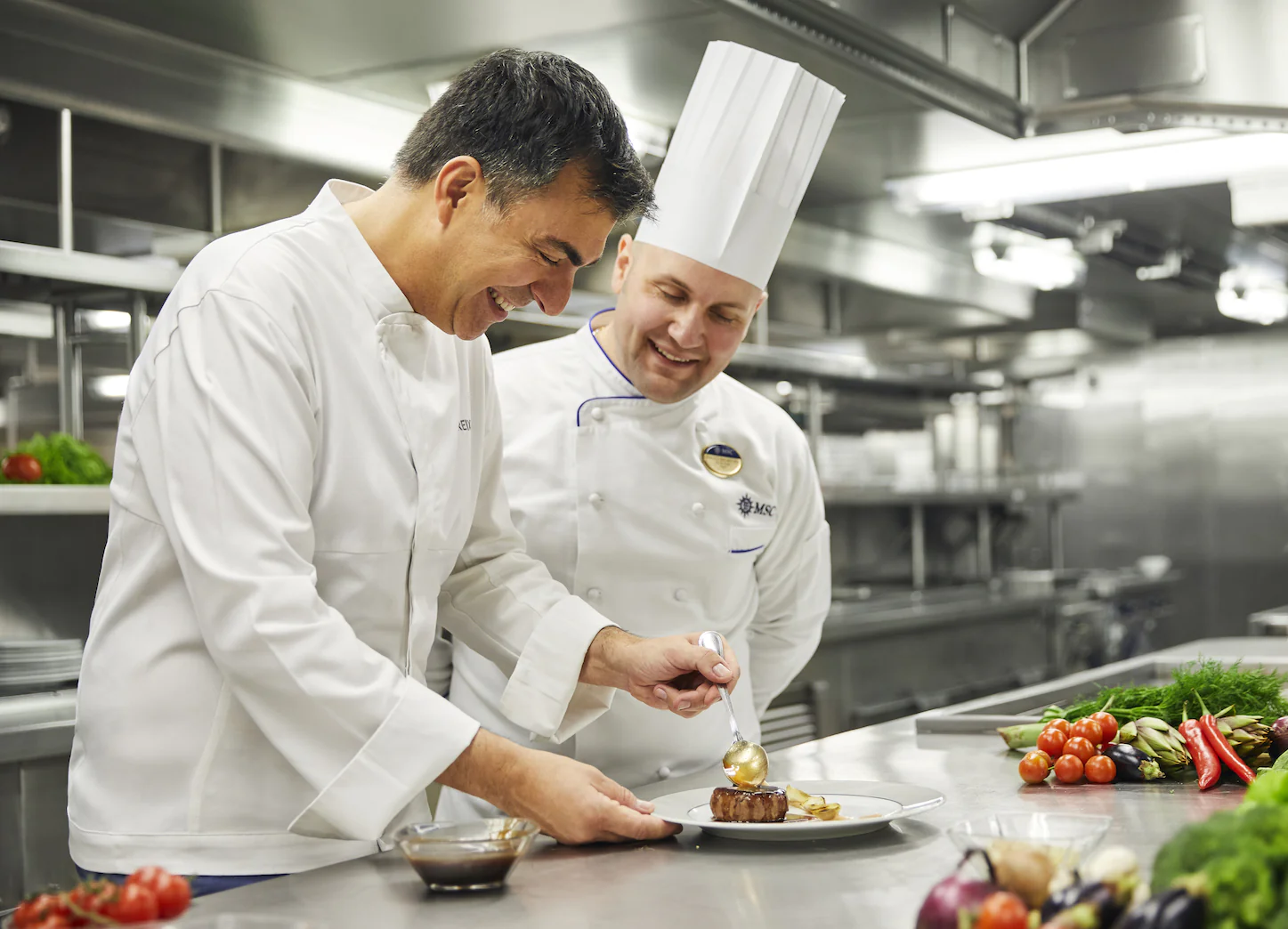
What Elite Chefs Can Teach Athletes About Nutrition
This essay from Marty Gallagher argues that elite chefs and serious athletes often chase the same thing from different directions: potent food. For powerlifters, bodybuilders, weightlifters, athletes, first responders, military personnel, and serious fitness enthusiasts, the lesson still holds: healthy eating becomes easier and more effective when nutrition is built around flavorful, nutrient-dense foods that support hard training, lower body fat, and better recovery.
What Elite Chefs Can Teach Athletes About Nutrition
Potency equates to taste: put flavor into diet food and dieting ceases to be a chore.
Nutrition note: This article reflects Marty Gallagher’s opinionated old-school nutrition philosophy. It is not individualized medical advice, and readers with diabetes, metabolic disease, medication concerns, or other medical conditions should use appropriate professional guidance before making major dietary changes.
When it comes to achieving a radical physical transformation, food can be the transformative acolyte’s best friend or worst enemy. The subject of nutrition is a philosophic minefield. Passions run high. Opinions and viewpoints, insofar as food strategies are concerned, are as rabid and dogmatic and unbending as those expressed by fundamentalist preachers. Every strategy has a champion and the fashionable thing is to bash opposing viewpoints. Everyone has their very own “settled science” to call upon to back up their unquestionable contentions. I would suggest that we look at food-fuel with a fresh perspective. To wit…
- Anything eaten or drunk that is not protein, fibrous carbohydrate or fat is, in this framing, undigested sugar.
- Sugar spikes insulin; there can be no fat burning if insulin is present in the bloodstream.
- When healthy and normalized, the body routinely clears moderate amounts of insulin.
- Overwhelm the body with sugar-producing foodstuffs and clog insulin receptor sites.
Why Insulin Matters in This Nutrition Philosophy
If the bloodstream is insulin-free, an intense exercise session forces the body to burn stored body fat as fuel. Based on this knowledge, the smart diet plan, one designed to promote fat loss, should be overwhelmingly comprised of nutrients — protein, fiber, and fat — that do not spike insulin.
Instead, mainstream dietary “experts” routinely recommend diets comprised almost entirely of insulin-spiking foods. The insulin question is ignored. Carbs of all type and kind are allowed, recommended and lauded as “healthy.” Lite and low-fat are magical terms used to describe artificial fake foods loaded with sugar and trans-fats that spike insulin through the roof yet are pimped as diet foods.
For decades, dietary saturated fat was demonized, blamed for heart attacks and obesity. Fat does not spike insulin and the horrors assigned to fat consumption have been debunked. Anyone that pointed out the inconvenient fact that the orthodox low-calorie, lite, low-fat, carb-centric diet strategy was not working was branded a heretic.
Intense exercise is critical for fat loss. Truly intense resistance training and truly intense cardio jack up the metabolism in real time and the metabolism, the rate at which we burn calories at rest, stays amped up for hours after the session. Moderate intensity exercise is insufficiently intense to trigger hypertrophy or burn fat. Limit-equaling or limit-exceeding exercise efforts are required to optimize fat loss. Want to lose body fat? Clear the insulin and, while insulin free, train your ass off.
Optimal Potency Begets Optimal Taste
It just so happens that the most nutritionally potent produce and proteins are also the most flavorful. There is an irrefutable relationship between food flavor and food potency. For those serious about building muscle and reducing body fat, nutrient potency is critical. Not all nutrients are created equal.
Agri-business and industrial food conglomerates crank out anemic proteins and produce. These industrial giants mass-produce foods created in vats, doused in chemicals, denuded, pale and diluted. Industrial foods are impotent to begin with, then shipped thousands of miles before being placed on shelves for who knows how long before being bought and finally eaten. The longer the time between harvest and consumption, the greater the degradation in potency and taste.
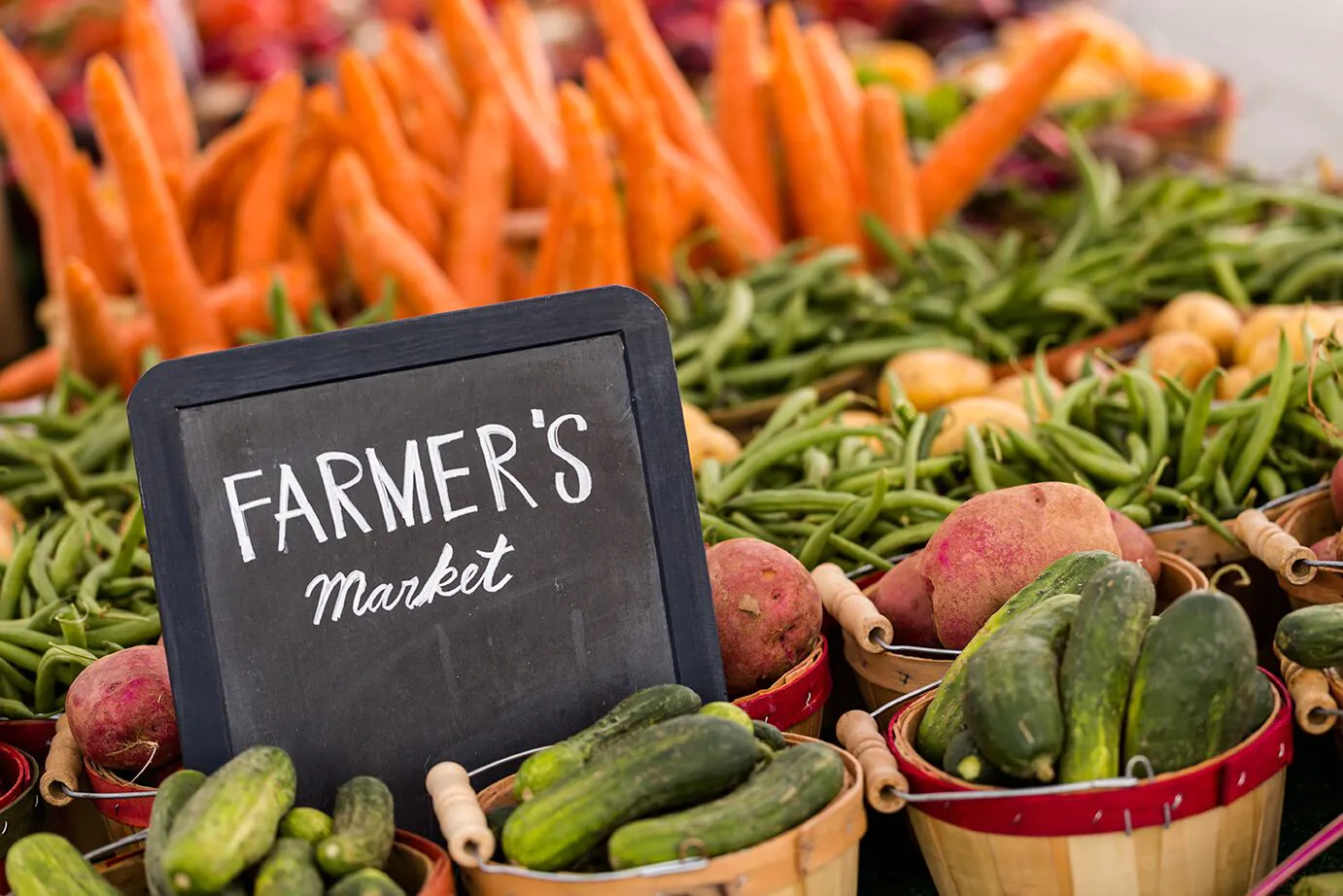
Maximally potent foods are locally sourced, seasonally appropriate and nutrient-dense. Organic foodstuffs are potent and therefore maximally tasty. There is a huge difference in the potency derived from a carrot pulled from local soil on Friday, sold at the farmer’s market on Saturday and sautéed perfectly on Sunday night. That carrot will be maximally taste-infused and maximally potent.
Compare the organic freshness of a just-picked local carrot to the pale taste of a carrot picked two weeks ago, shipped to your supermarket from a California agri-conglomerate farm after being saturated in pesticides. Chain supermarket foods are anemic compared to locally sourced, seasonally appropriate produce and proteins.
Why Elite Chefs and Elite Athletes Want the Same Foods
Source local proteins from butcher shops and farmer’s markets. Obtain produce from farmer’s markets. The locals are usually cheaper than supermarkets. Fresh vegetables can be had year-round: root vegetables are consumed in the deepest winter. Produce is at its most flavorful and potent in direct relationship to the nearness of when it was picked.
Quality fats are obtained from organic animals and from wild fish and shellfish. Organic saturated fat is maximally dense, 9 calories per gram, compared to 4 calories per gram for protein and carbohydrate. Organic fat does not spike insulin. Food taste and food potency are always synonymous: potency and taste are naturally intertwined. Because of the taste-potency connection, elite athletes and elite chefs seek the same foods for different reasons.
Athletes seek maximal potency. Chefs seek amplified taste. Both maximal potency and amplified taste are found in the freshest, finest, locally sourced, seasonally appropriate foods.
With the advent of the Food Network, the average person now has access to how the best chefs prepare ultra-potent, ultra-tasty organic foods using simple methods. Use the Food Network and YouTube to learn the best preparation tactics. Learn how to roast a chicken or grill a steak. Learn how to prepare fresh vegetables and learn how to make simple roasts and soups. The combination of quality foodstuffs and expert preparation will optimize the results you are obtaining from nutrition.
How to Build a Better Diet Around Flavor and Performance
Center transformative nutrition around foods that do not spike insulin. Load up on quality protein and fiber. Consume healthy fats and eat to your level of activity. Powerhouse foods that do not spike insulin can and should be consumed in goodly amounts.
Let us rip a page from the cookbooks of elite chefs and seek the same maximally flavorful, natural, organic ingredients; make food quality paramount. Limit insulin spikes yet still eat amply, wonderfully prepared, maximally flavorful proteins, fat and fiber — some starch carbs, but natural starch carbs, and never in overwhelming amounts.
There is an old adage, “If a tree falls in the woods and if there is no one there to hear it, does the tree make a sound?” Let us paraphrase that into, “If diet foods are somehow made to taste delicious, is dieting still dieting?” Obtain the best. Prepare it perfectly.
Equipment Pairings for the Training Side of the Plan
This article is about nutrition, but it assumes the athlete is also training hard enough for food quality to matter. For the strength side, that may mean a home setup built around home gyms, functional training equipment, selectorized gym equipment, or plate-loaded leverage gym equipment when space, convenience and consistency matter.
For the cardio side, readers who want repeatable, high-output work can use treadmills, exercise bikes, or stairclimbers. Equipment does not replace discipline, but it can make the exercise side of a nutrition plan easier to repeat week after week.
FAQ
What can elite chefs teach athletes about nutrition?
Gallagher’s point is that elite chefs and elite athletes both benefit from potent, flavorful, high-quality ingredients. Chefs chase taste, athletes chase performance, but both outcomes improve when the food is fresh, nutrient-dense and prepared well.
Why does this article focus so much on insulin and carbohydrates?
This article is built around Gallagher’s belief that insulin control plays a central role in body-fat reduction. In his framework, too much sugar and too many carbohydrates make it harder to burn body fat efficiently.
Does healthy eating have to taste bland?
No. One of the article’s core ideas is that potent food tastes better. Gallagher argues that dieting becomes easier when the food is built from fresh proteins, vegetables and fats that actually have flavor.
What foods does this nutrition approach prioritize?
The article prioritizes protein, fibrous carbohydrates and fats, especially when they are locally sourced, seasonally appropriate and nutrient-dense. It takes a dim view of processed, low-fat, sugar-heavy “diet foods.”
How does training connect to this nutrition strategy?
Gallagher ties the diet directly to hard exercise. His view is that intense resistance training and intense cardio work amplify the body-composition results of a disciplined nutrition plan built around better food quality and tighter insulin control.
About the Author
As an athlete Marty Gallagher is a national and world champion in Olympic lifting and powerlifting. He was a world champion team coach in 1991 and coached Black's Gym to five national team titles. He's also coached some of the strongest men on the planet including Kirk Karwoski when he completed his world record 1,003 lb. squat. Today he teaches the US Secret Service and Tier 1 Spec Ops on how to maximize their strength in minimal time. As a writer since 1978 he’s written for Powerlifting USA, Milo, Flex Magazine, Muscle & Fitness, Prime Fitness, Washington Post, Dragon Door and now IRON COMPANY. He’s also the author of numerous books including Purposeful Primitive, Strong Medicine, Ed Coan’s book “Coan, The Man, the Myth, the Method" and numerous others. Read the Marty Gallagher biography here.

Marty Gallagher is a champion strength athlete, coach, author, and RAW Podcast host known for powerlifting, Olympic lifting, and serious strength training.
