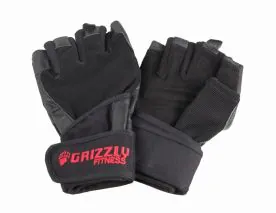
Weightlifting Gloves for Strength Training, Cross-Training, and Facility Use
Weightlifting gloves create a fitted layer between the hands and barbells, dumbbells, kettlebells, cable handles, and other training implements. Compare fingerless padded gloves, 3/4-finger gloves, wrist-wrap styles, gel-palm designs, grip pads, and suede leather palm protectors for home, commercial, school, institutional, and government fitness programs. Start with hand measurements, then choose coverage, padding, material, closure, care requirements, and the amount of direct bar feel you prefer.
IRON COMPANY has supplied gym equipment, accessories, and flooring solutions since 1997. Buyers can shop individual product pages, request a quote, or contact Customer Care for help comparing sizes, product formats, current availability, and order requirements.
How to Choose Weightlifting Gloves
Fit comes first. Use the measuring method and size chart published for the exact glove rather than relying on a winter-glove or general apparel size. The glove should remain secure when the hand closes around a handle without excessive palm bunching, seam strain, or loose material at the finger openings.
- Hand coverage: Minimalist grips cover selected palm areas, fingerless gloves add broader palm coverage while leaving the fingertips exposed, and 3/4-finger styles extend farther along the fingers.
- Padding and bar feel: Compare gel or padded palms with thinner leather or grip-pad designs. More cushioning changes how the handle feels in the hand, so select the amount that matches your comfort and control preferences.
- Wrist closure: Standard closures prioritize quick on-and-off use, while integrated wrist wraps add an adjustable layer around the wrist. Confirm that the wrap does not interfere with the wrist position required by your lifts.
- Material and ventilation: The visible assortment includes suede leather, synthetic leather, mesh, terry cloth, gel padding, and rubberized palm surfaces. Review the exact material list because feel, drying time, and approved cleaning methods differ by product.
- Training application: Barbell work, dumbbell training, kettlebells, pull-ups, cable exercises, circuit training, and cycling can place pressure on different areas of the hand. Choose coverage around the contact points created by the exercises you perform most often.
- Care requirements: Do not assume every workout glove is machine washable. Follow the manufacturer instructions for washing, drying, leather care, and approved cleaning products.
- Package quantity: Confirm whether the listing includes a pair, a single glove, grip pads, or palm protectors before ordering multiple sizes for a team or facility.
Shop Weightlifting Gloves by Fit Category
Best fit: Shoppers comparing the sizes, materials, finger lengths, padding layouts, and wrist-wrap options grouped in the men's glove assortment.
Buyer guidance: Treat the category label as a navigation aid, not a fit guarantee. Check the exact hand-measurement instructions and available size range on each product page.
Best fit: Shoppers comparing glove models and size options merchandised for women, including gel-padded and 3/4-finger styles.
Buyer guidance: Product dimensions and hand measurements should control the decision. Compare palm fit, finger openings, closure placement, color availability, and care instructions for the exact model.
Compare Weightlifting Glove and Hand-Protection Styles
Minimalist Palm Protectors
Choose this when: You want targeted palm coverage with less material around the fingers and back of the hand.
Buyer guidance: Verify finger-hole sizing, wrist-strap placement, leather or fabric thickness, and whether the covered area matches the contact points created by pull-ups, barbells, kettlebells, or suspension handles.
Fingerless and Half-Finger Gloves
Choose this when: You want broad palm coverage while keeping the fingertips exposed for equipment adjustments, phone or console use, and direct contact with smaller controls.
Buyer guidance: Check where each finger opening ends when the hand closes. The edge should not sit directly on a pressure point created by the bar or handle.
Three-Quarter-Finger Gloves
Choose this when: You prefer additional finger coverage beyond a conventional fingerless glove.
Buyer guidance: Compare the extra coverage with ventilation, dexterity, and access to touchscreens or small equipment controls. Precise sizing matters because excess material can bunch when gripping a bar.
Gloves with Integrated Wrist Wraps
Choose this when: You want palm coverage and an adjustable wrap around the wrist in one accessory.
Buyer guidance: Wrap length, closure location, and tightness can affect wrist mobility. Integrated wraps are not a substitute for proper technique, appropriate loading, or individualized medical guidance.
Gel-Padded and Rubberized Palm Gloves
Choose this when: You want cushioning and a textured palm interface for dumbbells, barbells, machines, or general gym training.
Buyer guidance: Compare pad location and thickness rather than relying on the word “gel” alone. A heavily padded palm may feel different on a sharply knurled bar than on a smooth cable handle or coated dumbbell.
Grip Pads
Choose this when: You want a compact alternative to a full glove that can be positioned between the palm and the handle.
Buyer guidance: Grip pads do not provide the same finger, hand-back, or wrist coverage as a glove. Confirm the intended exercise, size, surface, and package quantity.
Weightlifting Gloves, Straps, Chalk, or Bare-Hand Training?
These options address different preferences and should not be treated as interchangeable. Weightlifting gloves and palm protectors change the contact layer between the hand and the implement. Weightlifting straps and wrist wraps provide different forms of assistance or wrist coverage, depending on the product. Gym chalk and chalk bowls address moisture at the hand-to-handle interface but may be restricted by facility policy.
Bare-hand training preserves direct contact with the bar and eliminates glove care, but it does not provide a material barrier over the palm. Some lifters use different options for different exercises. Review facility rules and choose the product that matches the movement, hand-coverage preference, and maintenance routine.
Match Weightlifting Gloves to the Training Application
Barbell and Dumbbell Training
Compare palm padding, finger length, and closure placement against the knurling and handle diameter used most often. A glove that feels comfortable on a dumbbell may feel different on an Olympic bar, fixed barbell, or specialty handle.
Kettlebells, Pull-Ups, and Functional Training
Repeated handle rotation and transitions can shift pressure across the palm and fingers. Minimalist grips or flexible fingerless gloves may suit buyers who want coverage without a large wrist wrap, while other users may prefer more padding or longer finger coverage.
Pressing Movements
Integrated wrist-wrap gloves combine hand coverage with an adjustable wrap. Confirm that the wrap permits the wrist position required for bench presses, overhead presses, push-ups, and machine pressing, and avoid treating the accessory as a guarantee against pain or injury.
Cross-Training and Circuit Workouts
Prioritize secure fit, ventilation, easy removal, and compatibility with the mix of bars, dumbbells, kettlebells, pull-up handles, ropes, bikes, and equipment controls used in the session.
Shared Commercial, School, and Institutional Facilities
Individually assigned gloves are easier to size, label, clean, and inspect than a one-size communal supply. Facility buyers should plan the size distribution, storage and drying method, replacement process, and staff responsibility for following each manufacturer's care instructions.
Best Fit and Not Ideal For
Weightlifting Gloves Are a Strong Fit For
- Lifters who prefer a material layer between the palm and training handles.
- Buyers who want optional palm padding, longer finger coverage, or an integrated wrist wrap.
- Training programs that use several implement types and need a portable hand-protection accessory.
- Facilities prepared to issue correct sizes and maintain a cleaning, drying, inspection, and replacement routine.
Weightlifting Gloves May Not Be the Right Choice For
- Lifters who prioritize direct skin-to-bar feedback and do not want padding or material between the hand and handle.
- Buyers who cannot verify the correct size or who need a glove outside the published size range.
- Anyone expecting gloves to build physiological grip strength, correct lifting technique, or replace exercise-specific straps.
- Shared facilities without a practical plan for individual fit, cleaning, drying, and damaged-item removal.
Common Weightlifting Glove Buying Mistakes to Avoid
- Guessing the size: Use the product-specific chart and measuring instructions. A familiar apparel size may not translate to a lifting glove.
- Assuming men's or women's labeling determines fit: The actual hand measurement, finger length, palm shape, and closure position matter more than the category name.
- Ignoring bunching when the hand closes: Evaluate the glove in a gripping position. Loose palm material can create folds, while an undersized glove can overstress seams and finger openings.
- Choosing padding without considering bar feel: Thick gel or foam may increase cushioning but also changes handle diameter and tactile feedback.
- Buying the wrong finger length: Match the covered area to where the bar, handle, or pull-up grip contacts the fingers during your primary exercises.
- Treating an integrated wrap as medical support: A wrist-wrap glove adds adjustable coverage but does not diagnose, treat, or prevent an injury.
- Assuming every glove is washable the same way: Suede leather, synthetic leather, mesh, rubberized surfaces, and hook-and-loop closures may require different care.
- Leaving damp gloves compressed in a gym bag: Follow the approved drying and storage instructions before the next use.
- Using unapproved cleaners or heat: Cleaning chemicals, washing cycles, and dryers can affect materials and closures. Use only the care method published for the exact product.
- Overlooking availability, pair count, and return terms: Confirm the selected size and color are available, the package includes what you expect, and the current return or exchange policy works for the order.
- Assuming one warranty covers every setting: Warranty length, defects covered, and residential or facility-use limitations vary by manufacturer and model.
Weightlifting Glove Planning for Shared Facilities and Team Orders
Start with a user-size survey rather than ordering equal quantities of every size. Record the brand, model, size, color, issue date, and assigned user when gloves are purchased for a team, department, or facility. Confirm whether each SKU is sold as a pair and whether replacement units must match an existing issue standard.
Create a storage area that allows gloves to dry in the manner approved by the manufacturer. Inspect finger openings, palm surfaces, seams, straps, and hook-and-loop closures at regular intervals. Remove gloves from service when tears, loose components, or failed closures prevent the product from fitting or functioning as intended.
Do not apply a universal sanitation method to every glove. Use the care directions for the exact material and model, and do not describe a glove as antimicrobial, disinfectable, machine washable, or suitable for shared use unless the product documentation supports that claim.
Featured Weightlifting Glove and Palm-Protection Options
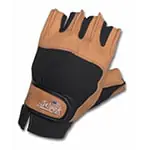
These suede leather palm protectors use two finger holes, a nylon wrist strap, and a hook-and-loop closure. The product is offered in multiple sizes and colors for buyers who prefer targeted palm coverage instead of a conventional glove.
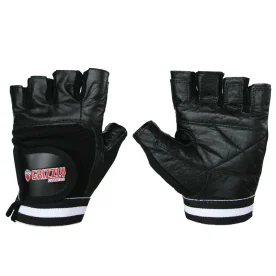
The Schiek 510 combines a fingerless layout, gel padding, a mesh back, easy-off fins, and terry cloth on the thumb and index-finger area. The product page lists sizes from XS through XXXL and identifies the fabric as washable.
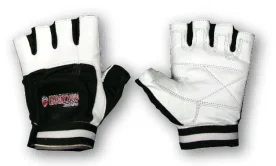
The Schiek 530 uses synthetic leather, a 3/4-finger design, gel padding, a rubberized palm, and easy-off fins. Compare its added finger coverage with the shorter fingerless options in this category.
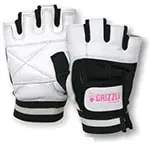
The Schiek 520 is listed in multiple women's sizes and black or pink options. Its product page identifies gel padding, easy-off fins, a rubberized palm, and washable materials.
Product names, sizes, colors, materials, availability, care instructions, warranties, shipping terms, and included quantities can change. Review the current product page before ordering.
Government and Institutional Purchasing
IRON COMPANY holds GSA contract 47QSMA22D08NN. Contract status does not establish that every weightlifting glove or palm-protection SKU is available through GSA or meets a specific solicitation requirement. Verify product-level contract eligibility, country of origin, current pricing, ordering method, shipping, and any applicable TAA, Buy American, Berry Amendment, or agency-specific requirements before ordering.
Review GSA and government purchasing information or contact IRON COMPANY for a current product-level quote and supporting documentation.
Common Questions About Weightlifting Gloves
Do weightlifting gloves improve grip strength?
Gloves do not build grip strength by themselves. They change the contact surface between the hand and the implement and may alter comfort or control. Grip-strength development still depends on training, while lifting straps and hooks provide different forms of assistance for selected pulling exercises.
Can weightlifting gloves prevent calluses or blisters?
A correctly fitted glove can place a material layer over common friction areas, but no glove can guarantee that calluses, blisters, or skin irritation will not occur. Fit, seam location, moisture, training volume, handle texture, and product condition all affect the result.
How should weightlifting gloves fit?
Follow the exact brand's measuring instructions. The glove should remain secure when the hand opens and closes, with no excessive palm folds, painful seam pressure, loose fingertips, or closure interference. Try the gripping position rather than judging fit with a flat hand alone.
What is the difference between fingerless and 3/4-finger gloves?
Fingerless gloves leave more of each finger exposed, while 3/4-finger gloves extend coverage farther toward the fingertips. Compare the location of your pressure points with the need for ventilation, dexterity, and access to small controls.
Are gloves with wrist wraps better for pressing?
Integrated wraps add adjustable material around the wrist and may suit users who prefer that feel during presses. They can also reduce wrist freedom for movements that require more mobility. They are not medical devices or a substitute for technique and appropriate loading.
Can weightlifting gloves be machine washed?
Only wash a glove by machine when the product instructions permit it. Some synthetic models in this category are identified as washable, while suede leather and other materials may require different care. Follow the published washing and drying instructions for the exact model.
Are weightlifting gloves better than lifting straps?
They serve different purposes. Gloves cover portions of the hand and may add padding or a wrist wrap. Lifting straps change the connection between the hand and a bar or handle during selected pulling movements. Some users choose one, both, or neither depending on the exercise.
Should I choose men's or women's weightlifting gloves?
Use the category that helps narrow the assortment, then select by the actual size chart and fit. Hand dimensions vary, and the label alone does not determine which model will fit correctly.
How should a facility manage shared weightlifting gloves?
Consider individually assigned gloves with a documented size, issue date, cleaning method, drying location, and inspection routine. Communal use should not be assumed appropriate unless the product materials and the facility's hygiene procedures support it.
Can weightlifting gloves be purchased through a GSA contract?
IRON COMPANY holds a GSA contract, but eligibility must be verified for the exact product. Request a current quote and product-level documentation before using a federal purchasing channel or representing a glove as contract eligible.
Why Buy Weightlifting Gloves from IRON COMPANY?
Established in 1997, IRON COMPANY supplies gym equipment, accessories, and flooring solutions for residential, commercial, vertical-market, institutional, military, and government buyers. The team provides product sourcing, quote support, and customer care for individual purchases and multi-unit facility orders.
Learn more about IRON COMPANY, review the company's Better Business Bureau profile, or contact IRON COMPANY at 888-758-7527 for assistance.
Shop Weightlifting Gloves
Compare the available gloves, grip pads, and palm protectors above by hand size, finger coverage, palm material, padding, wrist closure, care requirements, and intended exercises. For team, school, commercial, or government orders requiring several sizes, request a current quote before finalizing quantities.
Read Less