Ab Benches & Core Workout Equipment
Ab Benches and Core Workout Equipment for Home Gyms, Commercial Gyms, and Facility Strength Rooms
Ab benches and core workout equipment include adjustable ab boards, sit-up benches, decline benches, abdominal crunch benches, vertical knee... Read More
Ab Benches and Core Workout Equipment for Home Gyms, Commercial Gyms, and Facility Strength Rooms
Ab benches and core workout equipment include adjustable ab boards, sit-up benches, decline benches, abdominal crunch benches, vertical knee raise towers, oblique flexor benches, Roman chair-style core stations, and bodyweight dip/chin/push-up stations for home gyms, garage gyms, studios, commercial gyms, school weight rooms, tactical training rooms, and government fitness facilities.
The right abdominal core bench depends on the movement pattern, user population, adjustment range, roller-pad fit, bench angle, working clearance, floor surface, storage plan, use rating, warranty terms, delivery path, and product-level procurement documentation. A folding ab board, compact crunch bench, welded commercial crunch board, VKR tower, and oblique flexor bench each solve a different core-training and room-planning problem.
IRON COMPANY has supplied gym equipment, free weights, strength equipment, storage, and flooring solutions since 1997. Buyers can compare abdominal core benches, request a quote, and contact Customer Care for help reviewing current availability, room fit, freight requirements, flooring, and purchasing documentation.
How to Choose Ab Benches and Core Workout Equipment
Start with the exercise pattern and the room where the equipment will be used. Ab benches may look similar online, but a foldable sit-up board, adjustable decline bench, fixed crunch bench, VKR tower, oblique flexor bench, and dip/chin station each use different user positioning, adjustment points, clearance, and support surfaces.
- Exercise pattern: Decide whether the priority is sit-ups, decline crunches, weighted crunches, oblique flexion, hanging knee raises, vertical leg raises, dips, pull-ups, or back-extension / posterior-chain work.
- Bench format: Folding ab boards save space. Fixed commercial benches may offer fewer adjustment points. Adjustable ab benches add angle variation but require pull-pin, hinge, roller, and frame review.
- User fit: Review roller-pad position, ankle support, thigh support, hip pad height, back-pad length, entry handles, and adjustment range before buying for multiple users.
- Use rating: Confirm whether the exact product is intended for residential, light commercial, full commercial, institutional, or government-style use before placing it in a shared facility.
- External loading: If users will hold medicine balls, dumbbells, plates, or other resistance during sit-ups or extensions, verify the product’s use rating, capacity, pad support, and warranty terms.
- Working clearance: Measure beyond the static frame. Add space for mounting, dismounting, leg extension, torso movement, arm reach, weighted movements, spotting, cleaning, and walkways.
- Flooring: Heavy core benches, VKR towers, dip/chin stations, and free-weight core work should be planned with rubber gym flooring or compatible mats before delivery.
- Procurement documentation: Government and institutional buyers should verify exact SKU eligibility, country of origin, freight, warranty, installation scope, and quote requirements before purchase.
Key Architectural and Logistical Verification Summary
- Spatial Mapping & Dynamic Movement Lanes: Preserve extensive working clearance beyond the physical steel tubing footprint to support uninhibited torso extension, leg sweeps, and full user movement on platforms like the heavy-duty Legend Fitness Abdominal Crunch Board (3161) or Body-Solid Pro-Style Adjustable Ab Board (GAB60B) without contacting adjacent wall structures, mirrors, or neighboring machines.
- Biomechanical Training Mechanics Calibration: Match your core training goals with the correct unit mechanism—dedicated incline boards like the Legend Fitness Incline Oblique Flexor Bench (3160) for oblique work, compact boards like the Legend Fitness Mini Sit-Up Bench (3116) for sit-up mechanics, or multi-angle decline boards for progressive decline abdominal work.
- Adjustment & Frame Rigidity Compatibility: Audit exact frame tubing gauges, pop-pin adjustment mechanisms, and leg roller positioning before purchasing, so that the adjustment rails and heavy-gauge steel weldments on units like the Body-Solid Best Fitness Semi-Recumbent Ab Bench (BFAB20B) or Arsenal Alpha Adjustable Decline Bench (9043) suit high-traffic facility demands and diverse body proportions.
- Subfloor Substrate Foundation Readiness: Incorporate professional-grade high-density rubber flooring beneath heavy abdominal and core equipment—such as full commercial crunch benches like the TKO Signature Abdominal Crunch Weight Bench (7043-G2) or full bodyweight stations like the Legend Fitness Dip/Chin-Up/Push-Up Station (3128)—to establish a vibration barrier, absorb heavy frame impacts, and help protect raw subfloors.
- Freight Handling & Assembly Readiness: Map out a continuous on-site component handling pathway from the curbside delivery drop-off point to prepare your facility team for heavy Less-Than-Truckload (LTL) freight pallets, oversized welded side frame panels, hydraulic liftgate drops, and the potential need for specialized moving dollies or professional assembly services.
Grounded Sourcing Across Our Core Collections
To streamline your selection and compare distinct steel durability gauges, structural footprints, and engineering parameters, planners can systematically analyze our active digital catalogs on IRON COMPANY Ab Benches and Core Workout Equipment Page 1 and IRON COMPANY Ab Benches and Core Workout Equipment Page 2. Our platforms feature adjustable sit-up boards, vertical knee raise chin dip towers, plate-loaded ab crunch machines, sissy squat benches, and commercial-rated core conditioning systems. When choosing the right fit, customers can filter by use case and model lines—including Body-Solid, Legend Fitness, Arsenal, SportsArt, TKO, and TuffStuff Fitness.
Compare Ab Bench and Core Training Equipment Types
Adjustable Ab Boards and Folding Sit-Up Benches
Best fit: Home gyms, garage gyms, small studios, and rooms where compact storage and adjustable sit-up angles matter.
Buyer guidance: Adjustable ab boards let users change the decline angle for sit-ups and crunches, but the adjustment system should be matched to the training environment. Review angle range, pull pins, frame width, roller pads, folding mechanism, user fit, and warranty before buying for a shared facility.
Fixed Decline Ab Benches
Best fit: Facilities that want a simple core station with fewer moving adjustments and a repeatable decline setup.
Buyer guidance: Fixed-angle decline benches can be straightforward for high-volume rooms because there are fewer adjustment points to manage. The tradeoff is less exercise-angle variation. Review the fixed angle, pad length, roller position, handle placement, frame size, and whether the decline level fits the users who will train on it.
Abdominal Crunch Benches and Crunch Boards
Best fit: Commercial gyms, school weight rooms, studios, and facilities that want a dedicated station for controlled abdominal crunch movement.
Buyer guidance: Crunch benches and crunch boards are not the same as general adjustable benches. They should be selected by pad geometry, shin roller setup, entry handles, frame footprint, user fit, pad density, warranty, and the amount of floor space needed for safe entry and exit.
Vertical Knee Raise Towers and VKR Stations
Best fit: Buyers who want bodyweight core work such as knee raises, leg raises, dips, and upper-body support work in one standing station.
Buyer guidance: A vertical knee raise tower is a bodyweight station, not a bench. Review overall height, arm-pad width, back-pad support, dip handles, pull-up or push-up features when included, user entry, surrounding clearance, floor surface, and whether the product’s use rating matches the facility.
Oblique Flexor Benches
Best fit: Facilities that want a dedicated core station for oblique flexion and side-bending movements rather than standard sit-ups only.
Buyer guidance: Oblique flexor benches rely on hip pad height, body position, and lateral movement clearance. Review hip-pad adjustment, frame stability, pad support, user height range, and the side clearance needed so the user does not swing into adjacent equipment, mirrors, columns, or walkways.
Roman Chairs, Hyperextension Benches, and Back/Ham/Glute Alternatives
Best fit: Buyers comparing core work with lower-back, glute, hamstring, and posterior-chain training.
Buyer guidance: Roman chairs and hyperextension benches are often discussed with core benches, but they train a different movement pattern than sit-up boards or abdominal crunch benches. Compare back, hamstring, and glute benches when the priority is back extension, hip extension, glute-ham work, or posterior-chain assistance.
Ab Benches vs. Weight Benches, Free Weights, and Bodyweight Stations
Ab benches are designed around core positioning, roller pads, leg anchors, decline angles, and controlled trunk movement. Standard weight benches are better for dumbbell presses, barbell bench work, shoulder presses, rows, and general strength training. Buyers who need both pressing and core work should compare both categories rather than expecting one bench to handle every movement.
Ab benches can be paired with dumbbells and dumbbell sets, weight plates, medicine balls, and other resistance when the product documentation supports that use. For broader barbell or accessory training, compare free weights, barbells and sets, and Olympic bars.
Facility Planning, Clearance, Flooring, and Delivery Path
Measure the Full Core Training Zone
Do not measure only the bench frame. Add room for the user to mount, lock the ankles or legs into position, extend the torso, hold external resistance when appropriate, rotate or flex safely, dismount, and walk around the bench. Tall users and loaded core movements often need more room than the static footprint suggests.
Check Roller Pads, Hip Pads, and Entry Handles
Core benches rely heavily on how the user is anchored. Roller pads, leg supports, thigh pads, and hip pads should fit the user population and allow a stable setup before the exercise begins. If a bench will serve many users, prioritize adjustment range, clear markings, easy-to-reach handles, and product documentation that matches the facility’s expected use.
Plan Flooring Before Equipment Arrives
A compatible gym flooring layout can help organize the core-training zone, support cleaning routines, reduce direct frame contact with the finished floor, and define traffic flow. Flooring does not replace product-specific leveling, structural review, maintenance, or warranty guidance.
Audit the Delivery Route
Some compact ab boards ship in small cartons, while heavier commercial benches and dip/chin stations may ship by freight or arrive in larger welded sections. Measure doors, hallways, elevators, stairways, turns, receiving areas, and final-room access before ordering large core stations or fully welded commercial pieces.
Essential Shipping & Delivery Guide for Ab Benches and Core Workout Equipment
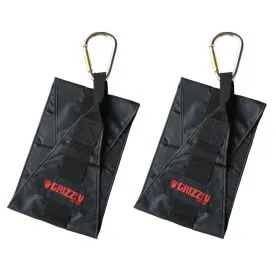
Purchasing specialized core strength platforms—such as adjustable folding ab boards, abdominal training straps, resistance ab bench, vertical knee raise towers, semi-recumbent ab bench, adjustable sit up boards, full commercial sissy squat bench, adjustable ab board, vertical knee raise chin dip, light commercial mini ab bench, dual hyperextension and crunch bench, abdominal crunch weight bench, incline oblique flexor bench, sit-up bench, abdominal crunch board, adjustable abdominal decline bench, hyper extension bench, multi hyperextension weight bench, adjustable crunch bench, multi-ab and decline weight bench, adjustable ab bench, sit-up bench ladder station, ab bench, tricep dip and abdominal and push-up station, gravity crunch, vertical knee raise with pull up station, dip/chin/ab/push-up station, core training ab crunch board, light commercial ab coaster, core spider, adjustable decline bench, 45 degree back extension, or plate loaded ab crunch machine—is a major investment in your facility or home gym space. This guide outlines the physical shipping constraints, specialized freight handling protocols, and on-site readiness required for delivering our heavy core equipment to residential homes, commercial wellness hubs, and federal government or military training sites.
Freight Logistics, Transit Protocols, and On-Site Handling
- Compact accessory attachments, bodyweight abdominal training straps, folding sit-up boards, or light-duty bench add-ons that remain safely under strict carrier dimensional thresholds and maximum gross weight limits can occasionally ship via standard ground parcel channels (UPS or FedEx).
- Most light commercial and full commercial ab benches, vertical knee raise chin dip towers, plate loaded ab crunch machines, sissy squat benches, dual hyperextension and crunch benches, and heavy core stations are oversized and far too heavy to ship via ground parcel. Consequently, they must ship strapped, banded, shrink-wrapped, and fully secured to a standard or custom-made wooden pallet via Less-Than-Truckload (LTL) freight through one of our preferred freight carriers.
- Due to their heavy-duty structural steel frame assemblies, thick gauge tubing, integrated counterweights, and broad stabilizer footprints, these units require robust palletization to stay upright and to limit frame scratching or transit damage.
- Customers receiving an LTL shipment will receive a mandatory 24-hour notification call from the freight carrier dispatch center to schedule a specific delivery appointment and set the delivery date and time window.
- Hydraulic liftgate service will be provided to safely lower the heavy palletized strength equipment from the back of the trailer down to the pavement for a standard curbside delivery, unless the receiving facility is equipped with an active loading dock or an on-site forklift.
- Because LTL freight drivers are strictly responsible for curbside drop-off and are restricted by liability from bringing freight inside residential doorways or commercial facilities, IRON COMPANY strongly recommends having a physical team of helpers or extra sets of hands present at the scheduled time of delivery.
- Most ab benches, vertical knee raise towers, and core workout machines arrive heavy, bulky, and awkwardly packaged, so have a heavy-duty furniture moving dolly or appliance hand truck ready to move the palletized components from the curb into the room or facility where the unit will be assembled and used.
Direct Access to Core Equipment Inventory
To systematically evaluate specialized core frame configurations, compare shipping weights, and find the blueprint for your facility, explore the live catalog options available on IRON COMPANY Ab Benches and Core Workout Equipment Page 1 and IRON COMPANY Ab Benches and Core Workout Equipment Page 2.
Plan Storage and Nearby Accessories
Core-training areas may include dumbbells, plates, medicine balls, bands, mats, barbell pads, and cleaning supplies. Review gym equipment storage before delivery so accessories do not end up around bench feet, VKR bases, or active walkways.
Strong Fit and Not Ideal For
Ab Benches and Core Workout Equipment Are a Strong Fit For
- Home gyms, garage gyms, studios, school weight rooms, commercial gyms, tactical training rooms, and government fitness facilities that need dedicated core-training stations.
- Buyers comparing adjustable ab boards, folding sit-up benches, decline benches, abdominal crunch benches, VKR towers, oblique flexor benches, and bodyweight core stations.
- Facilities that can verify room dimensions, delivery path, roller-pad fit, flooring, storage, use rating, maintenance needs, and warranty terms before purchase.
- Strength rooms where a dedicated core station can reduce the need to adapt standard weight benches for sit-ups, oblique work, or bodyweight knee raises.
- Government and institutional buyers prepared to verify product-level documentation before procurement.
People or facilities that should purchase Ab Benches and Core Workout Equipment:
Core Demographics and Target Facilities Utilizing Abdominal and Core Workout Equipment
- Federal Procurement & Tactical Military Operators: Tactical fitness facilities, civic training spaces, and military bases source vertical knee raise towers, abdominal crunch boards, and heavy-duty core benches on GSA contract channels (GSA 47QSMA22D08NN) with GSA and TAA status confirmed per product before a GSA order.
- Commercial Fitness Centers & Health Clubs: High-volume facilities benefit from heavy-duty commercial units like the Legend Fitness Abdominal Crunch Board (3161) or selectorized crunch benches built with heavy-gauge steel frame tubing and dense commercial upholstery to continuously accommodate multiple members across high-traffic weight rooms.
- High School and Collegiate Athletic Weight Rooms: Strength coaches build core strength and rotational power with heavy-duty bodyweight stations like the Legend Fitness Dip/Chin-Up/Push-Up Station (3128), allowing student-athletes to develop abdominal strength and hip flexor stability within structured team training environments.
- Garage Gyms & Home Training Enthusiasts: Dedicated residential lifters invest in space-saving, multi-functional units like the Body-Solid Best Fitness Semi-Recumbent Ab Bench (BFAB20B) or the Arsenal Alpha 45 Degree Back Extension (9069) for core workouts within compact home floor boundaries.
- Sports Performance & Powerlifting Complexes: Facilities focusing on maximal athletic conditioning choose dedicated platforms like the Legend Fitness Incline Oblique Flexor Bench (3160) equipped with heavy-duty structural steel frames for targeted lateral abdominal and core strength development.
- Personal Training Studios & Private Boutique Gyms: Fitness entrepreneurs working with tight space footprints select multi-angle platforms like the Body-Solid Pro-Style Adjustable Ab Board (GAB60B) for exercise versatility across client fitness levels during one-on-one personal training sessions.
- Corporate Wellness & Enterprise Fitness Lounges: Businesses upgrading employee health spaces look to sleek abdominal crunch stations coated in professional powder-coat finishes to align with corporate office aesthetics while offering intuitive pin-select or bodyweight adjustments.
- Medical Rehabilitation & Physical Therapy Clinics: Physical therapy and rehabilitation clinics that program core work use accessible semi-recumbent ab benches and decline boards for gradual progressive overload, as directed by their clinicians.
- Multi-Unit Housing & Luxury Apartment Complexes: Property developers install commercial-rated sit-up benches, vertical knee raise stations, and core workout boards like the Legend Fitness Mini Sit-Up Bench (3116) to offer residents core conditioning options requiring minimal maintenance in unstaffed fitness centers.
- Fire Stations & Law Enforcement Academies: First responder training facilities outfit their gyms with rugged, commercial-grade ab crunch weight benches like the TKO Signature Abdominal Crunch Weight Bench (7043-G2) to support high-intensity functional core conditioning and core endurance mandatory for operational readiness.
Ab Benches and Core Workout Equipment May Not Be the Right Choice For
- Buyers who need a general bench for pressing, rows, or heavy dumbbell work and may be better served by an adjustable utility bench.
- Facilities that need posterior-chain equipment and may be better served by back, hamstring, and glute benches or hyperextension equipment.
- Rooms without enough clearance for torso extension, oblique movement, leg raise movement, user entry, and walkways.
- High-traffic shared facilities considering residential-use ab boards without verifying use rating, warranty, frame construction, pad support, and replacement-part support.
- Projects requiring medical, rehabilitation, accessibility, GSA, TAA, Buy American, Berry Amendment, Made in USA, country-of-origin, or structural documentation that has not yet been verified for the exact SKU and configuration.
People or facilities that may not be suited for or compatible with Ab Benches and Core Workout Equipment:
Profiles and Facilities Incompatible with Ab Benches and Core Workout Equipment
- Pure Cardio & Minimalist Group Fitness Studios: Facilities whose primary program focus revolves strictly around high-density cardio, indoor cycling, or floor-based aerobics will find large dedicated core platforms like the Legend Fitness Abdominal Crunch Board (3161) or TKO Signature Abdominal Crunch Weight Bench (7043-G2) unsuitable, as these spaces require open, clear floor zones rather than heavy fixed-footprint strength stations.
- Extremely Compact or Narrow Walkway Areas: Small training quarters cannot support the wide working perimeter required by dynamic abdominal units—such as the Legend Fitness Incline Oblique Flexor Bench (3160)—due to the additional forward, lateral, and backward clearance needed for full leg extension, body travel, and uninhibited exercise execution.
- Lower Back Injury Recovery Without Medical Clearance: Individuals recovering from a lower back injury should not use decline boards or crunch benches until cleared by a medical professional.
- Unsupervised or High-Abuse Public Recreation Settings: Open, non-staffed venues managing high-volume public traffic without instruction should avoid complex technical core workstations or pin-selected dynamic units, as user error or improper adjustment can lead to improper biomechanical execution or equipment misuse.
- Budget-Constrained Temporary Fitness Pop-Ups: Temporary fitness setups or low-budget seasonal training operations will find full commercial-grade steel units like the Legend Fitness Dip/Chin-Up/Push-Up Station (3128) or Body-Solid Pro-Style Adjustable Ab Board (GAB60B) cost-prohibitive compared to basic floor mats or light bodyweight training accessories.
Direct Sourcing Controls Across Our Active Digital Collections
To cross-verify critical engineering dimensions, compare steel tubing gauges, and match your facility parameters to your long-term training goals, analyze our active category directory on IRON COMPANY Ab Benches and Core Workout Equipment Page 1 and IRON COMPANY Ab Benches and Core Workout Equipment Page 2. Our catalog features commercial ab crunch boards, compact semi-recumbent benches, multi-angle decline boards, and specialized bodyweight stations. Procurement agents and facility planners can navigate specific model lines—including the compact footprint of the Body-Solid Best Fitness Semi-Recumbent Ab Bench (BFAB20B), the light commercial TuffStuff Evolution Light Commercial Mini Ab Bench (CMA-320), the commercial-rated TKO Signature Abdominal Crunch Weight Bench (7043-G2), or the heavy-duty strength systems built by Legend Fitness—such as the Abdominal Crunch Board (3161), Incline Oblique Flexor Bench (3160), Mini Sit-Up Bench (3116), or Dip/Chin-Up/Push-Up Station (3128). The warranty terms are listed on each product page, and GSA and TAA status is confirmed per product before a GSA order.
Common Ab Bench and Core Equipment Buying Mistakes to Avoid
- Buying by footprint only: Add room for the user’s legs, torso, arms, external resistance, mounting, dismounting, and walkways.
- Confusing an ab bench with a standard weight bench: Ab benches are designed for core work and anchoring; weight benches are designed for pressing, rows, and broader strength training.
- Confusing a VKR tower with an ab board: Vertical knee raise towers are standing bodyweight stations, while ab boards support seated or decline trunk-flexion movements.
- Ignoring roller-pad fit: Poor ankle, thigh, or hip-pad positioning can make a bench uncomfortable or hard to use for different body sizes.
- Using residential ab boards in shared facilities: Verify use rating and warranty before placing a compact folding model into a school, studio, apartment gym, or commercial space.
- Assuming weighted sit-ups are supported: Holding plates, dumbbells, or medicine balls changes the load on the frame, pads, and user position. Verify product documentation first.
- Forgetting flooring: Core benches, VKR stations, and dip/chin stations should be planned with the finished floor surface, cleaning, and foot contact areas in mind.
- Underestimating delivery access: Some commercial benches and bodyweight stations may include welded sections, large bases, or freight shipments that require route planning.
- Overlooking upholstery and pad wear: High-use core stations should be inspected for pad compression, torn upholstery, loose rollers, damaged grips, and worn adjustment parts.
- Treating every product as contract eligible: Company-level GSA contract status does not prove product-level eligibility, country-of-origin status, or solicitation fit.
Top 6 Critical Mistakes Buyers Make When Purchasing Ab Benches and Core Workout Equipment
Investing in a core conditioning platform—such as an adjustable ab board, sit-up bench, abdominal crunch bench, vertical knee raise tower, oblique flexor bench, sissy squat bench, dip/chin/ab/push-up station, or plate loaded ab crunch machine—is a significant step toward optimizing a training space. However, because heavy-duty steel strength platforms and specialized biomechanical machines concentrate heavy raw materials into a specific area, buyers across the residential, commercial, and government sectors frequently overlook essential technical parameters.
To help you make an informed decision when browsing the equipment selections available on IRON COMPANY Ab Benches and Core Workout Equipment Page 1 and IRON COMPANY Ab Benches and Core Workout Equipment Page 2, we have detailed the top six logistical and mechanical errors buyers make and how to avoid them.
Assuming an Adjustable Decline Ab Bench and a Vertical Knee Raise (VKR) Tower Target the Core Identically
Many buyers assume all abdominal equipment targets the midsection in the exact same manner, failing to realize that decline sit-up boards isolate the upper and lower rectus abdominis through spinal flexion, whereas VKR towers utilize leg hip-flexion to target the deep lower abs and hip flexors. While decline boards lock the lower body to articulate the torso upward, vertical knee raise stations stabilize the upper body via elbow armrests and back pads while the legs perform dynamic pelvic tucks.
Mistaking Light-Duty Residential Ab Boards for Commercial-Grade Units
Customers frequently mistake light residential sit-up boards for full commercial-grade ab units, not realizing home models lack the structural frame weight, heavy-gauge steel tubing, and wide stabilizer bases needed for high-volume use or weighted crunch variations. Light-duty frames can flex, wobble, or experience pad breakdown under heavy loads or when utilized by larger athletes, making heavy commercial weldments essential for high-traffic facilities and institutional weight rooms.
Measuring Static Base Frame Footprints But Forgetting Active Dynamic User Clearance
Facility buyers often measure only the physical steel frame dimensions, forgetting that dynamic units—such as sissy squat benches, dual hyperextension and crunch boards, or rotational core coasters—require several feet of open working clearance both in front of and behind the bench. Users extending their legs, reaching overhead, or performing dynamic torso bends need uninhibited spatial clearance to avoid colliding with adjacent equipment, walls, or weight racks.
Overlooking Biomechanical Ergonomics and Fixed vs. Adjustable Leg Roller Placement
A common purchasing error is choosing entry-level ab boards with fixed leg pads that do not adjust for different femur lengths or user heights. Improper pad positioning puts the user in an awkward hip hinge position rather than proper spinal flexion. Adjustable decline boards let the leg pads be set for the user's height and femur length.
Failing to Verify Freight Delivery Access, Doorway Widths, and On-Site Assembly Requirements
Buyers frequently forget to measure facility entryways, hallways, and freight elevator clearances prior to ordering heavy, pre-welded core stations or plate-loaded ab machines. Because heavy commercial ab units ship via Less-Than-Truckload (LTL) freight on palletized crates, facilities lacking loading docks or ground-level access must plan for curbside delivery and have an on-site team available to move large components to the setup zone.
Assuming Standard Fitness Equipment Meets Federal GSA Procurement and TAA Compliance Guidelines
Government, military, and federal buyers often mistakenly select non-compliant commercial core stations for institutional orders. Under the Trade Agreements Act, products supplied to the United States federal government must be manufactured or substantially transformed in the United States or in a designated country. Buyers verify each product's country of origin and contract listing before a federal order; GSA and TAA status is confirmed per product before a GSA order.
Explore and Refine Your Facility Footprint
Our full product inventory spans across our dedicated catalog directory. You can compare specifications, track frame options, and analyze exact structural gauges by evaluating the live product listings on IRON COMPANY Ab Benches and Core Workout Equipment Page 1 and IRON COMPANY Ab Benches and Core Workout Equipment Page 2.
Maintenance, Inspection, and Facility Operations
Ab benches and core stations should be inspected according to the exact manufacturer instructions. Facility staff should check pads, upholstery, roller assemblies, pull pins, adjustment holes, handles, dip grips, pull-up grips, foot covers, weld areas, hardware, wheels, and frame contact points based on product design.
Shared facilities should define cleaning responsibilities, damaged-part reporting, out-of-service procedures, accessory storage, and replacement-part requests. Keep product manuals, warranty documents, serial numbers, purchase records, and quote documentation available for facility managers and service contacts.
Use cleaning methods appropriate for the product material and finish. Do not assume one cleaner is suitable for upholstery, powder coat, rubber grips, plastic end caps, roller pads, foam padding, or decals unless product documentation supports that use.
Featured Ab Benches and Core Workout Equipment Options
Body-Solid Best Fitness Vertical Knee Raise Tower
The Body-Solid BFVK10B is listed as a Best Fitness vertical knee raise tower with steel/plastic material, padded back and arm supports, dip station handles, 39" L x 27" W x 83" H assembled dimensions, and 69 lb. assembled weight. It is better treated as a compact bodyweight core and dip station than a sit-up bench. Verify room height, entry clearance, use rating, warranty, shipping labels, and product-level government purchasing status before ordering.
Body-Solid Best Fitness Adjustable Folding Ab Board
The Body-Solid BFAB10B is listed as an adjustable folding ab board with three incline positions of 15, 20, and 25 degrees, no assembly required, folding storage, 49" L x 18" W x 27" H in-use dimensions, and 23 lb. product weight. Review the residential-focused warranty language, adjustment needs, storage plan, user fit, shipping labels, and room clearance before purchase.
TKO Signature Abdominal Crunch Weight Bench
The TKO 7043-G2 is listed as a Signature Abdominal Crunch Weight Bench with a two-piece pad, calf support, compact design, rubber feet, matte black frame, black upholstery, 39" x 29" x 24.6" dimensions, and 77 lb. weight. It is a dedicated crunch bench option for buyers comparing compact abdominal stations for gyms, hotels, resorts, community centers, and similar facilities.
Legend Fitness Abdominal Crunch Board
The Legend Fitness 3161 Abdominal Crunch Board is listed as a made-to-order USA-made crunch board with 66" L x 20.5" W x 52.6" H dimensions, heavy 3 x 3 11-gauge steel construction, fully MIG-welded frame, 2" thick rebond foam, pop-pin adjustable leg pad, and custom frame/upholstery color options. Verify delivered dimensions, fully welded access, color selections, freight, warranty, and product-level procurement documentation before ordering.
Legend Fitness Incline Oblique Flexor Bench
The Legend Fitness 3160 Incline Oblique Flexor Bench is listed as a made-to-order USA-made oblique bench with 53.25" L x 30" W x 39.5" H dimensions, heavy 3 x 3 11-gauge steel construction, fully MIG-welded frame, 2" thick rebond foam, and a pop-pin adjustable hip pad. Review side clearance, user fit, color options, delivered dimensions, freight, and warranty before specifying it for a facility.
Spirit Fitness Adjustable Ab Bench
The Spirit Fitness CSF-AABB Adjustable Ab Bench is listed with multiple adjustment positions, wide back pad, adjustable leg support, integrated wheels, PVC foot covers, heavy-gauge steel frame, 47.3" L x 30.2" W x 41.8" H set-up dimensions, 50.2 lb. item weight, and 600 lb. maximum weight capacity. Verify current shipping labels, warranty, use rating, floor placement, and product-level government purchasing status before ordering.
Legend Fitness Dip/Chin-Up/Push-Up Station
The Legend Fitness 3128 Dip/Chin-Up/Push-Up Station is listed as a made-to-order USA-made bodyweight station with 66.75" L x 44.75" W x 89.75" H dimensions, heavy 3 x 3 11-gauge steel construction, fully MIG-welded frame, dip handles, push-up handles, pull-up bars, foot bars, and custom frame color options. Treat it as a bodyweight core and upper-body station rather than a bench, and verify ceiling height, delivery path, freight, warranty, and final placement before ordering.
Product names, prices, ratings, reviews, availability, shipping labels, dimensions, capacities, color options, warranties, lead times, installation requirements, and procurement status can change. Review the current product page and request a quote before ordering.
Related Strength Equipment, Free Weights, Flooring, and Storage
Abdominal core benches are part of a larger strength training equipment plan. Buyers comparing core bench formats should also review weight benches when pressing and general bench work are the priority, and back, hamstring, and glute benches when back extension, glute-ham work, or posterior-chain training is the priority.
For complete room planning, compare free weights, dumbbells and dumbbell sets, barbells and sets, weight plates, Olympic bars, gym equipment storage, and gym flooring. Planning these categories together can help avoid flooring, storage, clearance, accessory, and traffic-flow problems after the bench arrives.
Ab Bench and Core Training Guides
For broader facility planning, review IRON COMPANY capabilities for fitness equipment and gym flooring projects and GSA bid information.
For core-training education, read Want More Core Strength? Get to Squatting and Deadlifting! and Exploding Fitness Myths: Why We Avoid Endless Ab Exercise. These articles are educational resources and should not be treated as product-level safety, medical, warranty, installation, or procurement documentation.
An IRON COMPANY article on five home fitness essentials (IRON COMPANY Editorial Team, January 31, 2021) counts core training among them, alongside cardio, strength, balance and flexibility, with equipment types suggested for each.
For current ordering support, quote help, or category guidance, visit IRON COMPANY Customer Care.
Government and Institutional Ab Bench Purchasing
IRON COMPANY holds GSA contract 47QSMA22D08NN. Contract status does not establish that every ab bench, sit-up board, crunch bench, vertical knee raise tower, dip/chin station, accessory, color option, freight service, installation service, or configuration is available through GSA, a Government Purchase Card, or a specific agency purchasing channel.
Before ordering, verify product-level contract eligibility, country of origin, current pricing, configuration, ordering method, freight, warranty terms, installation scope, and any applicable TAA, Buy American, Berry Amendment, or agency-specific requirements. Institutional buyers should also confirm room dimensions, delivery path, flooring, storage, user population, maintenance responsibility, and replacement-part support for the exact core-training setup.
Common Questions About Ab Benches and Core Workout Equipment
What is an ab bench?
An ab bench is a strength bench or core station designed for sit-ups, crunches, decline trunk-flexion exercises, oblique movements, or related core-training work. The category may include adjustable ab boards, folding sit-up benches, abdominal crunch benches, VKR towers, oblique benches, and bodyweight core stations.
What is the difference between an adjustable ab board and a crunch bench?
An adjustable ab board changes angle for sit-ups and decline crunches. A crunch bench is usually a more dedicated station with pad and roller geometry intended for controlled abdominal crunch movement. Compare adjustment range, user fit, frame design, and use rating before choosing.
Is a vertical knee raise tower the same as an ab bench?
No. A vertical knee raise tower is a standing bodyweight station for knee raises, leg raises, dips, and related exercises. It belongs in core-training equipment, but it is not a sit-up bench or decline ab board.
Should I choose an ab bench or a standard weight bench?
Choose an ab bench when the priority is sit-ups, crunches, decline core work, oblique work, or leg raise support. Choose a standard weight bench when the priority is presses, rows, dumbbell work, and general strength training.
Can ab benches be used with dumbbells, plates, or medicine balls?
Some users add external resistance to core movements, but the exact bench must support that use. Verify product capacity, use rating, pad support, adjustment security, warranty terms, and user supervision before adding weight to sit-ups, crunches, or extensions.
How much space does an ab bench need?
Start with the product dimensions, then add room for the user’s legs, torso, arms, mounting, dismounting, weighted movements when appropriate, and walkways. Oblique benches and VKR towers may need additional side or overhead clearance. While compact units like the TuffStuff Evolution Light Commercial Mini Ab Bench (CMA-320) or Legend Fitness Mini Sit-Up Bench (3116) occupy a minimal base footprint, dynamic units require broader working perimeters. Buyers should reserve uninhibited spatial clearance around abdominal crunch boards and bodyweight towers like the TKO Signature Abdominal Crunch Weight Bench (7043-G2) to accommodate full user torso travel, leg extensions, and exercise execution without striking surrounding walls, mirrors, or adjacent fitness equipment.
Do ab benches need special flooring?
They need a surface that matches the room and equipment. Rubber gym flooring or compatible mats can help define the core-training zone and support cleaning routines, but flooring does not replace product-specific placement, leveling, structural review, or warranty guidance. Yes, placing heavy structural steel core benches or multi-station towers directly onto bare concrete, hardwood, or thin subflooring risks frame slippage, equipment instability, and subfloor surface damage. Installing professional-grade high-density rubber gym flooring, such as rubber gym mats, rolled rubber, or interlocking rubber tiles, adds a vibration barrier, helps steady the equipment frame during dynamic movements, absorbs impact loads, and helps protect underlying subfloors across commercial, institutional, and residential training environments.
Can ab benches be purchased through GSA?
IRON COMPANY holds a GSA contract, but eligibility must be verified for the exact ab bench SKU, configuration, option, accessory, and ordering method. Request current product-level documentation before using a federal purchasing channel. Not all commercial core training platforms qualify for federal purchasing; government procurement officers and tactical facility buyers must verify certified country-of-origin parameters under the Trade Agreements Act (TAA). Legend Fitness core workstations are offered through GSA contract channels (GSA 47QSMA22D08NN) and the IRON COMPANY digital catalog; GSA and TAA status is confirmed per product before a GSA order for military bases, tactical training spaces, and VA medical facilities.
What is the difference between an adjustable decline ab bench, a vertical knee raise (VKR) tower, and an oblique flexor bench?
An adjustable decline ab bench—such as the Body-Solid Pro-Style Adjustable Ab Board (GAB60B)—locks the ankles and lower body while placing the torso on a declined plane to isolate the upper and lower rectus abdominis through controlled spinal flexion. A Vertical Knee Raise (VKR) tower—such as the Legend Fitness Dip/Chin-Up/Push-Up Station (3128)—stabilizes the upper body on padded forearm rests and back pads, utilizing bodyweight leg raises to target the lower abdominals and deep hip flexors. An oblique flexor bench—such as the Legend Fitness Incline Oblique Flexor Bench (3160)—positions the body sideways on an angled pad to isolate the internal and external obliques via lateral torso flexion.
Should I choose an entry-level adjustable sit-up board or a commercial-grade core station?
Entry-level adjustable sit-up boards and semi-recumbent units like the Body-Solid Best Fitness Semi-Recumbent Ab Bench (BFAB20B) suit residential home gyms and light personal training spaces because of their space-saving designs, mobility, and accessible adjustments. However, high-traffic commercial fitness centers, high school weight rooms, and athletic performance facilities require heavy-gauge structural steel frames, dense commercial upholstery, and fully welded construction—such as the Legend Fitness Abdominal Crunch Board (3161)—to withstand high daily user throughput and heavy weighted core training without frame flex or pad breakdown.
What is the difference between a bodyweight ab board and a plate-loaded or selectorized core machine?
Bodyweight ab boards rely strictly on body weight, decline angles, and manual plate resistance to scale workout intensity. Plate-loaded and selectorized core machines utilize guided cams, weight stacks, or weight pegs to deliver progressive, mechanically controlled resistance throughout the entire range of motion, providing consistent muscular isolation without requiring unassisted balancing.
How do I ensure an ab bench or core tower fits users of varying body heights and proportions?
Commercial core stations feature telescoping leg roller adjustments, multi-position footplates, and adjustable back pads. Auditing these adjustment tracks prior to purchasing lets shorter and taller athletes set a correct hip pivot alignment for the exercise.
What freight handling preparations are required for commercial ab benches and towers?
Heavy commercial core equipment often ships via Less-Than-Truckload (LTL) freight on palletized crates. Facility buyers verify doorway, hallway, and elevator dimensions, clear a receiving pathway from the curbside drop-off point, and arrange for an on-site team or professional installation services to unload pre-welded side frames and heavy structural components.
Can core workout equipment and ab benches be customized with specific frame and upholstery colors?
Manufacturers such as Legend Fitness offer powder-coat frame finish and upholstery color choices on made-to-order units; the options are listed on each product page. This allows commercial gyms, university athletic centers, and corporate wellness facilities to align new core equipment with existing facility aesthetics and brand color schemes.
What manufacturer warranties apply to commercial core benches versus residential units?
Commercial-grade ab benches carry structural frame and weld warranties written for institutional use, with separate coverage terms for bearings, pop-pins, and upholstery; the warranty terms are listed on each product page. Residential-rated units carry warranties written for home use; the warranty terms and any use limits are listed on each product page.
Why Buy Ab Benches and Core Workout Equipment from IRON COMPANY?
Established in 1997, IRON COMPANY supplies gym equipment, strength equipment, cardio equipment, free weights, accessories, storage racks, and flooring solutions for residential, commercial, vertical-market, institutional, military, and government buyers. The team provides product sourcing, quote support, category guidance, and customer care for individual core bench purchases and complete facility projects.
Learn more about IRON COMPANY, review the company’s Better Business Bureau profile, or contact IRON COMPANY at 888-758-7527 for assistance.
IRON COMPANY supplies ab benches and core workout equipment—including adjustable folding ab boards, abdominal training straps, resistance ab bench, vertical knee raise towers, semi-recumbent ab bench, adjustable sit up boards, full commercial sissy squat bench, adjustable ab board, vertical knee raise chin dip, light commercial mini ab bench, dual hyperextension and crunch bench, abdominal crunch weight bench, incline oblique flexor bench, sit-up bench, abdominal crunch board, adjustable abdominal decline bench, hyper extension bench, multi hyperextension weight bench, adjustable crunch bench, multi-ab and decline weight bench, adjustable ab bench, sit-up bench ladder station, ab bench, tricep dip and abdominal and push-up station, gravity crunch, vertical knee raise with pull up station, dip/chin/ab/push-up station, core training ab crunch board, light commercial ab coaster, core spider, adjustable decline bench, 45 degree back extension, and plate loaded ab crunch machine—for residential customers, personal training studios, high schools and universities, multi-unit housing complexes, hotel fitness spaces, commercial fitness centers, sports performance rooms, corporate wellness centers, vertical market studios, VA hospitals, and federal procurement clients. Since 1997, IRON COMPANY has supplied commercial ab benches and core workout equipment to core conditioning spaces worldwide. We have delivered space-saving abdominal boards, heavy-duty vertical knee raise towers, and selectorized core crunch machines to high-traffic layouts, and our buyers are backed by decades of logistical knowledge and industry experience.
Federal government and military procurement officers purchase ab benches, core workout equipment, vertical knee raise chin dip towers, and plate loaded ab crunch units through our GSA contract (GSA 47QSMA22D08NN) and the IRON COMPANY website; GSA and TAA status is confirmed per product before a GSA order. TAA compliance dictates that products supplied to the United States federal government must be manufactured or substantially transformed in the United States or in a designated country under the Trade Agreements Act. When purchasing heavy-duty abdominal and core equipment on GSA or sourcing a USA-made strength station, institutional buyers can request product-level documentation; GSA and TAA status is confirmed per product before a GSA order.
Our catalog features options for footprints and training disciplines from a space-saving home gym layout to heavy-duty institutional centers. Equipment options available through our channels include configurations manufactured by Body-Solid, Legend Fitness, Arsenal, SportsArt, TKO, and TuffStuff Fitness. Facility planners and home buyers can choose and buy ab benches and core workout equipment on IRON COMPANY Ab Benches and Core Workout Equipment Page 1 and IRON COMPANY Ab Benches and Core Workout Equipment Page 2 with features such as contoured back supports, telescoping angle adjustments, heavy-gauge steel frame assemblies, and high-density foam padding.
Sectors We Supply
- Residential & Garage Gyms: Helping home lifters make the most of tight space limits with space-saving adjustable folding ab boards, compact sit-up boards, light commercial mini ab benches, modular crunch attachments, and custom frame or pad color options.
- Commercial & Club Facilities: Supplying high-volume commercial fitness clubs with full commercial sissy squat benches, heavy-duty vertical knee raise chin dip towers, plate loaded ab crunch machines, abdominal crunch weight benches, and robust core workstations engineered to withstand heavy structural loads.
- Institutional & Team Weight Rooms: Architecting school athletic centers, university performance facilities, and corporate training spaces with vertical knee raise with pull up stations, dual hyperextension and crunch benches, dip/chin/ab/push-up stations, and incline oblique flexor benches for core exercise adaptation.
- Military & Government Arenas: Delivering strength infrastructure and ab benches and core workout equipment to tactical facilities, field clinics, and military bases, with GSA and TAA status confirmed per product before a GSA order.
Shop Ab Benches and Core Workout Equipment
Compare the ab benches and core workout equipment above by bench format, adjustment range, roller-pad fit, bodyweight station design, user clearance, floor space, storage, flooring, maintenance expectations, freight, warranty, and procurement documentation. For home gyms, studios, commercial gyms, schools, government facilities, tactical training rooms, or multi-room strength projects, request a current quote before finalizing the layout.