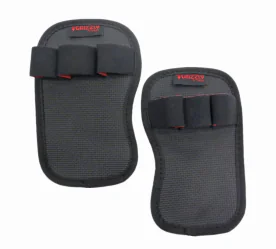
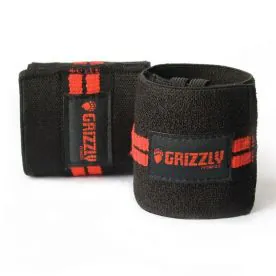
Gym accessories help improve training efficiency, add exercise variety, protect the body under load, and extend the usefulness of existing equipment without requiring a full machine purchase. From cable attachments and lifting belts to gym chalk, timers, gloves, support gear, micro-loading weights, and recovery tools, the right accessory can make a strength room safer, more versatile, and more productive for daily use.
IRON COMPANY has supplied gym equipment and flooring solutions since 1997, and this category is built to help buyers compare gym accessories by function, compatibility, training style, and facility type. Whether you’re outfitting a home gym, school weight room, commercial club, tactical training space, or government facility, this page is designed to help you choose the right accessory category before narrowing down to specific products.
How to Choose Gym Accessories by Function, Compatibility, and Training Style
Start by identifying the problem the accessory is meant to solve. Cable attachments increase exercise variety on functional trainers, selectorized machines, and jungle gyms. Weight belts, straps, wraps, sleeves, and gloves support grip, trunk stability, joint support, or hand protection during heavier or higher-volume training. Chalk and grip tools help when hand fatigue becomes the limiting factor before larger muscle groups. Micro-loading accessories such as PlateMate fill the gap when standard jumps in resistance are too large for safe progression.
Not every accessory belongs in every room. A home gym may get more value from a small set of practical upgrades like a barbell pad, straps, chalk, and one or two cable handles. A commercial or institutional room may need more durable cable attachments, visible timing equipment, bulk chalk solutions, multiple support accessories, and recovery or instructional tools that serve a wider range of users. Buyers should also match the accessory to the equipment already on the floor so they do not end up with add-ons that do not fit the machines, bars, plates, or training style in the room.
Evaluating your budget alongside key features, specifications, reviews, shipping details, and warranties helps you choose equipment suited to your facility.
Beginner-Friendly Spinal Protection & Comfort
Barbell pads help novice lifters ease immediate neck and shoulder pain during squats. Newer trainees frequently struggle with bar placement friction before building up structural mass across the upper trapezius. Dense foam models, such as the CAP Barbell MAB-105, spread compressive load across the shoulders.
Machine Variety with Precision Cable Handles
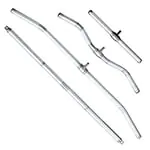
The right cable attachments turn standard selectorized stations into multi-functional training stations. Stocking generic cable machines limits movement potential if the user handles fail to match human biomechanics. Handles like the American Barbell Revolving Solid Straight Bar target different upper and lower body movement paths.
Maintenance-Free Group Fitness Resistance
Fixed-weight toning bars suit rehabilitation clinics and group class coordinators. Traditional plate-loaded bars slow down rapid metabolic circuits and high-turnover studio sessions due to constant weight adjustments. Solid-core options like the Body-Solid BSTFB give clients a grab-and-go option with no plate changes or clamp checks.
Particulate Dust Containment for Clean Facilities
Structural chalk bowls answer a common commercial gym maintenance concern. Uncontained magnesium carbonate block chalk crumbles easily, migrating into cardio consoles and coating rubber flooring with micro-fine residue. Heavy-duty steel pedestals, like the Legend Fitness 3259, keep chalk contained in Olympic lifting and powerlifting zones.
Developing Everyday Crushing Power & Pulling Security
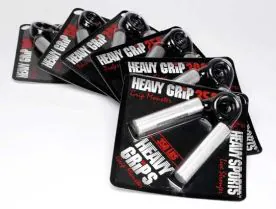
Calibrated hand grippers give users a direct path to increasing manual endurance for sports performance or daily life. Grip fatigue is often the hidden weak link that causes athletes to prematurely drop barbells or dumbbells before target muscles are fully trained. Progressive, high-tensile spring coil systems like the Heavy Grips Professional series offer clear milestones for building a reliable, non-slip hold.
Non-Surgical Recovery Tools
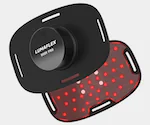
Non-surgical pain management tools sit at the intersection of progressive strength training and physical recovery. Persistent joint irritation, lumbar stiffness, and soft-tissue inflammation can stall a lifter's long-term consistency at home or the workplace. FDA-cleared devices like the Lumaflex Body Pro red-light therapy array are used for recovery at home or in the field; the manufacturer's indications are listed on the product page.
Precise Fractional Progression & Plate Breakers
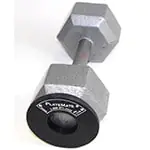
Magnetic add-on weights introduce lifters to micro-loading free weights. Standard five-pound jumps on dumbbells are frequently too aggressive for smaller upper-body tracking movements, increasing the risk of acute connective tissue strain. Precision options like the PlateMate 2.5 lb. Donut stick to bare iron free weights for consistent small progressions.
Structural Mid-Section Bracing for Maximum Loads
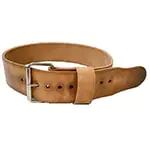
Understanding the purpose of a weightlifting belt helps powerlifters and functional athletes brace for maximum-effort top sets. Many lifters mistakenly treat a lifting belt as a passive waist cushion rather than a rigid structural wall to actively brace the abdominal wall against. Leather belts work when the lifter generates high intra-abdominal pressure against them to guard the lower back during heavy deadlifts.
Cervical Conditioning for Contact Sports and Tactical Roles
Head harnesses are used for neck strengthening by first responders and contact athletes. The neck should be trained with progressive, slowly loaded resistance. Reinforced nylon setups, such as the Schiek 1500H, let personnel execute directional movement lines under control.
Thermal Joint Insulation & Anatomical Compression
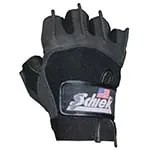
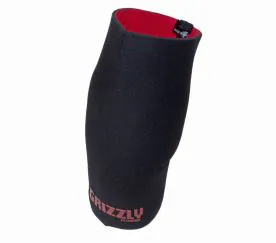
Gloves, wraps, and sleeves differ: surface palm protection versus structural joint support. High-volume circuit trainees use padded gloves like the Schiek 715 against friction blisters, while heavy lifters use elastic wrist wraps like the Schiek White Line to limit hyperextension. Thermal neoprene knee and elbow sleeves offer high-compression joint warmth rather than soft-tissue protection.
Compare Major Gym Accessory Types
| Accessory Type |
Best Fit |
When Buyers Usually Choose It |
| Cable Attachments |
Functional trainers, cable crossovers, jungle gyms, selectorized stations |
Choose cable attachments when you want more exercise variety, better grip options, or more targeted isolation work from existing cable machines. |
| Barbell Pads |
Squats, hip thrusts, Smith-machine work, beginner barbell training |
Choose barbell pads when cushioning is needed for shoulders, neck, or hip-thrust setup without changing the bar itself. |
| Gym Chalk and Chalk Bowls |
Deadlifts, Olympic lifts, pull-ups, gymnastics rings, high-humidity rooms |
Choose chalk when sweat and grip fatigue are reducing bar control before the target muscles are fully trained. |
| Hand Grippers |
Grip development, forearm work, deadlift carryover, tactical and strongman-style training |
Choose grippers when grip endurance or crushing strength is the weak link in bigger lifts or sports performance. |
| Interval Timers and Stopwatches |
HIIT, circuits, group classes, coaching, tactical training |
Choose timers when rest periods, work intervals, and class pacing need to be structured instead of estimated. |
| PlateMate |
Micro-loading dumbbells, barbells, and some weight stacks |
Choose PlateMate when the next available weight jump is too large and smaller, safer progression is needed. |
| Weight Belts and Head Harnesses |
Heavy squats, deadlifts, strongman, powerlifting, neck-strength training |
Choose belts when trunk bracing is part of heavy barbell work, and head harnesses when progressive neck training is part of the program. |
| Weightlifting Gloves |
High-volume lifting, circuit training, hand protection, added wrist support |
Choose gloves when palm comfort, blister reduction, or extra grip security matters more than bare-hand bar feel. |
| Weightlifting Straps, Wraps, and Sleeves |
Heavy pulling, pressing support, joint compression, competition-style training |
Choose straps, wraps, or sleeves when grip, wrist support, or joint compression becomes the limiting factor in heavier training. |
| Fitness Toning Bars |
Group fitness, circuit work, rehab-friendly strength, grab-and-go resistance |
Choose toning bars when the room needs simple fixed-weight resistance that is easy to coach and easy to store. |
| Non-Surgical Pain Management |
Recovery-focused environments, rehab-supportive spaces, daily comfort tools |
Choose this category when the goal is non-invasive support tools such as ergonomic cushions or FDA-cleared red light devices, not another training implement. |
| Wall Exercise Charts |
Instructional spaces, schools, PT areas, multi-user rooms |
Choose charts when at-a-glance exercise education and form reminders are more useful than adding another physical tool to the room. |
Direct Architectural Comparison of Core Accessory Categories
To streamline institutional procurement and room design, the table below highlights the physical attributes, structural limitations, and primary use cases for the foundational accessory types available through the IRON COMPANY digital catalog.
- Cable Attachments — Core Manufacturing Materials & Specifications: Solid steel, hard chrome finish, high-strength aluminum, knurled or urethane-molded grips. Intended Heavy Strength Integration: Functional trainers, lat pulldown stations, cable crossovers, and heavy multi-jungles. Primary Institutional Procurement Target: Commercial health clubs, collegiate athletic facilities, and military fitness centers. Critical Structural Restriction or Limit: Hanger swivel must be verified regularly; must match cable travel parameters.
- Barbell Pads — Core Manufacturing Materials & Specifications: High-density foam, heavy-duty vinyl covers, hook-and-loop enclosures, contoured polyurethane. Intended Heavy Strength Integration: Squats, lunges, and high-load barbell hip thrusts. Primary Institutional Procurement Target: Home gyms, boutique personal training studios, and rehabilitation centers. Critical Structural Restriction or Limit: Do not use to mask fundamental skeletal misalignment or unsafe bar paths.
- Gym Chalk & Bowls — Core Manufacturing Materials & Specifications: Pure magnesium carbonate block chalk; heavy-gauge steel structural pedestals. Intended Heavy Strength Integration: Deadlifts, Olympic weightlifting, gymnastics rings, and pull-up bars. Primary Institutional Procurement Target: Powerlifting clubs, cross-training centers, and tactical training environments. Critical Structural Restriction or Limit: Pedestal bowls must feature an anti-dust rim; requires regular rubber floor maintenance.
- Hand Grippers — Core Manufacturing Materials & Specifications: High-tensile spring steel coils with knurled aircraft-grade aluminum handles. Intended Heavy Strength Integration: Localized grip strength expansion, forearm hypertrophy, and hand endurance training. Primary Institutional Procurement Target: Tactical readiness centers, police/fire training academies, and strongman facilities. Critical Structural Restriction or Limit: Builds high-level crushing power but does not develop systemic pulling stability.
- Interval Timers — Core Manufacturing Materials & Specifications: High-visibility LED arrays, micro-chip processors, impact-resistant industrial casings. Intended Heavy Strength Integration: Group exercise pacing, structured HIIT circuits, and military physical readiness testing. Primary Institutional Procurement Target: Commercial facilities, high school weight rooms, and tactical cross-training yards. Critical Structural Restriction or Limit: Requires clear, glare-free structural sightlines and dedicated power access.
- PlateMate Weights — Core Manufacturing Materials & Specifications: High-grade neodymium or solid iron magnets covered in protective, non-scratch coatings. Intended Heavy Strength Integration: Micro-loading metal dumbbells, solid steel barbells, and raw steel weight stacks. Primary Institutional Procurement Target: Precision bodybuilding setups, physical therapy offices, and residential spaces. Critical Structural Restriction or Limit: Will not attach to rubber-coated, urethane-encased, or non-magnetic dumbbells.
- Weight Belts & Head Harnesses — Core Manufacturing Materials & Specifications: Thick leather, suede linings, single/double steel prongs, heavy nylon webbing, steel chains. Intended Heavy Strength Integration: Heavy maximum squats, deadlifts, overhead presses, and progressive cervical spine strengthening. Primary Institutional Procurement Target: Powerlifting facilities, collegiate sports complexes, and tactical combat readiness units. Critical Structural Restriction or Limit: Belts require conscious intra-abdominal bracing; harnesses require slow progression.
- Weightlifting Gloves — Core Manufacturing Materials & Specifications: Genuine leather palms, strategic gel or foam padding, breathable nylon mesh, wrist support straps. Intended Heavy Strength Integration: High-volume metabolic circuit training, hand skin protection, and basic grip stabilization. Primary Institutional Procurement Target: Multi-housing fitness amenities, corporate wellness rooms, and home workout spaces. Critical Structural Restriction or Limit: Added palm thickness increases handle diameter and reduces high-threshold bare-bar friction.
- Straps, Wraps, & Sleeves — Core Manufacturing Materials & Specifications: Cotton webbing, heavy-duty elasticized nylon blends, multi-ply neoprene. Intended Heavy Strength Integration: High-volume pulling assist, high-load joint compression, and targeted thermal tissue insulation. Primary Institutional Procurement Target: Competitive powerlifting circles, Olympic training centers, and sports rehab clinics. Critical Structural Restriction or Limit: Overuse of straps strips training stimulus from the grip; wraps must cross the joint axis.
- Fitness Toning Bars — Core Manufacturing Materials & Specifications: Solid iron or steel cores encased in color-coded textured rubber or durable foam outer layers. Intended Heavy Strength Integration: Group fitness classes, active physical therapy, and lightweight mobility circuits. Primary Institutional Procurement Target: Senior wellness facilities, physical therapy offices, and group fitness studios. Critical Structural Restriction or Limit: Requires dedicated racks so bars do not roll on the floor.
- Non-Surgical Pain Management — Core Manufacturing Materials & Specifications: FDA-cleared red-light wearable arrays, high-density molded ergonomic foam cushioning. Intended Heavy Strength Integration: Non-invasive localized tissue recovery, lumbar alignment preservation, and therapeutic care. Primary Institutional Procurement Target: Clinical rehabilitation spaces, athletic trainer rooms, and corporate office layouts. Critical Structural Restriction or Limit: Provides comfort; does not treat acute structural tears.
Field Notes for Smarter Accessory Planning
- Newer barbell trainees often benefit from a foam or ergonomic barbell pad for squats and hip thrusts while they build tolerance in the shoulders and upper back.
- Cable attachments only add value when they match the machine you already own. Standard carabiner-style compatibility matters more than buying the widest possible attachment set.
- Gym chalk can make a real difference when grip is the weak link, especially for heavy deadlifts, Olympic lifts, pull-ups, and humid training spaces.
- PlateMate-style magnetic add-on weights are useful when a standard jump in resistance is too large for safe progression, but they only work on compatible bare iron or steel surfaces.
- A belt is most useful when the lifter knows how to brace against it during heavier squats, deadlifts, or presses. It is not a substitute for learning proper technique.
- If accessories are being purchased for a bigger room build, bundle them with flooring, free weights, cleaning supplies, and related support products instead of treating them as last-minute add-ons.
Shop Gym Accessories by Use Case
Home Gyms and Garage Gyms
Home buyers usually get the most value from accessories that solve immediate training problems without taking up much space. Cable attachments, barbell pads, lifting straps, gloves, chalk, and micro-loading accessories can add versatility and better progression without changing the room layout.
Commercial Gyms and Health Clubs
Commercial facilities often need more durable, replacement-friendly accessories that can serve many users across different training styles. Cable attachments, timers, chalk stations, support gear, and instructional charts all make sense when the goal is to improve the training experience without adding large equipment footprints.
Schools, Colleges, and Weight Rooms
School and collegiate environments usually benefit from accessories that improve grip, structure rest periods, support joint comfort, and reinforce training technique. Chalk, straps, wraps, timers, wall charts, and durable cable attachments often have more long-term value than novelty accessories.
Tactical, Fire, Police, Military, and Government Facilities
These environments often prioritize durability, straightforward function, and tools that support repeated high-effort training. Grip tools, timers, lifting support accessories, cable attachments, and room-wide add-ons that improve usability are often the strongest fit.
Rehab-Supportive and Recovery-Focused Spaces
In recovery-oriented environments, accessories such as toning bars, micro-loading tools, supportive wraps, certain ergonomic products, and clearly instructional charts can help bridge the gap between general movement and heavier strength work.
Strategic Sourcing by Facility Profile
An accessory configuration should match your facility's traffic patterns, durability requirements, and compliance standards.
Home Gyms and Garage Gyms
- Design Philosophy: Prioritize multi-functional space efficiency and individual ergonomics. Residential spaces benefit most from versatile upgrades that pack training variety into a minimal footprint.
- Core Accessory Blueprint: A pair of PlateMate 1.25 lb. Donut weights, a high-density CAP Barbell MAB-105 Barbell Pad, a pair of versatile Schiek 1000BPS Padded Lifting Straps, a compact set of Heavy Grips, and a clean block of magnesium gym chalk.
Commercial Gyms and Health Clubs
- Design Philosophy: Prioritize extreme durability, replacement-friendly parts, and universal compatibility. Equipment in commercial spaces must withstand continuous multi-user abuse without requiring constant maintenance.
- Core Accessory Blueprint: Solid steel Body-Solid Pro-Grip Cable Attachments, dedicated TKO Commercial Accessory Racks, high-visibility LED wall timers, heavy-gauge steel chalk pedestals, color-coded Body-Solid BSTFB Weighted Fitness Bars, and industrial-grade sanitization setups.
Schools, Universities, and Sports Performance Weight Rooms
- Design Philosophy: Focus on structural safety, rapid user adjustments, clear coaching visibility, and group synchronization.
- Core Accessory Blueprint: High-visibility Body-Solid STT45 Strength Training Clocks, standardized Schiek White Line Wrist and Knee Wraps, high-purity Apollo Athletics Gym Chalk Blocks, heavy-duty Pioneer Cut Powerlifting Belts for team bracing, and wall-mounted instructional charts for clear, autonomous movement guidance.
Tactical, Fire, Police, and Federal Military Facilities
- Design Philosophy: Demands material reliability, durability, and compliance with federal procurement mandates. Equipment must withstand hard use and meet the agency's procurement requirements.
- Core Accessory Blueprint: MADE IN USA IRON COMPANY Leather Weightlifting Belts (GSA and TAA status is confirmed per product before a GSA order), Lock-Jaw The Machine Aluminum Barbell Collars, heavy-duty nylon Schiek 1500H Head Harnesses, Heavy Grips, and Body-Solid Crash Pads to manage sound and impact in tactical field settings.
Rehab-Supportive and Clinical Recovery Spaces
- Design Philosophy: Prioritize micro-loaded progression, therapeutic alignment, joint warmth, and advanced recovery modalities.
- Core Accessory Blueprint: PlateMate 1.25 lb. Hex weights, Body-Solid Toning Bars, Schiek Neoprene Compression Knee and Elbow Sleeves, EcoWise Ergonomic Spine Support Cushions, and Lumaflex Body Pro FDA-Cleared Red Light Therapy devices, used under clinical supervision.
Best Fit / Not Ideal For
Best fit: buyers who want to improve the function of existing equipment, solve grip or support limitations, add targeted training variety, or make a room more complete without buying another major machine.
People and facilities that should purchase Gym Accessories:
Home and Garage Gym Owners
Residential lifters with restrictive floor plans benefit from compact tools that add training variety without bulky standalone machinery. Incorporating versatile upgrades like Body-Solid Solid Steel Cable Attachments (BSTMB) or space-efficient Grip4orce Bar Grips expands exercise options within a modest residential budget.
Commercial Health Clubs and Fitness Centers
High-traffic facilities must consistently focus on increasing membership retention, improving room flow, and reducing equipment wear items under continuous daily use. Deploying an industrial TKO Commercial Cable Attachment Rack (848ACR-BK) alongside color-coded Body-Solid Weighted Fitness Bars (BSTFB) keeps the training floor organized and professional for a diverse clientele.
Federal Government Sourcing & Military Entities
Procurement officers managing tactical readiness facilities or field bases require durable, field-tested equipment that meets strict federal spending guidelines. Sourcing MADE IN USA IRON COMPANY Leather Weightlifting Belts (LB4-LB6-USA) or the American Barbell Aluminum Seated Row Cable Attachment with Urethane Handles (AT-SRCH) meets structural performance needs; GSA and TAA status is confirmed per product before a GSA order.
Competitive Powerlifters and Strength Athletes
Athletes moving maximum loads need rigid mechanical support for the spine and skeleton during top sets. Investing in a 4" Suede Leather Pioneer Cut Powerlifting Belt paired with cast-iron-compatible PlateMate 2.5 lb. Donut Magnetic Add-On Weights allows precise fractional progression toward lifting plateaus.
Tactical First Responders, Police, and Fire Academies
Personnel in tactical occupations need neck conditioning and grip security for occupational durability. Calibrating structural preparation with an adjustable Schiek Nylon Head Harness (1500H) and knurled Heavy Grips Professional Hand Grippers builds holding power and neck strength.
Physical Therapy Clinics and Active Rehab Spaces
Rehabilitation specialists use sub-maximal micro-loading tools and postural support gear to transition patients back toward full weight training, as their clinicians direct. Non-invasive recovery tools like the FDA-Cleared Lumaflex Body Pro Red Light Therapy Device or Aeromat Hand Weight Therapy Balls are used in these settings under clinical supervision.
Collegiate and High School Athletic Departments
Strength coaches tasked with tracking large teams during high-turnover training blocks must provide rapid user adjustments and clear protocol pacing. Mounting a Body-Solid Strength Training Time Clock (STT45) on the weight room wall enforces rest periods and keeps multiple sport divisions synchronized.
Group Exercise Instructors and Studio Coordinators
Boutique class managers require durable, grab-and-go resistance assets that support fluid movement lines with little upkeep across fast metabolic loops. Standardizing studio setups with rubber-shielded CAP Barbell Definity Weighted Workout Bars lets class members swap resistance values quickly without handling loose plates or heavy iron collars.
Corporate Wellness Rooms & Office Amenities
Corporate wellness spaces must bridge the gap between static workspace demands and proactive health by reducing deep lower back fatigue and joint strain. Outfitting amenity lounges with an Aeromat Elite Height Adjustable Ball Chair or an EcoWise Ergonomic Spine Support Cushion gives staff postural support during desk work.
Olympic Weightlifters and Cross-Training Athletes
Explosive lifters performing high-velocity overhead drops need wrist stabilization, knee compression, and moisture containment on the platform. Deploying Schiek White Line Weight Training Wrist Wraps alongside a heavy-gauge steel Legend Fitness Standing Chalk Bowl Pedestal (3259) gives athletes skin-to-bar friction while keeping loose dust off surrounding rubber flooring.
Not ideal for: buyers who actually need foundational equipment first. A strap, belt, pad, or attachment can improve a strong setup, but it does not replace a barbell, rack, bench, functional trainer, or flooring solution when those are the real missing pieces.
People and facilities that should not purchase Gym Accessories:
High-Performance Olympic Weightlifting Centers
- Why Gym Accessories May Not Suit Them: Facilities optimized for the snatch and clean-and-jerk require a specialized layout built around raw, explosive barbell turnover rather than targeted isolation exercises or cable variations. Spending an available budget on general gym gloves, thick support cushions, or extensive cable handles does not align with their strict training style or performance goals.
- The Better Investment: These platforms should allocate their capital toward full-size, standalone structural assets like heavy-duty IRON COMPANY weightlifting platforms, precision-machined bars, and competition bumper plates before selecting ancillary gear.
Automated Hospitality and Unstaffed Amenity Lounge Rooms
- Why Gym Accessories May Not Suit Them: Unsupervised apartment gym amenities and hotel fitness spaces managing high user turnover should not display loose chalk blocks or complex personal gear like a CAP Barbell Genuine Leather Head Harness (MA-307). Loose chalk can cause dust migration that clogs air filters, while specialized supportive wraps add clutter and liability concerns for an unstaffed business model.
- The Better Investment: Property procurement officers should focus on low-maintenance, user-friendly machinery and secure storage units like the Body-Solid GHMR10 Mobile Hanging Mat Rack to protect the room's layout.
Open-Air Fitness Parks and Unenclosed Tactical Training Yards
- Why Gym Accessories May Not Suit Them: Outdoor training setups exposed to high humidity, shifting temperatures, and direct sunlight can ruin strength accessories made from porous or natural materials. Fine suede linings, cotton pulling straps, and fabric ankle cuffs can trap moisture, leading to premature tearing, rust, or mold.
- The Better Investment: These spaces need weather-shielded, hard-chrome implements or heavy rubber items like Body-Solid Dual-Grip Medicine Balls, skipping delicate personal gear in favor of solid steel hardware; the finish is listed on each product page.
Commercial Cardio Centers and Dedicated Group Cycling Studios
- Why Gym Accessories May Not Suit Them: Endurance-focused studios and boutique spin spaces optimized for aerobic pacing do not have a functional use for heavy core-bracing powerlifting belts, stiff joint wraps, or crushing forearm developers. Investing in high-threshold lifting gear fails to serve their particular exercise experience or metabolic training style.
- The Better Investment: These studios should target their available budget toward cardio-support assets such as commercial cleaning wipes, Aeromat Hand Weight Therapy Balls, and digital wall-mounted interval clocks to effectively regulate class pacing.
New Facilities Lacking Foundational Free Weights and Racks
- Why Gym Accessories May Not Suit Them: Sourcing fractional progression tools like PlateMate 1.25 lb. Hex Magnetic Weights or variable cable machine handles is an ineffective use of space and capital if the room has not established its core structural layer. Buying fine ancillary add-ons before solidifying foundational equipment wastes floor space and limits primary fitness goals.
- The Better Investment: Startups and home buyers must secure their layout's foundation first by anchoring down a heavy power cage, flat or adjustable benches, Olympic bars, and thick rubber gym flooring rolls before adding ancillary upgrades.
Medical Environments Treating Acute, Structural Musculoskeletal Tears
- Why Gym Accessories May Not Suit Them: Clinical environments managing acute orthopedic damage cannot rely on basic neoprene sleeves or simple compression bands to repair torn ligaments or active cartilage injuries. While tools like the breathable Schiek 1150KS Perforated Knee Sleeves provide warmth and comfort, they cannot fix mechanical joint trauma under load.
- The Better Investment: Sports rehabilitation spaces managing severe pain or trauma follow their clinicians' direction; recovery tools like FDA-Cleared Lumaflex Red Light Therapy devices are used there under professional supervision.
Common Gym Accessory Buying Mistakes
- Buying accessories before confirming they fit the machine, bar, or plate type already in the room.
- Using gloves, straps, or belts as a substitute for learning sound lifting mechanics.
- Overbuying novelty accessories while overlooking the few tools that will actually get used every week.
- Skipping timers, charts, or organizational tools in group and school environments where structure and visibility matter.
- Assuming all micro-loading solutions will work on rubber-coated, urethane-coated, or non-magnetic surfaces.
Selecting, Sourcing, and Using Gym Accessories
Gym accessories do far more than fill space on a gym floor. The right gym accessories help protect the body under load, increase training variety, save space, and extend the life of your foundational strength equipment.
Since 1997, IRON COMPANY has supplied gym equipment, rubber flooring, and specialized training tools to residential lifters, commercial health clubs, collegiate sports facilities, and federal government/military buyers. Sourcing these tools requires an understanding of functional compatibility, structural integrity, and product origin—especially when dealing with strict institutional blueprints or procurement mandates like the Trade Agreements Act (TAA).
When built out correctly, an accessory setup bridges the gap between basic free weights and selectorized circuits. However, procurement teams and home-gym owners frequently make costly mistakes during the purchasing process. The sections below break down those pitfalls, give selection points for each major category, and show how to match ancillary equipment to your facility type.
Twenty Pitfalls in Gym Accessory Sourcing and Implementation
Getting the most from your strength room means understanding how accessories behave under load, how they integrate with your current structural footprints, and where they fall short. Below are twenty critical missteps commonly made by buyers during selection and installation.
Masking Poor Lifting Mechanics with Barbell Pads
Thick foam squat pads are often introduced to mitigate discomfort across the upper trapezius during heavy squats or the hips during heavy hip thrusts. However, excessively thick pads artificially alter the bar's center of gravity, causing it to sit higher on the structural spine or shelf. This shifts the lifter's leverage forward, masking systemic flaws in setup mechanics and bar placement rather than correcting poor foundational technique.
Buying Cable Attachments Separately From Machine Specifications
Standard cable attachments cannot offer true functional variety without precise alignment with the matching machine. Sourcing high-end pulling attachments is a wasted investment if the selectorized weight stack’s cable travel, pulley height, or internal cable resistance profile doesn't match the required strength curves of the target exercises.
Neglecting Dedicated Storage for Heavy Toning Bars
Weighted fitness toning bars are a staple of group exercise and active rehabilitation. When these heavy, solid-core bars are left unsecured on the gym floor or stacked vertically against walls, they can create rolling hazards. Dedicated horizontal storage or mobile racks made for fixed-weight bars keep them off the floor.
Deploying Loose Gym Chalk Without Commercial Structural Bowls
Loose magnesium carbonate block chalk is vital for moisture control during Olympic lifting and powerlifting. Deploying loose chalk without a structural, heavy-gauge commercial chalk bowl lets micro-fine particulate dust migrate across the facility, into electronic cardio consoles, onto rubber flooring, and into the indoor air.
Over-Indexing on Hand Grippers for Pulling Strength
High-resistance hand grippers develop crushing forearm endurance and localized finger squeezing force. They do not, however, build structural pulling strength or correct a weak grip on heavy deadlifts. True pulling power requires the dynamic, synchronous integration of the hands, wrist flexors, and upper back musculature under dead weight.
Misplacing Digital Gym Timers and Clocks
Digital interval timers regulate class pacing, rest protocols, and high-intensity tactical physical readiness testing. Mounting these units out of direct sightlines or in areas affected by ambient glare defeats their purpose. High-visibility placement keeps automated multi-user training blocks synchronized.
Overestimating Non-Surgical Pain Management Tools
Ergonomic cushions, spine supports, and wearable recovery devices are used for comfort and recovery between training sessions. However, these tools are strictly recovery facilitators; they can never replace structured physical training, progressive overload, or correct underlying movement dysfunctions.
Attempting to Affix Magnetic Add-On Weights to Urethane Dumbbells
Fractional magnetic weights are used for micro-loading dumbbells to break through training plateaus. But these magnets cannot penetrate or stick to thick, protective urethane or heavy rubber encasements. They must be reserved exclusively for compatible, precision-machined bare iron or solid steel handle ends and plate faces.
Substituting Weight Belts for Deep Core Bracing
Standard leather lifting belts do not protect the lumbar spine simply by being buckled tightly around the waist. A belt is a passive boundary for the abdominal wall to push against; it will never substitute for active, conscious intra-abdominal pressure and deep core bracing mechanics.
Forcing Rapid Loading Sequences on Nylon Head Harnesses
Nylon neck harnesses are used for building neck tissue density in contact sports and tactical applications. However, the cervical spine should not be exposed to abrupt loading shifts. Forcing rapid weight progressions before tendons and ligaments adapt carries injury risk. Progression must be micro-loaded and exceptionally slow.
Compromising Bare Skin Friction With Padded Lifting Gloves
Padded weightlifting gloves insulate the palms from calluses and skin tears during high-volume training. However, that extra layer of foam or gel padding increases the effective diameter of the barbell or handle, reducing raw skin-to-bar friction and undermining hand security on heavy maximum lifts.
Accelerating Holding Power Weakness via Overuse of Lifting Straps
Heavy-duty cotton or leather lifting straps allow lifters to bypass grip fatigue during high-volume pulling movements like heavy rows and shrugs. When overused on every warm-up or sub-maximal set, they remove the mechanical stimulus required for hand training, slowly degrading raw holding power over time.
Cranking Stiff Knee Wraps Too Early in a Training Session
Heavy powerlifting knee wraps are engineered to store elastic energy during the eccentric phase of a squat. If they are cinched too tightly or worn during low-threshold warm-up sets, they restrict natural joint extension and patellar tracking rather than supporting it.
Reducing Raw Muscle Involvement with Ultra-Thick Elbow Wraps
Thick, highly elastic compression elbow wraps supply powerful mechanical rebound out of the bottom position of explosive bench presses and overhead extensions. This spring-loaded effect artificially inflates numbers while reducing raw muscle recruitment and neural activation across the triceps and pectoral insertions.
Misaligning Elastic Wrist Wraps Relative to the Joint Axis
Wrist wraps exist to stabilize the carpal bones under heavy compressive loads. Wrapping too low on the forearm entirely misses the target anatomy. For true stabilization, the wrap must cross the physical joint axis, anchoring the hand to the radius and ulna to limit wrist extension under the bar.
Using Compression Knee Sleeves to Mask Structural Injuries
Thick neoprene knee sleeves provide consistent warmth, surface compression, and heightened proprioceptive awareness. They do not alter structural joint integrity. Pain from torn ligaments, meniscus damage, or chronic tendonitis is a question for a clinician, not a sleeve.
Expecting Neoprene Elbow Sleeves to Cure Active Tendonitis
Like knee sleeves, neoprene elbow sleeves add warmth and comfort. They do not offer a magical cure for medial or lateral epicondylitis. If training volume and mechanical movement flaws are not addressed, an inflamed tendon is a matter for a clinician regardless of sleeve thickness.
Deploying Home Gym Accessories in Heavy Commercial Environments
Residential fitness tools are optimized for low-volume, single-user environments. Deploying them in a high-traffic commercial club or military facility ignores differences in material thickness, weld reinforcement, and tensile strength. Under continuous multi-user conditions, residential gear can fail structurally.
Sourcing Personal Support Gear as Institutional Facility Solutions
Institutional procurement officers occasionally mistake specialized personal support tools (such as specific sizes of belts, gloves, or custom wraps) for universal facility equipment. These items are size-dependent and anthropometrically non-transferable. Institutional funding should focus on universal-fit, multi-user tools like structural storage, cable handles, and heavy-duty timers.
Selecting Complex Ancillary Tools Before Establishing Foundational Layouts
Buying variable cable attachments, specialty bars, and complex personal support items before solidifying your layout for power racks, Olympic barbells, structural strength benches, and protective rubber flooring wastes floor space. Your core layout dictates what accessory volume the floor can actually support.
Gym Accessories Categories at a Glance
Barbell pads are a practical upgrade for squats, lunges, and hip thrusts when the bar position is uncomfortable or when a beginner needs a little more tolerance before lifting without padding. Ergonomic pad shapes and hip-thrust-specific pads solve different problems, so buyer fit matters more than pad thickness alone.
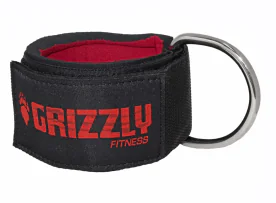
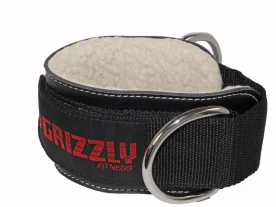
Cable attachments expand what a functional trainer, cable crossover, or selectorized station can actually do. Straight bars, lat bars, tricep ropes, V-bars, stirrup handles, ankle straps, and ab straps all create different exercise options without taking up meaningful floor space.
Toning bars work especially well in group fitness, circuit training, rehab-supportive strength work, and grab-and-go programming where simple fixed-weight resistance is more useful than loading plates.
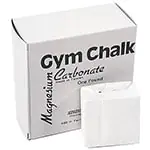
Chalk is one of the simplest ways to improve grip under heavy loads. It is especially useful for deadlifts, Olympic lifts, pull-ups, and other movements where sweat or humidity can reduce bar control before the target muscles are fully trained.
Hand grippers help build crushing grip strength, forearm endurance, and carryover for bigger lifts and sports demands. They are especially useful when grip fatigue gives out before the back, hips, or legs do.
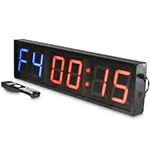
Timers structure work periods, rest periods, circuits, coaching sessions, and conditioning intervals. In group or tactical environments, they often improve the flow of the room more than another small implement would.
This category focuses on non-invasive recovery-support accessories such as ergonomic supports and FDA-cleared red light therapy devices. These are not replacements for medical care, but they can be relevant when a facility wants supportive comfort and recovery tools alongside training equipment.
PlateMate magnetic add-on weights help solve the problem of jumps in resistance that are too large for safe progression. They are especially useful for micro-loading dumbbells, barbells, and certain selectorized weight stacks when compatible surfaces are available.
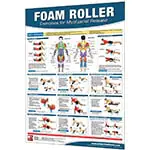
Wall charts give rooms a simple, visible way to support exercise education, technique reminders, and at-a-glance programming. They are especially useful in schools, community rooms, wellness spaces, and facilities with a broad range of user ability levels.
This category serves two very different needs: trunk-bracing support for heavy lifts and progressive neck training for strength or contact-sport environments. Buyers should choose between leather, lever, contoured, or nylon belt styles based on how and where the belt will be used.
Gloves make sense when callus control, wrist support, or hand comfort matters more than direct skin-to-bar feel. They are especially common in higher-volume, cross-training, or circuit-based environments.
Straps, wraps, sleeves, and lifting hooks help when grip, wrist stability, or joint compression becomes the limiting factor in heavy training. This category is especially relevant for deadlifts, presses, squats, Olympic lifts, and higher-intensity programs.
In-Depth Analysis: Sourcing by Accessory Sub-Category
Every equipment category demands specific attention to material properties, design metrics, and mechanical application.
Barbell Pads
Barbell pads spread compressive weight across a wider anatomical surface area.
- Ergonomic vs. Traditional Profiles: Traditional cylindrical models like the CAP Barbell Velcro Barbell Pad (MAB-105) offer quick utility via a simple wrap design for high-turnover home gyms or light commercial settings. Conversely, contoured injection-molded designs like the Body-Solid Manta Ray Barbell Pad (MR136) snap directly onto the bar, contouring precisely to the lifter's traps to distribute force away from the cervical vertebrae during squats.
- Material Resilience: Low-grade open-cell foam collapses under heavy loads, rendering the padding useless. Commercial facilities must opt for dense, closed-cell foam or custom polyurethane structures that retain their shape and thickness under extreme structural loads.
Cable Attachments
Cable handles are the direct interface between the lifter and the machine's internal resistance profile.
- Steel vs. Aluminum Construction: Traditional solid steel attachments, such as the Body-Solid Pro-Grip Cable Attachments (BSTMBRG) or the heavy-duty Ivanko Cable Attachment Bundles, provide high tensile strength and durability. However, modern high-end training ecosystems frequently specify precision-machined, high-strength aluminum handles, like the American Barbell Revolving Urethane Cable Attachments. Aluminum handles reduce the dead weight of the attachment itself, so the user feels more of the machine's weight stack and less of the handle.
- Grip Interfaces: Knurling offers a direct tactile connection for bare hands, but it requires regular sanitization. Urethane-molded grips or the Body-Solid Ergo Wing Handles (MB612P / MB613N) position the hands to reduce wrist shear and resist peeling or tearing in commercial use.
Fitness Toning Bars
Fixed-weight fitness bars streamline high-volume group environments by eliminating the time spent changing small plates.
- Structural Engineering: The Body-Solid BSTFB Weighted Fitness Bars and the CAP Barbell Definity Weighted Workout Bars use a single, solid iron or steel core.
- Exterior Shielding: The metal core must be fully encased in non-porous, texturized rubber or specialized high-density foam. This shielding resists moisture from sweat, resists tearing, and is color-coded at the end caps so coaches can identify resistance levels across a crowded room.
Gym Chalk and Chalk Bowls
Proper moisture control is the foundation of high-level manual security during maximum-effort pulling.
- Chemical Purity: Apollo Athletics Magnesium Gym Chalk Blocks and Grizzly Athletic Gym Chalk Blocks are magnesium carbonate block chalk; the composition is listed on each product page. Magnesium carbonate binds to the ridges of the hand and dries sweat.
- Dust Containment: To keep this fine powder from spreading across a commercial facility, pair loose block chalk with a commercial station like the Legend Fitness Standing Weightlifting Chalk Bowl/Pedestal (3259). These steel pedestals are weighted at the base against tipping and have a rim to contain chalk spray within the bowl; the specifications are listed on the product page.
Hand Grippers
Forearm strength and squeezing endurance dictate how efficiently force is transferred from the primary movers into the barbell.
- Spring Calibration: Industrial grip trainers like Heavy Grips Professional Hand Grippers are built with highly calibrated, high-tensile spring steel coils. This steel resists torque degradation, so the closing force stays consistent over many repetitions.
- Handle Surface: Aircraft-grade aluminum handles with diamond-pattern knurling give a non-slip grip that prepares tactical athletes and competitive lifters for the coarse steel of competition barbells.
Interval Timers and Stopwatches
Automated pacing structures the metabolic output of advanced group training programs.
- Visual Clarity: Commercial gym clocks, such as the Body-Solid STT45 Strength Training Time Clock or multi-function digital LED arrays, use high-intensity, multi-segment displays that can be read from across a large room, even in brightly lit spaces; the display specifications are listed on the product page.
- Programming Flexibility: Modern timing units must support complex scheduling protocols, including Tabata, customized HIIT intervals, count-up/count-down timers, and standard rest-period enforcement, giving instructors control over the room's operational flow.
Non-Surgical Pain Management
Recovery is as important as structuring progressive training volume.
- Ergonomic Postural Aids: For corporate wellness, active rehab, or personal recovery spaces, tools like the EcoWise Ergonomic Spine Support Cushion or the Aeromat Elite Height Adjustable Ball Chair provide non-invasive structural feedback. They help preserve lumbar alignment and activate core musculature during extended periods of sitting.
- Advanced Therapeutic Technology: For deep-tissue recovery, clinical spaces use FDA-cleared red-light devices like the Lumaflex Body Pro and Lumaflex Essential Wearable Wraps. These devices are marketed for recovery between heavy training blocks; the manufacturer's indications and clearance are listed on each product page.
PlateMate Add-On Weights
Safe, long-term strength progression requires small, precise increases in resistance rather than large, generic weight jumps.
- The Micro-Loading Principle: Standard five-pound jumps on dumbbells are a 50% increase in load for a ten-pound weight, which can compromise form or strain surrounding tissues. Utilizing a PlateMate 2.5 lb. Donut or Brick Magnetic Add-On Weight allows lifters to progress smoothly in fractional increments.
- Surface Limits: These micro-loading tools rely on powerful neodymium magnetic rings or bars. They stick to precision-machined solid steel dumbbell handles and raw iron plate faces, but they will not adhere to thick rubber-encased or urethane-shielded free weights.
Weight Belts and Head Harnesses
When intra-abdominal pressure demands external bracing, the materials used must be rigid.
- Belt Craftsmanship: Belts like the Pioneer Cut Leather Powerlifting Belts or USA-Made IRON COMPANY Leather Weight Training Belts are constructed from vegetable-tanned sole leather; the leather is described on each product page. Available in 4-inch or 6-inch widths, they provide a rigid wall for the abdominal musculature to brace against; the thickness is listed on each product page. Heavy-duty steel prongs or lever mechanisms keep the belt locked under internal pressure; the lever belts are on the grid.
- Cervical Training Tools: For progressive neck training, choices like the Schiek 1500H Adjustable Nylon Head Harness or the IRON COMPANY Leather Head Gear Neck Builder use webbing, steel D-rings, and steel chains; the materials are listed on each product page. This construction lets lifters load the neck in a controlled way.
Weightlifting Gloves
Gloves help protect the skin from calluses and friction burns during high-volume metabolic conditioning loops.
- Anatomical Fit: Industrial fitness gloves like the Schiek 715 1/2 Finger Premium Padded Gloves or the Schiek Platinum Series 530 Gloves use high-grade synthetic leather or genuine amara palms paired with integrated gel padding. This combination cushions the hand and helps protect against high-friction blister points.
- Ergonomic Features: Some models include easy-off removal fins, breathable mesh backs for temperature regulation, and wrist wraps (as seen on the Schiek 425 Power Workout Gloves). This design supports the wrist while shielding the palms.
Weightlifting Straps, Wraps, and Sleeves
This category provides targeted joint insulation and grip support when training demands outpace the body's raw holding capacity.
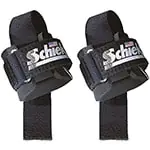
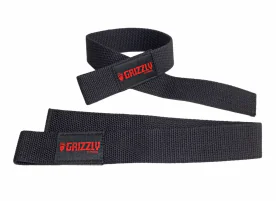
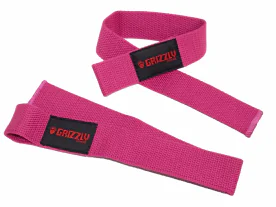
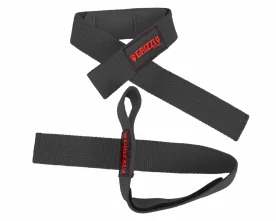
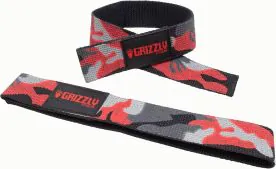
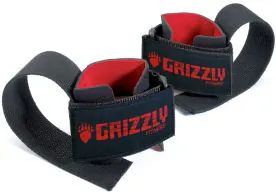
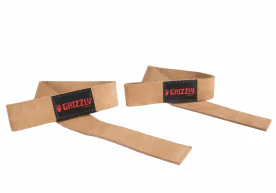
- Lifting Straps: Heavy pulling enhancements—ranging from the basic Schiek 1000BLS Nylon Weightlifting Straps to the heavy-duty Pioneer 2" Wide Black Cotton Lifting Straps and custom IRON COMPANY Leather Straps—let lifters bypass grip fatigue. This allows fuller muscle recruitment in the upper back and hamstrings during heavy rows and deadlifts.
- Joint Wraps: Stiff elastic supports, like Schiek White Line Wrist Wraps or heavy-duty Schiek 1152 52" Elbow Wraps, anchor the surrounding joints during maximum pressing movements and absorb rotational forces.
- Compression Sleeves: Engineered from multi-ply neoprene, tools like the Schiek 1150KS Perforated Neoprene Knee Sleeves or Schiek 1136ES Elbow Sleeves deliver consistent compression and trap surface heat. This warmth is used for joint comfort during complex movements.
Featured Gym Accessories
Helpful Accessory Guides
On lifting straps, two further IRON COMPANY articles cover weightlifting straps and retrieved negatives for a stalled deadlift (Marty Gallagher, February 13, 2021) and whether weightlifting straps are necessary for dumbbell and barbell training (IRON COMPANY Editorial Team, October 19, 2015), which places straps on pulling movements where grip becomes the limiting factor.
Support Categories for a Better Training Room
Gym Accessories Shipping Protocols: Essential Logistics for Residential, Commercial & Government Deliveries
When upgrading a training facility or building out a home gym, selecting the right gear is only the first step. Understanding how your equipment travels from our warehouses to your training floor helps the delivery go smoothly. At IRON COMPANY, we have supplied gym equipment and flooring since 1997. We treat transit logistics with close attention to detail.
Our gym accessories collection represents a diverse mix of sizes, weights, and functional configurations. While individual body-worn items or compact grip tools travel easily via small parcel services, larger orders, bundle packs, heavy cable attachments, or commercial rack systems move through our structured freight shipping network. This guide gives an overview of our logistics procedures across all customer touchpoints—including residential homes, commercial health clubs, and federal government or military installations.
Direct Doorstep Delivery: Ground Parcel Logistics
The vast majority of functional accessories are compact and light enough to fit within standard courier guidelines. For these items, customers can expect straightforward, efficient small-parcel service.
- Ground Parcel Eligibility: Individual items and standard packages—including barbell pads, gym chalk, chalk bowls, hand grippers, interval timers, non-surgical pain management tools, magnetic add-on weights, weight belts, head harnesses, weightlifting gloves, weightlifting straps, and protective support gear like knee, elbow, or wrist wraps and sleeves—are compact enough to ship via standard ground parcel channels such as UPS, FedEx, or USPS. They are delivered directly to your doorstep or facility mailroom exactly like a typical retail delivery.
- Multi-Item Packaging Strategies: When ordering multiple individual items or customized gear bundles, your shipment may be distributed across one or multiple boxes. Our fulfillment centers distribute weight and volume per carton so that heavy steel cable attachments or dense weighted fitness bars are less likely to shift against lighter items inside the package.
Palletized Cargo: Less-Than-Truckload (LTL) Freight Requirements
When accessory orders scale into bulk weights or when cumulative products exceed standard parcel carrier dimensional limits, they are moved to our professional freight network. High-volume purchases, commercial cable attachment bundles, heavy weighted fitness bars, full mat sets, and structural storage equipment like mobile mat racks or multi-piece commercial club packs require specialized palletized logistics.
- LTL Freight Determinations: Orders that exceed the strict dimensional thresholds or max weight limitations of standard parcel carriers are classified as Less-Than-Truckload (LTL) freight shipments. Rather than traveling loose in a courier van, these shipments are secured onto a standard or custom-made wooden pallet. Products are professionally stacked, strapped down tightly with heavy-duty plastic or metal banding, and wrapped securely in commercial-grade shrink-wrap to shield product finishes, maintain stability, and limit shifting during transit.
- Delivery Scheduling and Notifications: All LTL freight shipments require structured delivery arrangements. Once the freight arrives at your local regional terminal, the carrier will issue a mandatory 24-hour notification call to set up a specific delivery date and an agreed-upon appointment window. This policy applies uniformly to all home addresses, commercial businesses, and government or military logistics points.
- Curbside Liftgate Deliveries: Unless your drop-off location features a commercial loading dock or an on-site forklift with a trained operator, your order will include roadside liftgate service. The delivery driver will position the pallet onto a hydraulic platform at the back of the truck to safely lower the cargo down to ground level for a standard curbside delivery.
- Facility Maneuvering Protocols: Standard freight drivers are responsible for curbside drop-off only and do not bring freight past the threshold of your home, facility door, or security gate. Because palletized freight shipments concentrate heavy, awkward mass into a single footprint, IRON COMPANY strongly recommends organizing an extra set of hands or a team of helpers on your scheduled delivery day to break down the pallet and carry the gear indoors.
- Specialized Transport Tools: To move heavy cable machine bars, weighted fitness bars, or full mat shipments inside, we recommend having proper transport equipment ready at the time of delivery. Specialized moving tools—such as a heavy-duty furniture moving dolly, an appliance hand truck with protective straps, or a stable panel cart—reduce physical strain and help avoid entry door damage.
Preparing for Receiving and Organization
Once your gear arrives past your facility threshold, a methodical setup keeps your investment in good condition and your training floor organized.
- Pre-Assembly Component Inventories: Mobile storage items, such as hanging mat racks, arrive flat-packed to protect the frames during freight transit. Before beginning setup, carefully unbox all parts and lay out your fasteners, frame joints, upright bars, and support brackets to verify everything is accounted for according to the factory layout guide.
- Assembly Tool Recommendations: While basic, light-duty factory assembly wrenches are often enclosed with hardware kits, relying on professional-grade hand tools is highly recommended. Your own socket sets, adjustable wrenches, and a non-marring dead-blow mallet provide the leverage to properly seat structural bolts. Tightening every joint helps protect the powder-coat finishes from wear and readies the frame for daily facility use.
Need Professional Sourcing and Logistics Assistance?
Whether you are designing a compact home workout space, outfitting a commercial health club, or managing a large-scale federal procurement project, managing shipping logistics doesn’t have to be a guessing game. Our sales representatives are available to assist you with custom volume quotes, transit planning, and specialized freight requests.
- Browse the full collection through the grid pages above.
- For custom freight quotes, specialized government routing information, or direct order tracking assistance, please visit our Customer Care page or speak with a logistics coordinator by calling 1-888-758-7527.
Common Buyer Questions
- What accessories are best for cable machines?
- Straight bars, lat bars, tricep ropes, stirrup handles, ankle straps, and ab straps are usually the most useful cable-machine upgrades because they expand exercise variety without changing the machine itself.
- Are these accessories suitable for commercial gyms?
- Many IRON COMPANY accessories are built for commercial or institutional use, but the best fit depends on the material, construction, and how heavily the accessory will be used each day.
- Can gym accessories be used in home gyms?
- Yes. Accessories are one of the most cost-effective ways to improve a home gym because they increase exercise options without requiring another large machine.
- Are gym accessories available for government purchase?
- Many accessories are available for institutional and government purchasing through IRON COMPANY. Product-level eligibility should always be confirmed when needed.
- Do I need chalk, straps, and gloves, or just one of them?
- They solve different problems. Chalk improves grip by reducing moisture, straps help when grip limits heavier pulling, and gloves help with palm comfort and friction control.
- Will PlateMate work on all weights?
- No. PlateMate is designed for compatible bare iron or steel surfaces and does not attach to every rubber-coated or urethane-coated product. Neodymium add-on weights give a path to linear strength progression, but they require a compatible, unshielded metallic surface to hold. Precision instruments like the PlateMate 2.5 lb. Donut Magnetic Weights operate via powerful magnetic attraction, meaning they will completely fail to stick if applied to thick urethane-coated or heavy rubber-encased dumbbells. Facility managers must audit their current room inventory prior to procurement; these fractional plate-breakers must be paired exclusively with bare cast iron plates, metal selectorized weight stacks, or solid steel dumbbell handles to avoid a plate sliding off mid-exercise.
- When should I use a lifting belt?
- A belt is most useful during heavier squats, deadlifts, presses, and similar lifts when the lifter already knows how to brace properly and wants a firmer surface to push the abdominal wall against.
- Will lifting accessories cause raw muscle weakness or structural joint dependency?
- No, when properly integrated into your training blocks, specialized equipment functions as a targeted loading multiplier rather than an anatomical crutch. Personal support tools are engineered for high-threshold overloads where an isolated secondary link threatens to give out early. For example, strapping into a pair of IRON COMPANY Natural Leather Weightlifting Straps (LS1524) or Pioneer 2" Wide Heavy Duty Cotton Straps keeps the hands from slipping during heavy deadlifts. This lets you recruit the upper back and hamstrings fully without hand fatigue cutting the set short. Heavy weightlifting straps bypass grip fatigue but can slowly weaken holding power if used on every light set; simply perform your early warm-up blocks raw to preserve baseline holding endurance before deploying heavy canvas borders.
- How should I evaluate equipment specifications against my personal layout or facility budget?
- Evaluating your available budget along with key features, technical specifications, user reviews, shipping information, and manufacturer warranties helps you choose gym accessories suited to your facility. Home gym accessories often fail commercial durability guidelines under heavy structural use when buyers mistake complex personal support gear for multi-user facility solutions. Conversely, selecting complex accessories before establishing basic training equipment wastes essential room layout footprint. Residential setups achieve high efficiency from micro-loading tools or a pair of space-saving Grip4orce Trainer Bar Grips, while commercial operators should select organized storage solutions, like the matte black TKO Commercial Cable Attachment Rack (848ACR-BK), to keep public floors clean and secure.
- What is the true biomechanical purpose of a weightlifting belt during maximum compound sets?
- Thick leather weightlifting belts support your abs, lower back, and core when executing heavy, maximum-effort top sets of squats and deadlifts by providing an unyielding external wall. A common training mistake is wrapping a belt tightly around your waist expecting it to passively cushion or mechanically hold the lumbar spine in place. Standard leather weight belts will not substitute for proper deep core bracing. Belts such as the 4" All Leather Pioneer Cut Powerlifting Belt or the single-prong 6.5mm Thick Leather Deadlift Belt by IRON COMPANY (BB3) require the trainee to brace the abdominal wall outward against the leather to build a rigid torso under heavy loads.
- Can a foam barbell pad alleviate shoulder pain without throwing off my squat setup?
- Beginning lifters can use foam barbell pads, like the CAP Barbell MAB-105, to comfortably alleviate neck and shoulder pain during barbell squats, but they are not an alternative to sound mechanics. Over-relying on basic foam rollers long-term can introduce skeletal issues because thick barbell pads mask bad lifting technique rather than fixing poor setup mechanics. They artificially elevate the bar, shifting its position away from your true skeletal center of gravity and altering your mechanical leverage. Use an ergonomic foam pad as a temporary tool to build skin tolerance, or transition to the hard-shell Body-Solid MR136 Manta Ray Barbell Pad, which molds across the traps to distribute force without rolling.
- Will standard cable attachments offer functional variety across contrasting pulley systems?
- Choosing the right cable attachments turns selectorized machines into dynamic training tools, but they require an established machine system to offer any functional utility. Hooking an ergonomic handle, such as the Body-Solid MB613N Ergo Wing Narrow/Pronated Lat/Row Handle or a solid American Barbell Revolving Solid Curl Bar, into a high-tensile pulley system opens up unique muscle-targeting lines. However, standard cable attachments will not offer functional variety without a matching machine. Facility buyers must prioritize anchoring down their foundational functional trainer, cable crossover, or selectorized jungle gym before selecting complex add-on handles. Setups like the Ivanko CSAB1 Cable Attachment Bundle #1 supply a matched set of attachments.
- How can commercial fitness center operators contain loose gym chalk while maintaining room cleanliness?
- Loose magnesium carbonate block chalk improves hand friction by drying sweat, but it needs a containment bowl to limit particulate dust migration. Allowing powerlifters or gymnasts to handle blocks over open rubber gym flooring leads to micro-fine residues that quickly migrate into air filtration systems and coat delicate electronic consoles. Block chalk like Apollo Athletics Magnesium Gym Chalk Blocks kept in a heavy-gauge steel column like the Legend Fitness 3259 Standing Weightlifting Chalk Bowl/Pedestal stays contained, reducing cleanup labor.
- What are the practical safety boundaries when deploying non-surgical pain management recovery gear?
- FDA-cleared non-surgical pain management tools, like the Lumaflex Body Pro, are used at home or work as supportive recovery aids rather than cures; the manufacturer's indications are listed on the product page. Red-light therapy devices and ergonomic alignment cushions are used for daily comfort. However, non-surgical pain management tools provide therapeutic comfort but never replace training or direct orthopedic intervention. For settings handling acute structural tears or severe trauma, a clinician-directed program takes priority.
- Can an adjustable nylon head harness build neck strength for contact environments?
- Yes, strengthening the neck with an adjustable nylon head harness, like the Schiek 1500H, is used in tactical occupations, but it requires slow progression. The neck should be loaded slowly and progressively. Utilizing a padded nylon builder or a heavy-duty steel-chain setup, like the CAP Barbell MA-307 Genuine Leather Head Harness, allows military personnel, first responders, and contact athletes to systematically introduce gradual resistance. This conditions the neck evenly without sudden overload.
- What is the functional difference between heavy joint wraps and flexible compression sleeves?
- Heavy elastic joint wraps are engineered to supply a powerful elastic mechanical rebound under absolute maximum loads, whereas neoprene sleeves focus on joint warmth and fluid lubrication. Stiff elastic bands, like Schiek 1152 Heavy-Duty 52" Elbow Wraps or heavy powerlifting knee wraps, temporarily restrict joint extension to stabilize the limbs under top-set payloads and must be loosened between sets. Stiff knee wraps restrict natural joint extension if wrapped too tightly early in a workout, or reduce raw muscle involvement during explosive pressing blocks if used excessively. Conversely, neoprene knee sleeves or elbow sleeves keep the joints warm during explosive resistance training. Breathable compression options, such as Schiek 1140KS Neoprene Compression Knee Bands or Schiek 1136ES Neoprene Elbow Sleeves, enhance joint comfort rather than curing tendonitis, and suit sustained wear throughout full metabolic circuits.
- How do high-visibility digital interval timers improve group training and facility flow?
- Digital interval timers need high-visibility placement to regulate class pacing and keep work and rest intervals on schedule. Deploying a bold system, like the plate-shaped Body-Solid STT45 Strength Training Time Clock, allows coaches to synchronize multiple athletic divisions simultaneously. Placing them in visible wall areas keeps clients from guessing their recovery windows and keeps high-turnover circuit blocks on schedule.
- Do fixed-weight fitness toning bars require secondary organizational assets in home or commercial rooms?
- Fixed-weight fitness toning bars offer a maintenance-free workout without needing tedious weight or plate changes, but they need dedicated rack storage so they do not roll. Implementing compact resistance poles, such as Body-Solid BSTFB Weighted Fitness Bars or CAP Barbell Definity Workout Bars, suits group rehabilitation or grab-and-go conditioning work. However, heavy fitness toning bars need dedicated gym storage so they do not roll. Without a secure, multi-tier floor frame or stable storage corral, loose weighted cylinders can roll across open rubber flooring, creating hazardous underfoot tripping points for your clientele.
- How do padded weightlifting gloves guard against palm trauma without ruining direct bar feel?
- Padded weightlifting gloves shield the palms to reduce friction blisters and calluses during higher-volume or circuit-based blocks. A double-stitched leather palm design, like the Schiek 715 1/2 Finger Premium Padded Gloves or the Schiek 415 Power Series Gloves, forms a barrier against steel knurling. Trainees must note that padded weightlifting gloves compromise raw skin-to-bar friction for heavy lifts; for maximum-threshold powerlifts, bare contact with gym chalk gives more friction, while for high-volume cross-training or barbell handles, padded leather shields the palms.
- What anatomical positioning is required when executing heavy wraps with supportive elastic wrist wraps?
- Supportive elastic wrist wraps, such as the Schiek White Line, anchor the carpal bones under compressive loads, but placement must be precise. Trainees frequently bind their wrist wraps too low down on the forearm, leaving the actual joint hinge unprotected. Elastic wrist wraps require proper anatomical positioning above the joint for stability. To achieve true structural reinforcement under heavy bench presses or overhead locks, the heavy-duty elastic band must partially cover the base of the palm, binding the carpal bones to the radius and ulna to limit joint hyperextension.
- When should a facility coordinator transition from residential gear to heavy-duty institutional accessories?
- Commercial fitness club managers must strictly select accessories labeled for commercial or institutional use to survive continuous, multi-user facility wear items. Sourcing a light residential wrap or economy padding for a high-traffic government base or public training center can result in rapid material splitting and frequent replacement costs. Heavy-duty solid steel attachments, polyurethane-wrapped handles like the American Barbell Revolving Solid Bent D-Lat Pulldown Bar, or Grizzly Bear Hugger Weight Belts are built for continuous daily volume.
Why Buy Gym Accessories from IRON COMPANY
IRON COMPANY has supplied gym equipment and flooring solutions since 1997 and serves residential, commercial, vertical-market, institutional, military, government, and facility buyers. The Accessories category is built around practical upgrades that solve real training problems, improve room function, and help buyers get more out of the equipment they already own.
That matters whether you are outfitting a home gym, replacing commercial wear items, adding instructional tools to a school room, or sourcing support gear for a larger government or institutional project. Instead of treating accessories like an afterthought, IRON COMPANY helps buyers choose the items that actually match their machines, lifts, and room layout.
IRON COMPANY supplies gym accessories for garage gyms, personal training studios, high schools, collegiate weight rooms, multi-unit housing complexes, hotel fitness spaces, commercial health clubs, sports performance centers, corporate wellness hubs, medical rehabilitation facilities, VA hospitals, and federal procurement clients. Since 1997, IRON COMPANY has supplied supportive gear, training tools, and target implements to training rooms worldwide.
Whether we are outfitting a gym newcomer looking for protective palm coverage or equipping experienced athletes pushing past a strength plateau, our catalog serves facility operators and individual lifters alike. We supply and distribute high-utilization wear items and specialized strength tools—including ergonomic barbell pads, revolving cable attachments, fixed-weight fitness toning bars, high-grade gym chalk, structural chalk bowls, crushing hand grippers, visible interval timers, non-surgical pain management recovery tools, PlateMate micro-loading add-on weights, supportive weight belts, progressive head harnesses, padded weightlifting gloves, weightlifting straps, and heavy-duty knee wraps, elbow wraps, wrist wraps, knee sleeves, and elbow sleeves.
Federal government and military procurement officers purchase gym accessories through our GSA contract (GSA 47QSMA22D08NN) as well as directly from the IRON COMPANY website; GSA and TAA status is confirmed per product before a GSA order. Trade Agreements Act (TAA) compliance means that products supplied to United States federal government agencies and military installations are manufactured or substantially transformed in the United States or in a designated country under the Trade Agreements Act. Government buyers can confirm each product's status before ordering.
We source our gym accessories from established fitness equipment manufacturers. Gym accessories across our category pages include specialized configurations, support gear, and commercial-grade items from Schiek Sports, Grizzly Fitness, Body-Solid, American Barbell, CAP Barbell, Apollo Athletics, Heavy Sports, Serious Steel, Pioneer (General Leathercraft), Lock-Jaw, Grip4orce, Aeromat, EcoWise, and Lumaflex.
The warranty terms are listed on each product page. Residential, commercial, and federal government clients have ordered from IRON COMPANY since 1997.
- Browse the full collection through the grid pages above.
- For custom freight quotes, specialized government procurement requests, or direct ordering assistance, please visit our Customer Care page or speak with a coordinator by calling 1-888-758-7527.
Need Help Choosing the Right Gym Accessories?
If you are comparing cable attachments, lifting support gear, timers, chalk, micro-loading tools, recovery-support accessories, or training-room add-ons, contact IRON COMPANY for product guidance, package quotes, and help matching accessories with your current equipment and training goals. For ordering and support information, visit Customer Care.
Read Less