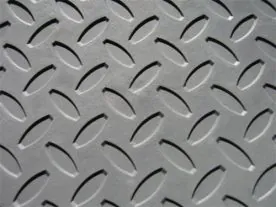
Rubber Gym Mats
Rubber Gym Mats for Home, Commercial, School, and Facility Gyms
Rubber gym mats from IRON COMPANY include heavy-duty 4' x 6' rubber mats, 4' x 8' deadlift mats, cardio equipment mats, interlocking stall-style mats, bulk pallet mat options,... Read More
Rubber Gym Mats for Home, Commercial, School, and Facility Gyms
Rubber gym mats from IRON COMPANY include heavy-duty 4' x 6' rubber mats, 4' x 8' deadlift mats, cardio equipment mats, interlocking stall-style mats, bulk pallet mat options, and specialty impact-control flooring products for home gyms, garage gyms, school weight rooms, commercial fitness centers, tactical training spaces, government fitness facilities, and institutional training rooms.
Rubber gym mats are commonly used under free weights, power racks, squat stands, weight benches, selectorized machines, treadmills, cardio equipment, deadlift stations, and high-traffic training zones. Choosing the right mat depends on the subfloor, mat thickness, mat size, material construction, odor expectations, surface texture, training style, equipment weight, freight requirements, and whether the project needs targeted coverage or a full-room flooring layout.
Use this category to compare straight-edge rubber mats, interlocking rubber mats, deadlift mats, utility stall-style mats, cardio equipment mats, and bulk gym flooring mat packages. IRON COMPANY has supplied gym equipment and flooring solutions since 1997 and supports residential, commercial, vertical-market, military, government, institutional, and facility buyers with flooring guidance, quoting, product sourcing, and facility planning support.
How to Choose the Right Rubber Gym Mats
The right rubber gym mat starts with the way the training space will be used. A garage gym with one power rack may only need targeted 4' x 6' or 4' x 8' mat coverage. A school weight room or commercial gym may need multiple 3/4" mats, interlocking tiles, rolled rubber flooring, or a combination of rubber flooring rolls and heavier mat zones. A deadlift station, Olympic lifting area, or heavy dumbbell zone usually needs more impact planning than a light cardio equipment area.
Mat thickness should match the training demand. Thinner rubber mats may be useful under cardio equipment, light strength equipment, and general floor protection. Thicker 1/2" and 3/4" rubber mats are often considered for free weight areas, power racks, deadlift zones, and equipment spaces where heavier contact or accidental drops may occur. No mat thickness should be treated as a guarantee against all floor, subfloor, sound, or vibration issues, so buyers should plan conservatively for the real use of the space.
Buyers should also compare mat size, weight, edge style, material, surface texture, smell, installation method, cleaning method, and shipping format. A 4' x 6' x 3/4" mat can weigh close to 100 lb. depending on construction, which helps it stay in place but also affects delivery, carrying, layout, and installation. Bulk pallet orders can be a strong value for larger projects, but they require freight planning and receiving preparation before shipment.
All rubber gym mats are created equally. Not so! On the surface, most people just see the color and texture of mats. But there are two materials most frequently used to make rubber gym mats; recycled crumb rubber and vulcanized rubber.
When purchasing 4' x 6' x 1/2" gym mats, buyers frequently confuse recycled crumb rubber with vulcanized rubber.
Recycled Crumb Rubber: Made by bonding shredded tire granules together with polyurethane glue under basic pressure. It is slightly softer underfoot but semi-porous and physically weaker.
Vulcanized Rubber: Fused at a molecular level using extreme heat, sulfur, and high pressure.
Vulcanized rubber mats have substantially higher tensile and tear strength than recycled crumb rubber mats and are far less porous; crumb rubber mats are softer underfoot, semi-porous and usually less expensive.
Best used for:
- Recycled Crumb Mat: Cardio areas, stretching zones, and budget home setups.
- Vulcanized Mat: Heavy lifting zones, commercial clubs, and tactical base gyms.
Application: Match your flooring material to your facility's traffic level and training velocity.
Rubber mats are not heavy. This is also not true. As an example, the approximate weight per square foot by thickness is as follows: 1/4": ~1.2 to 1.5 lbs/sq ft, 5/16": ~1.6 to 1.8 lbs/sq ft, 8mm: ~1.8 to 2.0 lbs/sq ft, 3/8": ~2.0 to 2.3 lbs/sq ft, 1/2": ~3.0 to 3.4 lbs/sq ft, 3/4": ~4.0 to 4.5 lbs/sq ft. This means a 4’ x 8’ x ¾” deadlifting mat weighs about 128 lbs.!
Compare Rubber Gym Mat Types
Rubber gym mats are not all the same. Use the stacked comparisons below to decide whether standard rubber mats, deadlift mats, interlocking mats, cardio equipment mats, advanced shock-control tiles, or palletized stall-style mats are the right fit for your training space.
Standard 4' x 6' Rubber Gym Mats
Best fit: Garage gyms, basement gyms, free weight areas, under-equipment zones, squat racks, benches, dumbbell stations, and small commercial training spaces that need targeted rubber floor coverage.
Buyer guidance: Choose standard rubber gym mats when you want a drop-in flooring option that can be loose-laid in key training zones. Compare thickness, material, edge quality, weight per mat, odor expectations, and whether the mat will be used as localized protection or part of a larger floor layout.
Heavy-Duty Deadlift and Weightlifting Mats
Best fit: Deadlift stations, Olympic lifting zones, power racks, garage gyms, school weight rooms, commercial strength areas, and training spaces where heavy free weights may contact the floor.
Buyer guidance: Choose deadlift mats when targeted impact planning matters more than full-room coverage. Products such as 4' x 8' x 3/4" deadlift mats and interlocking deadlift mat systems can help create a defined lifting zone. Pair these mats with appropriate lifting technique, room clearance, and facility rules; no rubber mat should be described as eliminating all vibration, impact noise, or structural transfer.
IRON COMPANY’s article on the SHOK-LOK rubber mat system describes its re-vulcanized construction, waffle-pattern base and interlocking tiles.
Interlocking Rubber Tiles and Stall-Style Mats
Best fit: Larger loose-laid room layouts, commercial weight rooms, garage gyms, CrossFit-style training areas, and buyers who want mat edges or tiles to connect more securely than straight-edge mats.
Buyer guidance: Choose interlocking rubber tiles or interlocking stall-style mats when edge alignment and loose-laid modular coverage are priorities. Interlocking designs can help reduce mat movement compared with straight-edge mats, but buyers should verify manufacturer, pattern compatibility, actual dimensions, and batch consistency before expanding an older layout.
Each year IRON COMPANY delivers tons of 4’ x 6’ and 4’ x 8’ stall mats to garage gyms and CrossFit boxes all over the US. These mats are often one of the most affordable gym flooring solutions and can easily be changed out individually if one gets damaged.
IRON COMPANY frequently supplies large quantities of 4’ x 6’ x ¾” mats to farms, the equine industry, and even zoos.
Cardio Equipment Mats
Best fit: Treadmills, exercise bikes, ellipticals, rowers, light cardio equipment, home fitness rooms, apartment gyms, and areas where the goal is equipment footprint coverage rather than free weight impact protection.
Buyer guidance: Choose cardio equipment mats when the main need is to place a mat under a specific machine. Many cardio mats are thinner than heavy weightlifting mats and are not substitutes for 1/2" or 3/4" rubber free weight zones. Compare mat dimensions, material, thickness, equipment footprint, and the surface underneath before ordering.
Advanced Impact-Control and Safety Tile Flooring
Best fit: High-impact training areas, strength zones, facilities concerned about impact control, and projects where standard mats may not provide enough planning depth for the intended use.
Buyer guidance: Choose advanced safety tiles or performance flooring products when a facility needs a more specialized flooring system than ordinary rubber mats. Review product-specific installation requirements, surface details, tested performance claims, thickness, and manufacturer documentation before specifying these products for demanding environments.
Bulk Rubber Mat Pallets
Best fit: Larger home gym builds, school weight rooms, commercial facilities, utility training spaces, and buyers who need many mats at once instead of buying individual mats one at a time.
Buyer guidance: Choose bulk pallet rubber gym mats when the project needs broader coverage and the receiving site can handle heavy freight. Pallet products may have minimum quantities, special shipping rules, or seconds-quality terms, so review the product page carefully before ordering.
Match Rubber Gym Mats to Training Zones
Garage Gyms and Basement Gyms
Garage gym and basement gym buyers usually need rubber gym mats that protect concrete or finished surfaces from normal equipment use, help organize lifting zones, and hold up to repeated training. Standard 4' x 6' mats, 4' x 8' deadlift mats, and interlocking rubber tiles can all work depending on the room layout, humidity, ventilation, mat weight, and whether the buyer wants localized coverage or a larger wall-to-wall layout.
Deadlift Areas, Power Racks, and Free Weight Zones
Deadlift stations, squat racks, power cages, dumbbell areas, and Olympic lifting zones require more mat planning than general exercise spaces. Heavy free weights concentrate force into small contact areas, especially when bars, plates, or dumbbells are dropped or set down hard. Use thicker rubber mats, lifting platforms, or dedicated impact zones where heavy free weight use is expected, and do not rely on a thin equipment mat for high-impact strength training.
We have installed both recycled and vulcanized rubber gym mats all over the United States in garage gyms to military fitness installations. These mats are typically utilized in heavy free weight areas near dumbbell and barbell drop zones. 4’ x 8’ x ¾” mats are widely used in weightlifting platforms to protect floors from heavy impact during deadlifts and Olympic weightlifting.
Commercial Gyms, Schools, and Training Studios
Commercial gyms, schools, studios, and institutional fitness rooms should plan rubber mats around user traffic, cleaning routines, transitions, equipment layout, and replacement needs. Straight-edge mats can work well in individual zones, but larger layouts may need interlocking rubber tiles, rubber flooring rolls, adhesive, tape, transition strips, or a professional installation plan to reduce gaps, edge movement, and uneven walking surfaces.
Cardio Rooms and Equipment Rows
Cardio equipment mats are useful under treadmills, bikes, ellipticals, rowers, and other equipment where the goal is footprint coverage, sweat management, and general floor protection. They are not the same as heavy-duty weightlifting mats. For cardio rooms with several machines, buyers should compare individual equipment mats against rolled rubber flooring or full-room gym flooring based on equipment spacing, cleaning access, and long-term appearance.
Government, Tactical, and Institutional Fitness Facilities
Government, tactical, and institutional buyers should plan rubber gym mat orders around total pallet weight, delivery access, loading dock availability, liftgate needs, room layout, subfloor conditions, product-level purchasing eligibility, and quote requirements. IRON COMPANY can support bulk quoting and government purchasing where applicable. Product-level contract eligibility, freight details, installation needs, and purchasing requirements should be confirmed before ordering.
Best Fit and Not Ideal For
Best Fit
- Buyers who need targeted rubber floor coverage for free weights, racks, benches, machines, cardio equipment, deadlift zones, and garage gym training areas.
- Home gyms, garage gyms, school weight rooms, commercial gyms, apartment fitness centers, tactical training rooms, government fitness facilities, and institutional training spaces.
- Facilities comparing 4' x 6' rubber mats, 4' x 8' deadlift mats, interlocking rubber mats, stall-style mats, cardio equipment mats, and bulk pallet mat options.
- Buyers who need practical planning around mat thickness, freight, receiving, installation, storage, cleaning, transitions, and compatibility with free weights and strength equipment.
People and facilities that should purchase rubber gym mats:
- Commercial Training Facilities and Health Clubs: Line heavy-traffic weight rooms, selectorized machine lines, and member cardio decks to protect underlying concrete subfloors from heavy wear and tear.
- Olympic Weightlifting and Powerlifting Clubs: Build durable lifting platforms and dedicated dropping zones capable of absorbing repeated, high-impact deadlifts and overhead barbell drops.
- Home and Garage Gym Owners: Outfit personal workout spaces to deaden acoustic noise, protect foundation concrete from cracking, and give lifters a stable training surface.
- CrossFit Boxes and Functional Fitness Studios: Install heavy-duty flooring that withstands high-velocity dumbbell drops, intense kettlebell impact, and heavy medicine ball slams.
- Ice Rinks and Ski Chalets: Lay dense, non-porous rubber walkways to protect structural flooring from being chewed up by metal ice skate blades or ski boot cleats.
- Commercial Veterinary Clinics and Dog Daycares: Cover diagnostic rooms and play areas with dense rubber mats that give paws traction and are easy to clean.
- Commercial Warehouses and Assembly Lines: Provide anti-fatigue standing zones for employees working long shifts on hard concrete floors.
- Boutique Pilates and Yoga Studios: Place dense, interlocking mats underneath heavy reformer machines or equipment stations to prevent them from sliding or scratching hardwood floors.
Not Ideal For
- Buyers expecting any rubber mat to eliminate all impact noise, structural vibration, floor damage, or subfloor risk under extreme or repeated dropped loads.
- Facilities that need a seamless, professionally finished room appearance and do not want visible seams between mats.
- Rooms where moisture, odor sensitivity, ventilation, or subfloor condition has not been evaluated before installing heavy rubber flooring.
- Large commercial layouts that need glued-down flooring but are trying to use loose-laid mats without planning for seam movement, edge transitions, or traffic flow.
- Buyers who need verified fire rating, slip-resistance, VOC, recycled-content, Made in USA, GSA, or warranty claims but have not confirmed those claims for the exact product being ordered.
People and facilities that should not purchase rubber gym mats:
- High-End Boutique Studios with Shared Building Walls: If your facility sits directly above or next to quiet offices, rubber mats alone will not stop impact noise from traveling through the structure; plan acoustic underlayment or platforms as well.
- Buyers Sensitive to Odors: Recycled tire rubber mats carry a rubber odor for a time after installation; buyers sensitive to odors should plan ventilation or compare vulcanized or gym-specific rubber flooring.
- Outdoor Gyms Exposed to Direct, Unshaded Sunlight: Black rubber mats get hot in direct sun; plan shade or compare lighter-colored outdoor-rated flooring.
- Facilities Utilizing Heavy, Oil-Based Machinery: Do not install rubber mats in garage bays or maintenance spaces where petroleum, grease, or motor oils regularly drip, because oil chemical compounds rapidly dissolve and rot rubber.
- Tenants with Unsealed, Light-Colored Vinyl or Hardwood Flooring: Avoid placing cheap recycled rubber mats directly onto high-end residential floors, as the oils in the rubber will chemically migrate and permanently yellow or stain the underlying surface.
- Commercial Facilities with Restrictive Structural Weight Limits: Do not select thick, heavy rubber mats if your gym is located on an upper floor or mezzanine with a low load-bearing capacity, as large orders add thousands of pounds of dead weight.
- Hot Yoga and Specialized Wet Therapy Studios: Avoid traditional loose-laid or interlocking crumb rubber mats in ultra-humid rooms, because moisture can seep between the seams and sit underneath.
Do not buy rubber gym mats if precision and aesthetics are paramount in your space. For those seeking a high end floor with a tight fit, consider interlocking rubber tiles or rolled rubber.
Common Rubber Gym Mat Buying Mistakes to Avoid
- Choosing thin mats for heavy free weight zones: A thin cardio mat or light exercise mat may work under a machine, but it is not the same as a heavy rubber mat for deadlifting, power racks, dumbbells, or bumper plate zones. Match mat thickness and product type to the equipment and training style.
- Assuming all stall mats are the same: Some stall-style mats are built for utility use and may be very dense and economical, but buyers should review odor expectations, material, surface texture, actual dimensions, freight format, and indoor ventilation needs before using them inside enclosed home or commercial fitness spaces.
- Ignoring freight and mat handling: Individual 3/4" rubber mats can be heavy, and pallet quantities can weigh thousands of pounds. Before ordering, confirm whether the site needs a loading dock, liftgate, delivery appointment, pallet jack, hand trucks, or extra labor to move mats from the delivery point to the training room.
- Installing mats tightly against walls without planning movement: Loose-laid rubber mats can expand, contract, shift, or gap depending on temperature, humidity, subfloor condition, product construction, and installation method. Leave appropriate room for layout adjustment and follow product-specific installation guidance.
- Mixing interlocking systems without checking compatibility: Puzzle cuts, interlocking edges, thicknesses, and actual dimensions can vary by brand and production run. Do not assume a new interlocking tile or mat will connect perfectly with an older or different product line.
- Using harsh cleaners on rubber surfaces: Strong solvents, oil-based cleaners, bleach-heavy solutions, and incompatible chemicals may damage rubber or binders over time. Use cleaning products compatible with the product and follow manufacturer care instructions when available.
- Skipping subfloor checks: Damp concrete, uneven slabs, old adhesive residue, cracks, tack strips, and upper-level wood subfloors can all affect the finished layout. Address moisture, flatness, structure, and surface preparation before installing rubber mats or adhesive flooring systems.
Rubber Gym Mat Thickness, Size, and Layout Planning
Rubber gym mats are commonly selected by thickness and format. Some Black Confetti Rubber Gym Mat options are available in 4' x 6' and 4' x 8' sizes with several thickness choices, while Red Barn Discount Rubber Gym Mats are listed as 4' x 6' x 3/4" mats sold in pallet quantities. SHOK-LOK deadlift mats are listed as 4' x 8' x 3/4" interlocking deadlift mats for lifting zones. Always verify the exact product page before finalizing dimensions, weights, quantity, and shipping format.
For targeted lifting zones, one or two heavy mats may be enough. For larger strength rooms, buyers often compare a full mat layout against Rubber Flooring Rolls or Interlocking Rubber Tiles. Rubber rolls can create a cleaner wall-to-wall appearance, while interlocking tiles may make loose-laid modular layouts easier for some facilities. Rubber mats are usually the better choice when the buyer needs targeted heavy coverage, easy replacement of individual zones, or a utility-style mat solution.
Buying numerous rubber gym mats to cover a large area, such as a home gym or commercial weight room, and not realizing the height and width variations that can cause gaps. Often times rubber gym mats are manufactured as horse stall mats where width and height variances are not an issue. If gapping is a concern, we recommend asking your IRON COMPANY sales rep to quote “trued” mats which will have tighter tolerances. For best results in large areas, we recommend using interlocking rubber tiles or rolled rubber flooring which is specifically made with height and width variances in mind.
J.P. Brice’s guide to selecting rubber flooring — tiles, rolls and mats compares the three formats by thickness, budget and the equipment going on top.
For transitions between thick rubber mats and surrounding floors, plan edge details carefully. Thick mats placed next to concrete, carpet, vinyl, tile, or wood can create a raised transition. Commercial facilities, schools, and public training rooms should evaluate reducer strips, border pieces, traffic flow, door clearance, and accessibility requirements with qualified facility professionals where needed.
To avoid tripping hazards in your space, consider rubber gym mats that have a built in beveled edge or purchase a transition strip that can be cut to length and then adhered with rubber flooring adhesive.
Installation, Freight, and Facility Planning
Loose-Laid Mats vs. Adhesive Installation
Many heavy rubber gym mats can be loose-laid over concrete or solid subfloors when used as localized equipment or lifting-zone coverage. Larger layouts, thinner rubber products, high-traffic commercial areas, and layouts with repeated lateral movement may require double-sided flooring tape, adhesive, transition strips, or a more formal installation plan. Review Rubber Flooring Installation support when the project involves full-room layouts, cut-ins, seams, or adhesive decisions.
Freight, Receiving, and On-Site Handling
Rubber gym mats are dense, and bulk orders can require palletized freight. Red Barn Discount mats are listed as 25 mats per pallet with heavy shipping dimensions and weight, which makes receiving planning important before the order ships. Commercial, school, government, and institutional buyers should confirm dock access, liftgate needs, delivery appointments, pallet jack access, inside-delivery limitations, and the path from the curb or receiving area to the final room.
Cardio equipment mats for exercise bikes, treadmills, and elliptical trainers are rolled and boxed and shipped ground parcel (UPS or FedEx). These deliveries are dropped right at your door.
Rubber gym mats that are 4’ wide, up to 8’ long, between ¼” to ¾” thick, and up to 96 lbs. can be rolled, shrink wrapped, and shipped via ground parcel (UPS or FedEx). These deliveries are dropped right at your door.
For multiple rubber gym mats going to the same location, these mats are either rolled and packed on a standard 40” x 48” or 48” x 48” wooden pallet or shipped on a custom wooden pallet built so that 4’ x 6’ or 4’ x 8’ mats can lay flat and be stacked up to 1,800 lbs. per pallet. Shipping tends to be more affordable when using standard pallets so we try to use this method whenever possible. These deliveries are made by a less than truckload (LTL) shipping carrier that will call 24-hours in advance to schedule delivery and then arrive with a lift gate to lower the shipment to the ground.
Subfloor and Moisture Checks
Before installing heavy mats over concrete, basements, garages, or upper-level floors, review the subfloor condition. New concrete, damp slabs, trapped moisture, uneven patches, cracks, tack-strip remnants, and adhesive residue can all affect performance and appearance. For elevated floors, older buildings, or areas with concentrated equipment loads, consult qualified building or facility professionals when needed.
Ventilation and Odor Expectations
Rubber odor can vary by product, material, curing process, age, packaging, ventilation, and room conditions. Enclosed basements, small home gyms, and rooms with limited air exchange should be planned more carefully than open garages or large commercial spaces. If odor sensitivity is a concern, review product-specific material information, ventilation plans, and any available manufacturer documentation before ordering a large quantity.
There will be an initial rubber odor after you install your new mats. This is normal but temporary and will soon dissipate with proper ventilation.
Cleaning and Maintenance
Sweep or vacuum mats regularly to remove dry grit that can abrade the surface. For routine cleaning, use a damp mop with a mild, pH-neutral cleaner or a rubber flooring cleaner compatible with the product. Avoid oil-based products, harsh solvents, aggressive bleach solutions, and cleaners that leave slippery residue unless the manufacturer confirms compatibility. Do not flood loose-laid seams with liquid because moisture can become trapped below the mat.
Clean your rubber mats using a cleaning solution specifically made for rubber flooring. Simple Green is safe for cleaning and deodorizing your new mats. Avoid cleaning solutions with harsh chemicals as this can damage your mats.
A gym flooring cleaner such as IRON COMPANY’s CLX gym flooring cleaner is made for rubber gym flooring.
Rubber Gym Mats and Related Flooring Categories
Interlocking Rubber Tiles
Interlocking rubber tiles are a strong option when buyers want modular rubber flooring with connected edges. Choose this category when a room needs broader coverage than individual mats and the buyer wants a loose-laid layout with more edge control than straight mats can provide.
Rubber Flooring Rolls
Rubber flooring rolls are often considered for larger rooms where a cleaner wall-to-wall look is preferred. Choose rolls when the project involves a commercial fitness room, long training lane, cardio area, or facility layout where fewer seams and a more continuous surface are important.
Safety Tile Flooring
Safety tile flooring and ballistic-style tile products are used when the project requires more specialized impact-control planning than standard mats. Review product-specific specifications, installation instructions, and manufacturer documentation before specifying these products for demanding facility environments.
Flooring Adhesives, Cleaners, and Installation Tools
Adhesives, cleaners, tapes, tools, and maintenance supplies support rubber gym mat and flooring projects where layout control, seam management, cleaning, or long-term care matter. Choose this category when a project requires installation support beyond simply placing mats on the floor.
Foam Exercise Mats and Foam Gym and Play Tiles
Foam products can be useful for light exercise, stretching, play areas, and low-impact activities, but they are not substitutes for heavy rubber gym mats in free weight zones. Buyers should choose foam only when the activity level and equipment load match the product’s intended use.
Artificial Turf, Aerobic Flooring Tiles, and MMA, Wrestling, Gymnastics, and Cheerleading Mats
Not every training surface should be rubber gym matting. Turf is often used for sleds, agility, and functional training lanes. Aerobic tiles can support studio-style movement. MMA, wrestling, gymnastics, and cheer mats are designed for sport-specific training surfaces. Compare these categories when the project requires more than free weight floor protection.
Featured Rubber Gym Mat and Flooring Options
- Black Confetti Rubber Gym Mats are rubber matting options available in multiple sizes and thicknesses for buyers comparing home gym, garage gym, equipment-area, and facility flooring coverage.
- Spirit Fitness Large Cardio Equipment Mat is a 3' x 7' cardio equipment mat option for buyers placing treadmills or other cardio equipment over a defined equipment footprint.
- Ecore Performance dBTile is a performance flooring tile option for buyers comparing sound and impact-control flooring products for strength training environments.
- SurfaceCo Interlocking Stall Mats are 4' x 6' x 3/4" re-vulcanized rubber mats for buyers comparing heavy-duty interlocking utility mat coverage.
- Black Heavy-Duty Rubber Deadlifting Mat is a 4' x 8' x 3/4" rubber deadlift mat option for buyers creating a targeted lifting zone.
- SHOK-LOK 4' x 8' Interlocking Rubber Deadlift Mat is a 3/4" interlocking deadlift mat designed for buyers comparing deadlift-zone flooring with noise and vibration reduction features.
- Red Barn Discount Rubber Gym Mats are 4' x 6' x 3/4" seconds-quality recycled rubber mats sold in pallet quantities for buyers who need heavy utility coverage and understand the product-specific sales terms.
Related Gym Equipment and Training Categories
Rubber gym mats are often purchased with equipment that concentrates weight or movement into specific areas. Browse Free Weights for dumbbells, kettlebells, barbells, bumper plates, and weight plates that may require flooring protection in training zones. Review Strength Training Equipment for racks, benches, machines, and platforms that need clear placement and floor planning.
For heavy lifting layouts, compare Weightlifting Platforms and Power Cages and Cages with Weightlifting Platforms. For broader cardio and equipment rooms, review Cardio Equipment. Buyers creating athletic or functional training areas may also want to compare Plyo Boxes and other facility training tools.
Rubber Gym Mat Guides and Buyer Resources
For deeper flooring planning, review IRON COMPANY guides including Ultimate Guide to Choosing Rubber Gym Mats, The Ultimate Guide to Gym Flooring, and Home Gym Flooring: The Complete Buyer’s Guide. For broader facility planning, review IRON COMPANY Capabilities: Fitness Equipment and Flooring for Residential, Commercial, and Government Markets and Maximizing Multi-Housing Fitness Centers.
Government and institutional buyers can review GSA Bid Information for purchasing support. Product-level eligibility, quote requirements, freight details, installation requirements, and procurement details should be confirmed before ordering.
Government buyers can also read selecting rubber flooring on GSA contract, which compares rolled rubber, interlocking tiles and rubber gym mats for fitness areas.
Common Questions About Rubber Gym Mats
What thickness rubber gym mat should I choose?
The right thickness depends on the activity, equipment, subfloor, and training intensity. Thinner mats may work under light cardio equipment or for general floor coverage, while 1/2" and 3/4" mats are more commonly considered for free weight areas, deadlift stations, power racks, and heavy equipment zones. Always verify product-specific thickness, intended use, and facility requirements before ordering.
Are 4' x 6' rubber mats better than rubber flooring rolls?
Neither option is automatically better. Rubber gym mats are useful for targeted zones, equipment areas, garage gyms, and utility-style coverage. Rubber flooring rolls are often better for larger rooms where fewer seams and a more continuous wall-to-wall appearance are desired. Some facilities use both: rolls for the main room and thicker mats in lifting zones.
Can rubber gym mats be loose-laid?
Many heavy rubber gym mats can be loose-laid over clean, solid, level surfaces, especially when used as targeted coverage. Larger commercial layouts, thinner products, high-traffic rooms, or layouts exposed to repeated lateral movement may require tape, adhesive, transition strips, or professional installation guidance.
Will rubber gym mats stop all noise and vibration?
No. Rubber gym mats can help reduce impact noise and floor contact noise, but they should not be described as soundproof or as eliminating structural vibration. Multi-level buildings, apartments, commercial properties, and heavy lifting areas may require additional acoustic planning, underlayment, platforms, or facility review.
Are stall mats good for home gyms?
Stall-style rubber mats can be a durable utility option for some gym spaces, but buyers should review odor, ventilation, material, actual dimensions, texture, weight, shipping format, and return terms before using them in enclosed home gyms. Gym-specific rubber flooring may be a better fit when appearance, odor control, surface finish, and installation consistency are higher priorities.
How do I clean rubber gym mats?
Sweep or vacuum dry debris regularly. For deeper cleaning, use a damp mop with a mild pH-neutral cleaner or a rubber flooring cleaner compatible with the product. Avoid harsh solvents, oil-based cleaners, abrasive tools, and excess standing water unless the manufacturer confirms the method is appropriate.
Can IRON COMPANY help with bulk rubber mat quotes?
Yes. IRON COMPANY can help buyers compare rubber gym mats, deadlift mats, cardio equipment mats, interlocking rubber tiles, rubber rolls, freight, receiving, installation support, and facility purchasing options. For government or institutional purchasing, product-level eligibility and quote requirements should be confirmed before ordering.
What thickness of rubber mat do I need for my gym?
The right thickness depends entirely on the heaviest weight you plan to drop on the floor. Choosing the wrong size can lead to shattered concrete subfloors or wasted money on unnecessary material. Use these commercial standards to match your training style:
- 1/4-inch to 8mm: Best for light home workouts, cardio equipment, spin bikes, stretching zones, and dumbbell work under 50 lbs.
- 3/8-inch to 1/2-inch: The standard for traditional commercial gyms. This thickness easily protects your floor from selectorized machines, functional kettlebell circuits, and moderate dumbbell drops up to 100 lbs.
- 3/4-inch: Mandatory for Olympic lifting, powerlifting, and CrossFit boxes. You need this density if you are repeatedly dropping fully loaded barbells or bumper plates from overhead or waist height.
How do I get rid of the strong "new rubber" smell?
That pungent scent is caused by the natural off-gassing of recycled tire crumb. It is not permanent, but keeping the mats trapped in a closed, unventilated room will make the odor linger for months. To accelerate the process, scrub both sides of each mat with a mixture of warm water, a pH-neutral cleaner (like Simple Green), and a splash of white vinegar. After scrubbing, lay the mats flat outdoors in a shaded, well-ventilated area for 48 to 72 hours. Avoid direct, intense sunlight during this time, as excessive heat can warp the rubber before installation.
Do rubber gym mats need to be glued down, or can they be loose-laid?
For standard straight-edge mats (like 4' x 6' gym mats), you do not need glue for home or garage setups. High-quality rubber mats are incredibly dense and heavy—a single 3/4-inch mat weighs nearly 100 pounds. When you lay these heavy mats edge-to-edge and trap them between walls or heavy equipment, their sheer weight and surface friction keep them from moving anywhere.
In commercial facilities and on dedicated sled-push tracks, we recommend adhesive or heavy-duty double-sided tape. High-traffic commercial use and the intense, one-directional force of a weighted push sled will eventually cause unglued straight edges to slide apart, creating dangerous gaps and tripping hazards.
Why Buy Rubber Gym Mats from IRON COMPANY?
IRON COMPANY is an established e-commerce supplier of gym equipment, gym flooring, free weights, strength equipment, cardio equipment, and facility products for residential, commercial, vertical-market, military, government, institutional, and facility buyers. For rubber gym mats, IRON COMPANY can help customers compare mat thicknesses, mat sizes, deadlift mats, equipment mats, interlocking tiles, rubber flooring rolls, adhesives, cleaners, freight, receiving, and installation considerations before ordering.
For product questions, quote requests, or facility purchasing support, visit IRON COMPANY Customer Care, Contact IRON COMPANY, or review GSA Bid Information for government purchasing support where applicable.
Shop Rubber Gym Mats
Shop rubber gym mats above, or contact IRON COMPANY for help comparing 4' x 6' rubber mats, 4' x 8' deadlift mats, interlocking rubber mats, cardio equipment mats, rubber flooring rolls, adhesives, cleaners, freight, receiving, installation, and facility purchasing options. For government or institutional purchasing, confirm product-level eligibility and quote requirements before ordering.