Plyometric, Speed and Sled Training Equipment for Power, Agility, and Conditioning
Plyometric, speed and sled training equipment includes plyo boxes, agility ladders, cones, hurdles, speed trainers, push sleds, pull sleds, resistance... Read More
Plyometric, Speed and Sled Training Equipment for Power, Agility, and Conditioning
Plyometric, speed and sled training equipment includes plyo boxes, agility ladders, cones, hurdles, speed trainers, push sleds, pull sleds, resistance harnesses, and conditioning tools for athletes, coaches, schools, commercial gyms, training studios, tactical fitness areas, and home users building explosive strength, acceleration, footwork, coordination, and work capacity.
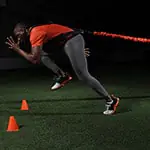
When comparing plyometric training equipment, speed training tools, and sled training equipment, start with the training goal and the surface. Plyo boxes support jumping, landing mechanics, and lower-body power work. Agility ladders, cones, and hurdles support footwork and change-of-direction drills. Push sleds and pull sleds support resisted movement, conditioning, acceleration work, and lower-body strength training when used on compatible surfaces.
For related training categories, compare plyo boxes, push sleds and pull sleds, speed training equipment, agility ladders, and agility cones and hurdles.
Popular Plyometric, Speed and Sled Training Products to Compare
Compare Plyometric, Speed and Sled Training Equipment Types
| Equipment Type |
Best Fit |
Buyer Notes |
| Plyo Boxes |
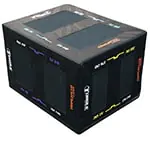
Jump training, step-ups, conditioning circuits, lower-body power, and athletic training programs. |
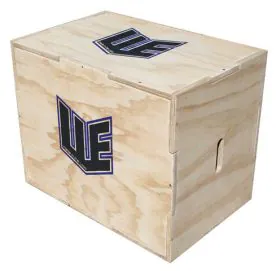
Compare box height, material, landing surface, storage needs, user skill level, and whether a steel, wood, or soft foam box is the better fit. |
| Push Sleds and Pull Sleds |
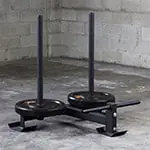
Resisted movement, acceleration work, lower-body strength, conditioning, and turf-lane training. |
Confirm the intended surface, sled runner design, weight loading, handles, harness compatibility, storage space, and training lane length before ordering. |
| Speed Training Equipment |
Sprint mechanics, resisted running, overspeed or acceleration work, and athletic development programs. |
Match the tool to the user group, available space, supervision level, and training goal. |
| Agility Ladders |
Footwork, coordination, warm-ups, change-of-direction drills, and group training. |
Compare ladder length, rung spacing, portability, storage, and whether the surface is suitable for repeated footwork drills. |
| Agility Cones and Hurdles |
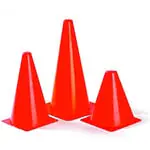
Directional drills, acceleration, deceleration, lateral movement, and team training layouts. |
Choose cone and hurdle heights based on age group, sport, movement pattern, visibility, and storage needs. |
How to Choose the Right Training Equipment
- Choose plyo boxes when the program includes jumping, landing, step-up, explosive lower-body, or conditioning work.
- Choose push sleds or pull sleds when the goal is resisted movement, sled pushes, sled pulls, acceleration work, and high-output conditioning.
- Choose agility ladders, cones, and hurdles when the training focus is footwork, coordination, sprint preparation, movement quality, or team drills.
- Choose speed trainers when athletes need focused acceleration, resisted sprinting, or sport-specific movement tools.
- Choose storage-friendly tools when outfitting schools, studios, athletic facilities, and high-volume training spaces that need fast setup and cleanup.
Buyer Notes Before Ordering Plyometric and Sled Training Equipment
- Plan the training surface first: Sleds, hurdles, ladders, and plyo boxes may require different surfaces. Turf, rubber flooring, concrete, and outdoor surfaces do not all work the same for every product.
- Match equipment to the user group: Youth athletes, adult athletes, tactical fitness users, group fitness classes, and home gym users may need different box heights, resistance levels, and equipment durability.
- Check footprint and clearance: Sled lanes, sprint drills, jump training, and agility layouts require more open space than many buyers expect.
- Review product-specific use guidance: Do not assume every sled is designed for every surface or that every plyo box is appropriate for every user or training environment.
- Verify purchasing details: For government, school, institutional, or commercial orders, confirm product-specific eligibility, quote requirements, freight, receiving, and installation or assembly needs before ordering.
Plyometric, Speed and Sled Training by Use Case
- Athletic training facilities: Combine plyo boxes, sleds, ladders, cones, hurdles, and turf lanes for speed, power, agility, and conditioning sessions.
- Commercial gyms and studios: Use compact plyometric and agility tools for HIIT classes, boot camps, conditioning circuits, and functional training areas.
- Schools and team rooms: Choose durable tools that can be stored quickly and scaled for groups, teams, and supervised training sessions.
- Home and garage gyms: Focus on compact plyo boxes, portable ladders, cones, and sleds that match available floor space and storage.
- Government and institutional facilities: Confirm product-specific purchasing eligibility, freight, receiving, and training-space requirements before placing an order.
Common Questions About Plyometric, Speed and Sled Training Equipment
What equipment is best for plyometric training?
Plyo boxes are commonly used for jump training, step-ups, landing practice, and conditioning circuits. Buyers should compare height options, box material, landing surface, storage needs, and user experience level.
What is the difference between a push sled and a pull sled?
A push sled is commonly used for forward sled drives and lower-body conditioning, while a pull sled is commonly used with straps or harnesses for resisted walking, sprinting, dragging, and acceleration work. Some sleds support both push and pull training.
Can sleds be used indoors and outdoors?
Some sleds are designed for turf or rubber flooring, while others may be used on additional surfaces depending on the runner design and product guidance. Always confirm surface compatibility before ordering.
Are soft plyo boxes better than steel or wood plyo boxes?
Soft plyo boxes are often selected when buyers want a foam-based landing surface. Steel and wood boxes may be preferred when durability, compact storage, or a firmer platform is the priority. The right choice depends on the user group and training environment.
Is this equipment available for government purchasing?
Some products may support government or institutional purchasing when product-specific eligibility is verified. Buyers should confirm quote requirements, freight, receiving, and contract eligibility before placing an order.
Shop Plyometric, Speed and Sled Training Equipment from IRON COMPANY
IRON COMPANY helps home, commercial, school, athletic, government, institutional, and facility buyers compare plyometric training equipment, speed training tools, push sleds, pull sleds, plyo boxes, agility ladders, cones, hurdles, and conditioning equipment. Review the products above or contact IRON COMPANY for help comparing equipment options for your training space.
Read Less