
 Call us today at 1-888-758-7527

Target Heart Rate Training Guide
A Comprehensive Guide to Heart Rate Training Zones
Heart Rate Training has always been an important concept of exercising especially with personal trainers and in rehab settings. Now it is becoming more popular in commercial gyms and studios. You have probably heard of hitting your "target heart rate zone" to help maximize your workout. There are a lot of new fitness facilities that are now focusing on this type of training. They want you to try and stay within your "zone" during your entire workout. So what exactly is heart rate training and how do you determine what zone you should be in? Here are some of the basics to get you started.

Target Heart Rate 101
Knowing your heart rate during exercise is a key factor in finding out whether you are working hard enough or need to step it up a level. To start, one commonly used method estimates your maximum heart rate by subtracting your age from 220. This is a basic way to estimate your average MAX, rather than an exact maximum for every individual. Your "target" heart rate range for exercise can then be expressed as a percentage of that estimated maximum. A broad range such as 50-85% allows you to have different intensity levels, although individual target ranges can vary.
*If you have a heart condition, are pregnant, take medications that affect heart rate, or have another health concern that could affect exercise, talk with an appropriate healthcare professional about what exercise intensity is suitable for you.
Heart Rate Intensity Levels
There are different levels of exercise that can be described based on the percentage of your estimated maximum heart rate. Heart rate zone systems vary, but the intensity levels/zones below provide one way of organizing them:
Light Zone = 50-60%
This level is pretty easy and usually consists of a warm up like walking. You can carry on a conversation easily as there is no labor intensive breathing. At this intensity you are not really going to increase your fitness level but it is still good in helping to keep your body healthy.
Moderate Zone = 60-70%
Most people can get into the moderate zone with light jogging on a treadmill, cycling, and/or weight training. You will be breathing a bit heavier but can still talk with others. This has often been called the Fat Burning zone because a greater proportion of energy may come from fat at some lower-to-moderate exercise intensities. It is however important to note that this does not mean this zone is automatically best for weight loss, which depends on factors beyond the percentage of calories coming from fat during a workout.
Aerobic Zone = 70-80%
Now you are getting into more targeted training zones. Exercising within 70-80% of your estimated max heart rate can provide a higher-intensity aerobic training stimulus. This is where all those new training studios come in to play. They try to keep their clients in this "zone" during portions of a workout. While keeping in constant movement from a treadmill to a rower and even circuit training with weights with little rest in between, you can keep your heart rate up high. This can be a demanding level to be at, so always remember to start slow and work your way up.
Anaerobic Zone = 80-90%
This is a very intense level of exercise that is usually done in shorter duration. Your breathing is very heavy and most people will not be able to speak comfortably. At these intensities, energy demands are high and the body relies increasingly on anaerobic energy pathways along with aerobic metabolism. This zone is often incorporated into higher-intensity athletic and conditioning work.
Exercise above 90% of estimated maximum heart rate represents very high intensity for many people and is generally sustainable only for relatively short periods. It is not automatically a zone everyone must stay away from, but whether this type of training is appropriate depends on the individual, the activity, training history, and health considerations.
So What Are the Benefits From Heart Rate Training?
It comes down to knowing how hard you are working during your workouts. If you are looking to achieve a specific goal, heart rate can be one useful measure for adjusting exercise intensity, although it is only one part of an overall training plan.
The higher the intensity level of exercise, the higher level of EPOC you can have. EPOC is the "excess post-exercise oxygen consumption," the period of elevated oxygen consumption that can occur after exercise. Higher-intensity exercise can produce a greater EPOC response, although the size and duration of that response vary and should not be treated as a guarantee of greater weight loss or a dramatically increased metabolism.
Using a Heart Rate Monitor
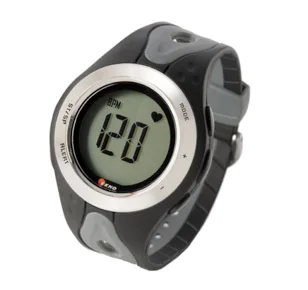
To keep you on track, a heart rate monitor can provide a convenient way to follow your heart rate during exercise. Features vary depending on the device, but useful readings can include current heart rate, estimated maximum heart rate and percentage of estimated maximum heart rate. Some devices also estimate calories burned and track additional workout measurements.
To speak to someone about cardio or other fitness equipment, contact an IRON COMPANY representative at (888) 758-7527 or [email protected] for details and pricing. We've got it all!
About the Author: IRON COMPANY Editorial Team
The IRON COMPANY Editorial Team creates and maintains buyer-focused content for gym equipment, gym flooring, cardio equipment, strength training equipment, free weights, and related fitness facility solutions. Our content is developed to help residential, commercial, government, military, school, institutional, and facility buyers compare products, understand key specifications, avoid common buying mistakes, and make more informed purchasing decisions. When appropriate, content is reviewed against manufacturer information, product specifications, IRON COMPANY category knowledge, and current purchasing considerations before publication.



The IRON COMPANY Editorial Team creates and maintains buyer-focused content for gym equipment, gym flooring, cardio equipment, strength training equipment, free weights, and related fitness facility solutions. Our content is developed to help residential, commercial, government, military, school, institutional, and facility buyers compare products, understand key specifications, avoid common buying mistakes, and make more informed purchasing decisions. When appropriate, content is reviewed against manufacturer information, product specifications, IRON COMPANY category knowledge, and current purchasing considerations before publication.
