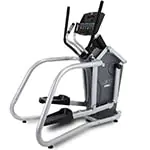
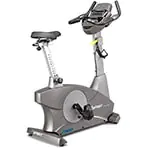
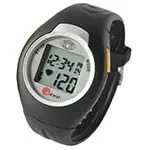
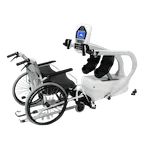
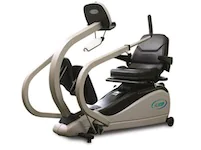
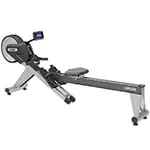
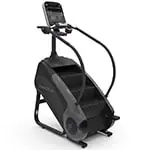
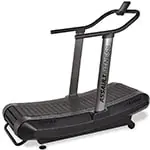
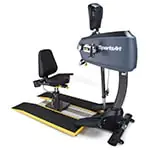
Cardio equipment covers treadmills, exercise bikes, ellipticals, indoor rowers, stair climbers, rehabilitation-focused cardio machines, and upper body ergometers. These machines help users improve endurance, build conditioning, and support everything from steady-state exercise to intervals and recovery-focused movement. The right machine depends on impact level, user ability, room size, service expectations, and whether the training environment is residential, commercial, institutional, or rehabilitation-focused.
IRON COMPANY has supplied gym equipment and flooring solutions since 1997, and this category is built to help buyers compare cardio equipment by real-world fit instead of treating every machine like it solves the same problem. Whether you’re outfitting a garage gym, commercial cardio floor, apartment fitness room, school facility, rehabilitation-focused clinic, or government project, this page is designed to help you choose the right category before you commit to a specific machine.
How to Choose Cardio Equipment by Impact, Space, and User Type
Start with the movement pattern the user is most likely to repeat consistently. Treadmills are often the first choice for walking, jogging, running, incline work, and general endurance training. Ellipticals and recumbent bikes make more sense when low-impact movement and longer sessions matter more than foot strike. Upright bikes work well when you want a compact cardio option with a familiar riding position, while indoor cycling bikes are a stronger fit for spin-style intensity, standing climbs, and quick resistance changes.
Marty Gallagher’s RAW columns on cardio training cover steady-state versus sprint cardio, cardiovascular conditioning and planning to a goal, fasted cardio training and goal setting for physical transformation.
Indoor rowing machines are one of the better total-body options when you want a non-impact cardio machine that still engages the legs, core, and upper body. Stair climbers create a very different training feel and are often chosen for high-effort conditioning and lower-body emphasis, but they require more ceiling planning than many buyers expect. Medical and rehabilitation-focused cardio equipment should be chosen differently from a general fitness machine because access, stability, predictable motion, and workload control matter more than top-end intensity.
Facility type changes the decision even further. Home buyers usually care most about footprint, noise, storage, and ease of use. Commercial and institutional buyers need heavier-duty frames, reliable electronics, serviceable parts, and machines that can hold up under repeated daily traffic. Budget-sensitive facilities should also compare new and refurbished commercial cardio when the goal is commercial-grade durability without stretching the project too far.
Compare Major Cardio Equipment Types
| Cardio Type |
Best Fit |
When Buyers Usually Choose It |
| Treadmills |
Walking, jogging, running, rehab walking progression |
Choose treadmills when the user wants a familiar movement pattern and precise control over speed and incline. |
| Elliptical Trainers |
Low-impact stride training and full-body cardio |
Choose ellipticals when joint-friendly movement matters more than running mechanics. |
| Exercise Bikes |
Compact low-impact cardio for broad user groups |
Choose exercise bikes when you want dependable cardio with less impact and less floor demand than many treadmills. |
| Indoor Cycling Bikes |
Spin-style training, intervals, studio use |
Choose indoor cycles when intensity, fast resistance changes, and standing riding positions matter more than comfort-first seating. |
| Rowing Machines |
Full-body, non-impact conditioning |
Choose rowers when you want more total-body muscular involvement than most bikes or treadmills provide. |
| Stair Climbers |
High-output conditioning and lower-body demand |
Choose stair climbers when you want a more demanding climbing pattern and a different conditioning feel than a treadmill or bike. |
| Medical & Rehabilitation Cardio Equipment |
Rehabilitation-supportive clinics, wellness centers, low-impact supervised progression |
Choose rehabilitation-focused cardio when stable access, predictable motion, and controlled workload matter more than training intensity. |
| Upper Body Ergometers |
Arm-driven cardio, seated conditioning, upper-body rehab support |
Choose UBE machines when lower-body loading is limited or when seated upper-body cardio is part of the program. |
| Refurbished Cardio Equipment |
Budget-sensitive commercial and institutional projects |
Choose refurbished cardio when the priority is commercial-grade equipment at a lower acquisition cost than new. |
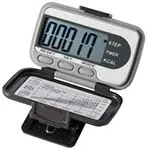
Within exercise bikes, recumbent exercise bikes add back support and seated comfort for longer sessions, senior fitness, and rehabilitation-supportive rooms, while upright exercise bikes keep a traditional cycling posture in a compact footprint. Heart rate monitors and pedometers are activity-tracking tools rather than cardio machines.
Field Notes for Smarter Cardio Planning
- Fan bikes remain one of the most demanding cardio tools because the user drives the machine with both the arms and legs at the same time, making them a strong choice for hard intervals and conditioning finishers.
- Indoor rowing machines are a strong fit for buyers who want total-body cardio with minimal impact, and many rowers are easier to store in homes and smaller facilities than large commercial treadmills.
- Stair climbers require more ceiling planning than many buyers expect. Before ordering, check the exact model's stated minimum ceiling height and operating clearance for the tallest intended user, especially in homes, basements, and tighter commercial rooms.
- If your ceiling is too low for a standard revolving stepmill, compare compact stair climbers or stair steppers designed for lower-clearance spaces instead of forcing the wrong machine into the room.
- Heart rate monitoring can help take the guesswork out of cardio intensity, which is especially useful for interval training, recovery-focused conditioning, and more structured endurance work.
- If you are building more than a single-station cardio corner, plan the flooring at the same time. Rubber rolls, tiles, or mats can help protect the subfloor, reduce wear, and create a cleaner finish under cardio equipment.
Before ordering, make sure to confirm your new cardio equipment will not only fit in its designated space and through any doorways leading to its ultimate destination, but that your space also allows enough room for the user. For stair climbers, confirm the specific model's ceiling-height and operating-clearance requirements for the tallest intended user, along with the dimensions needed for delivery.
We tell buyers to measure the space where they will be installing the equipment to ensure there is ample room for the footprint as well as the height of the machine and the user. We also remind them to check their door widths so we can make sure the equipment, such as StairClimbers, will fit through all doors when it arrives.
Cardio equipment often has chains, belts, motors, or other moving parts that may need lubrication as the manufacturer specifies. For this reason, it is a good idea to purchase an equipment mat for underneath your equipment to help prevent stains and scratches on your floor. Cardio equipment mats can also help reduce noise and vibration during your workout.
Shop Cardio Equipment by Use Case
Home Gyms and Apartment Fitness Rooms
Home buyers usually get the best long-term value from cardio equipment that matches both the training goal and the available footprint. Treadmills, upright bikes, recumbent bikes, compact rowers, and select ellipticals often make the most sense here. If the room also needs floor protection, compare gym flooring, rubber flooring rolls, interlocking rubber tiles, and rubber gym mats before the machine arrives.
Commercial Gyms and Health Clubs
Commercial cardio floors usually need a mix of treadmills, bikes, ellipticals, rowers, and stair climbers that can handle steady member traffic without creating a service headache. In this environment, frame stability, console reliability, service access, and replacement-part support matter more than brochure features alone.
Medical, Rehabilitation-Supportive, and Senior-Focused Settings
Rehabilitation-supportive and wellness-focused rooms should be built around access, support, and predictable progression. Recumbent bikes, recumbent cross trainers, rehabilitation-focused treadmills, and upper body ergometers often make more sense than intensity-first cardio machines when stability, controlled motion, and repeatable workload are the real priority.
Make sure when choosing cardio equipment that you pick something that not only is designed to help you reach your specific fitness goals, but conforms to any limitations you may have. As an example, for those that have knee pain, selecting a machine such as an exercise bike that offers low to no impact is a wise decision. If you’re considering an exercise bike but have issues getting on and off, consider a recumbent bike with a walk through design for easier access.
Biomechanical Movement Profiles & Clinical Physical Limitations — Matching the wrong machine layout to a user base or patient population works against the people who have to use it, particularly in medical, rehabilitation, or aging-clientele environments. Low-Impact & Orthopedic Rehabilitation: Traditional high-impact running decks place significant stress on compromised skeletal systems. For clinical rehabilitation and physical therapy spaces, select step-through frames built for stable entry and exit; whether a given patient should use one is the clinician's call. Total-Body Closed-Kinetic Training: When the objective is high caloric burn without high joint impact, total-body trainers are a good fit. Conditioning tools like the Concept2 RowErg or recumbent cross trainers let users train hard aerobically with less impact than running.
Schools, Hotels, Corporate Wellness, and Multi-Family Fitness Rooms
These spaces usually serve a wide range of users, which makes intuitive, approachable cardio especially important. Treadmills, upright bikes, recumbent bikes, and select ellipticals often cover the broadest group without making the room feel too specialized.
Tactical, Government, and Performance-Oriented Training Rooms
Conditioning-focused environments often lean toward fan bikes, rowers, treadmills, stair climbers, and supportive tools like push sleds / pull sleds and plyo boxes when the goal is work capacity, intervals, and broader conditioning variety.
Marty Gallagher’s articles on the fan bike as a cardio training tool and fan bike benefits and quad-limb cardio training explain how fan bikes compare with other cardio machines.
Commercial Classification, Environment Mapping, & GSA Logistics — Deploying machinery with inadequate structural ratings into multi-user environments can void the manufacturer's warranty and leaves the facility owner carrying the risk of early breakdown. Warranty Alignment: Choose equipment whose manufacturer-rated use and warranty match the facility type and expected daily use: some non-dues-paying shared facilities can use light-commercial models such as the Spirit Fitness CR800 Recumbent Fitness Bike, while busy health clubs need models rated for that use, such as the Spirit Fitness CR900 Recumbent Fitness Bike; the warranty class is on each product page. Government & Military Procurement: Institutional and federal buyers must adhere to strict contractual and regulatory compliance frameworks. Eligible institutional and federal buyers can source cardio equipment through IRON COMPANY's GSA Contract 47QSMA22D08NN; buyer eligibility, product-level eligibility and TAA status are confirmed before a GSA order.
Best Fit / Not Ideal For
Best fit: buyers who want dedicated cardiovascular training, low-impact conditioning options, interval work, or rehab-supportive movement in a format that matches their room and user base.
People that should purchase cardio equipment:
- Busy professionals and parents seeking convenience.
- Remote workers combating sedentary lifestyles.
- Outdoor athletes trapped indoors by bad weather.
- Individuals rehabilitating lower body injuries.
- Home Gym Owners Sourcing High-Yield, Space-Efficient Conditioning — Residential fitness enthusiasts looking to combat a sedentary lifestyle or train indoors during harsh weather need to balance structural performance, ambient noise, and available floor space. Multi-functional or easily stored cardio equipment gives long service without cluttering living spaces. For standalone endurance work, compact structures like upright exercise bikes provide a familiar riding posture within a highly restricted footprint. If a home user prioritizes full-body metabolic conditioning with minimal joint stress, indoor rowing machines like the Concept2 RowErg are a strong choice. These units engage the legs, core, and upper body simultaneously and separate into two pieces for storage. Homeowners with acoustic restrictions should compare the operating noise of fan and magnetic resistance machines; low basements call for checking each machine's operating height.
- High-Traffic Commercial Gyms, Health Clubs, and Hospitality Fitness Rooms — Commercial operators, hotel managers, and multi-family housing developers must prioritize heavy-duty structural engineering, durable electronics, and comprehensive warranty coverage. Commercial cardio zones face relentless daily traffic, high weight limits, and continuous user adjustment. Commercial buyers should select equipment rated for their facility type and expected daily use. Check each model's rated use class and warranty on its product page; the Spirit Fitness CR900 Recumbent Fitness Bike, for example, carries a commercial warranty. Incorporating specialized protective cardio equipment mats under each station shields the underlying gym flooring from mechanical lubrication and dampens continuous belt vibrations.
- Medical Outpatient Clinics, Physical Therapy Spaces, and Senior Centers — Clinical wellness environments, rehabilitation-supportive centers, and senior active living spaces require surfaces and motion profiles built around step-through access, user stability, and precise workload progression. In these settings, orthopedic safety and joint-friendly patterns are a critical priority over top-end intensity. Physical therapists and clinical directors should invest in specialized low-impact configurations to manage specific user limitations and health concerns. The Endurance T50 Rehab and Walking Treadmill has full-length supportive handrails and a low step-up height for patient support during gait progression. For users whose clinician recommends seated, low-impact work, recumbent cross trainers—such as the Spirit Fitness 7.0S Recumbent Cross Trainer—offer a seated, back-supported position.
- Tactical Performance Centers, Military Bases, and Government Facilities — Procurement officers and tactical strength coaches managing federal, municipal, or institutional training facilities must balance maximum structural durability with strict regulatory contract compliance, rigorous durability mandates, and fixed public budgets. Tactical conditioning setups must withstand high-velocity interval training and relentless physical abuse. To build work capacity and burn calories quickly among tactical operators, facilities should prioritize high-output, four-limb air-resistance systems. Heavy-duty conditioning tools like the AssaultBike Pro X challenge users by forcing the arms and legs to work together against dynamic resistance. Eligible government buyers can request quotes and bulk facility outfitting packages through IRON COMPANY's GSA Contract 47QSMA22D08NN; buyer and product eligibility are confirmed per order.
- Tactical Cross-Training Box Operators and Athletic Conditioning Facilities — Functional fitness coaches, sports performance directors, and athletic conditioning facilities rely on high-velocity conditioning tools that integrate smoothly into rapid interval circuits. Equipment in these environments must handle explosive power outputs from advanced athletes without belt slippage or frame shifting. For explosive athletic intervals, self-powered or mechanical resistance trainers are a strong investment. Heavy-duty platforms like the Xebex Eco Air Cycle or specialized incline push/pull sled treadmills allow competitive athletes to strike and sprint at full intensity. Models that need no wall outlet—check the specification for the console's power source—can be positioned anywhere across an open weight room floor without a trailing power cord.
- Busy Professionals and Remote Workers Seeking Time-Efficient HIIT Options — Individuals attempting to balance high-stress careers or remote work schedules with personal health goals require equipment that maximizes cardiovascular conditioning within short, condensed training windows. Conditioning units suited to high-intensity interval training (HIIT) are a good fit for packed calendars. A fan bike lets a user reach a hard effort in a short session. These air-resistance trainers add resistance the harder you push and respond instantly to the user's effort.
Not ideal for: buyers who expect one machine to solve every training goal, or rooms where cardio will play only a minor role and portable conditioning tools would be a better fit. A spin bike will not replace a comfort-first recumbent bike, a rower will not feel like a treadmill, and a stair climber is not automatically the right answer for low ceilings or beginner users.
People that should not consider purchasing cardio equipment:
These limits apply to particular machines and installation requirements, not to every type of cardio equipment.
- Spaces Lacking a Dedicated, Code-Compliant Electrical Infrastructure — Facilities or residential buyers looking to deploy heavy motorized cardio units over standard, shared electronic loops should pause their procurement. Motorized running decks draw a heavy current under full load. Many manufacturers specify a dedicated circuit; confirm the exact model's requirement on its product page or in its installation instructions. Attempting to chain multiple motorized units onto a shared breaker network—or running them alongside secondary equipment like water coolers, gym entertainment systems, and light panels—can overload the circuit. This can cause sudden console resets, mid-workout stops, and eventual burnt motor controllers. If your layout is structurally restricted and cannot accommodate the installation of dedicated electrical lines, heavy motorized equipment is a mismatched asset investment. In such cases, you should pivot toward self-powered, mechanical resistance options.
- Low-Ceiling Training Areas and Constricted Structural Footprints — Property owners converting small spare closets, compact apartment rooms, low-clearance basements, or mezzanine floors with limited headroom should not invest in vertical-motion machinery. While buyers often remember to measure horizontal wall boundaries, they frequently overlook vertical clearance restrictions. Equipment featuring steep incline configurations, high step-up heights, or high-amplitude vertical paths elevates the user's head significantly off the floor. For clear headspace, check the exact model's stated minimum ceiling height against the tallest intended user at the machine's highest step or incline position. Attempting to force a vertical climber or a deep-incline platform into a space with low clearance can put the user's head at the ceiling.
- Open-Air Elements and Facilities Exposed to Changing Weather Cycles — Property managers, military logistics officers, or homeowners looking to build an unshaded outdoor training deck, a rooftop calisthenics area, or a backyard conditioning floor should not expect standard cardio equipment to hold up. Most cardio machines' drive belts, bearings, consoles, and motor shrouds are built for indoor use; check whether the specific model is rated for the environment. Subjecting these complex mechanical platforms to direct sunlight, high humidity, ocean air, and rainwater can damage the equipment beyond repair. Unregulated UV radiation can degrade console touchscreens, harden plastic shrouds, and break down foam handles. Moisture condensation can corrode the frame, short internal wiring, and make drive belts slip. For unshaded outdoor zones, choose only equipment the manufacturer rates for outdoor use.
- Acoustic-Sensitive Residential Rooms and Shared-Wall Office Zones — For homes and offices where noise is a concern, compare the specific machine's operating noise and floor vibration at the intended effort. Wind-resistance fan systems suit explosive, high-effort training because the resistance scales directly with human effort. Fan noise rises with effort: during hard intervals the fan creates a loud, persistent wind roar that can carry through shared walls. If your environment needs quiet operation, compare the specific machine's operating noise and floor vibration; magnetic resistance machines are usually the quieter choice.
- Multi-User Commercial Spaces Operating on Single-User Residential Budgets — Gym operators, multi-family housing developers, or corporate wellness directors on restricted startup budgets should not purchase entry-level or light-duty residential fitness equipment to save on upfront costs. Check whether the exact model's rated use and warranty cover the intended facility and expected daily use. Equipment used outside its manufacturer-approved setting or workload may not qualify for warranty coverage. High-traffic environments call for equipment rated for that use, with the weight capacity the facility needs. If your capital allocation does not allow for a commercial-grade investment, a better use of the budget is non-motorized, heavy-duty conditioners or free weights until procurement budgets expand.
- High-Performance Athletic Facilities Sourcing Base-Tier Drive Decks — Coaches, tactical strength operators, and veteran conditioning organizations should not invest in baseline, consumer-tier fitness platforms. Professional athletes possess metabolic output thresholds and explosive mechanical power that can overwhelm and damage lower-tier machinery. When a high-level sprinter or heavy tactical operator executes explosive compound intervals on a machine with a lightweight internal flywheel or an inadequate drive deck motor, the equipment creates a major functional limitation. The drive belt can slip under hard foot strikes, the resistance can fade or lock up as heat builds in the braking components, and the frame can shake for lack of structural mass. When the machine's speed or resistance range cannot challenge the athlete, the purchase does not serve advanced conditioning goals.
Common Cardio Buying Mistakes
- Choosing intensity-first equipment for comfort-first users. Indoor cycling bikes and fan bikes can be great tools, but they are not the best starting point for every home, rehabilitation-supportive, or senior-focused environment.
- Ignoring ceiling height and footprint. Stair climbers, treadmills, and some ellipticals need more usable room than many buyers expect.
- Treating refurbished cardio like a downgrade by default. Professionally reconditioned commercial machines can be a smart solution when the project needs commercial-grade durability on a tighter budget.
- Forgetting flooring and access paths. A machine may fit the room on paper but still be difficult to move in, place correctly, or protect underneath.
- Comparing categories by price only instead of user fit. The better machine is the one the user will actually use consistently and safely in that environment.
When commercial buyers, medical facilities, and home users select heavy-duty cardio equipment, certain miscalculations can result in voided warranties, unexpected electrical overhauls, or machinery that conflicts with their users' physical restrictions. To help you select the right equipment for your space and budget, here are four buying considerations and how to handle them.
Overlooking True Ceiling Height and Machine Entry Clearance — A common planning mistake facility managers and home gym owners make is measuring only the horizontal floor footprint while ignoring vertical restrictions. This issue is particularly acute with equipment featuring high user steps or steep incline settings. Stair Climbers and Ellipticals: A commercial unit like the Spirit Fitness CSC900 Stair Climber needs far more clearance than a standard treadmill—a 10-foot minimum ceiling height for that model; check the exact model's stated minimum ceiling height and operating clearance for the tallest intended user. Doorway and Hallway Obstructions: Some commercial cardio frames are too wide for standard doorways. Before ordering, confirm the delivery configuration (assembled or boxed) and the entire access route—doorways, hallway turns, and elevators.
Assuming Residential, Light-Commercial, and Commercial Warranties are Equal — Using equipment outside its manufacturer-approved setting or workload can put warranty coverage at risk. Structural durability, internal bearing seals, and motor duty cycles are explicitly engineered for their targeted usage thresholds. Placing a residential model into a shared corporate wellness center, public police academy, apartment fitness room, or school gym can void the manufacturer's warranty; check the warranty's use class before buying. Full-commercial units such as the Spirit Fitness CR900 Recumbent Fitness Bike carry a commercial warranty, while the Spirit Fitness CR800 carries a light-commercial warranty; the terms and rated use are on each product page.
Miscalculating Electrical Infrastructure and Dedicated Power Requirements — A critical infrastructure failure occurs when operators map out rows of motorized equipment without auditing their facility’s breaker boxes. High-draw motorized machines require specific electronic conditions to operate safely and efficiently. Dedicated Circuits: Before ordering a motorized treadmill, confirm the exact model's voltage, circuit rating, receptacle and dedicated-circuit requirement on its product page or in its installation instructions, and have the installation checked by a qualified electrician. Sharing a circuit with other cardio machines, water coolers, or gym lighting can cause circuit breaker trips, console resets, and early motor controller failure. Self-Powered Alternatives: If your layout lacks flexible wall or floor AC outlets, choose a model whose specifications confirm it needs no external power—the standard Spirit Fitness CR800 Recumbent Fitness Bike is one; check console and accessory power requirements separately.
Matching the Wrong Movement Profile to Patient and Athlete Limitations — Assuming all cardio machines are interchangeable for caloric burn and physical accessibility can lead to poor user retention and discomfort, especially within medical, rehabilitation, or aging-clientele facilities. High-Impact vs. Low-Impact Postures: While a traditional treadmill gives a high level of metabolic conditioning, it loads the joints more than seated or low-impact machines. Users with back, knee, or mobility limitations should ask their clinician which movement pattern suits them before choosing a standing or high-step machine. Medical Rehabilitation Accessibility: For clinical environments, corporate wellness centers, or physical therapy facilities, select step-through designs built for easier access. Check each model's rated use and weight capacity on the product page.
Delivery, Assembly, and Maintenance
- Cardio equipment, such as rowing machines and some exercise bikes, are compact and light enough to ship via ground parcel (UPS or FedEx). But most cardio equipment is oversized and too large or heavy to ship via ground parcel and therefore ships on oversized custom made wooden pallets via LTL shipping where the product is shrouded with shrink wrap and/or cardboard and then strapped securely to the pallet. Some cardio machines are packed well enough at the factory to allow multiple units to be shipped on a single pallet.
- Most cardio equipment arrives with some assembly required. Tools and instructions are included with most cardio machines but make sure you have access to basic tools such as a hammer, pliers, and a screwdriver just in case.
- Confirm whether lift-gate service is included in your delivery arrangements before shipment. Because of the size and weight of this equipment, make sure you have the help or tools to facilitate relocating your new equipment from the delivery point to its final destination.
We have installed our cardio equipment brands including Spirit Fitness, Assault Fitness, SportsArt, Concept 2, Xebex, Body Solid, Schwinn, BodyCraft, Star Trac, Jacobs Ladder and more all over the United States for residential, commercial, and government customers.
IRON COMPANY's online catalog covers the cardio equipment categories listed on this page. Our cardio equipment including elliptical trainers, recumbent cross trainers, exercise bikes, cardio equipment for medical and rehabilitation, rowing machines, stair climbers, treadmills, and upper body ergometers have been supplied to residential, commercial, and government customers on a global scale.
Cardio equipment brands we supply to our customers include Spirit Fitness, Assault Fitness, SportsArt, Concept 2, Xebex, TrueForm, WaterRower, StairMaster, TKO, Spinning, Body Solid, Schwinn, BodyCraft, Star Trac, Jacobs Ladder and more.
Our installers can perform services including old equipment and flooring removal, new equipment and flooring installation, assembly, trash and debris removal, as well as warranty service and routine maintenance.
Make sure to properly maintain your cardio equipment at all times including lubricating only the parts the manufacturer's maintenance schedule specifies, treadmill decks waxed (depending on make and model), screws and bolts tightened, console batteries fresh, and power cords away from moving parts or anything else that can damage them.
Featured Cardio Equipment
Helpful Cardio Guides
Support Categories for a Better Cardio Room
Common Buyer Questions
- What cardio equipment is best for a home gym?
- Home gyms often do best with treadmills, upright or recumbent bikes, compact rowers, or low-impact ellipticals. The right choice depends on space, noise tolerance, impact preference, and whether the user values walking, cycling, or full-body conditioning most.
- What is the best low-impact cardio machine?
- Elliptical trainers, recumbent exercise bikes, rowing machines, and upper body ergometers are all strong low-impact options. The best fit depends on whether the user wants leg-driven, full-body, seated, or arm-driven cardio.
- Should I choose an upright bike, recumbent bike, or indoor cycling bike?
- Choose an upright bike for a traditional cycling posture, a recumbent bike for more support and comfort, and an indoor cycling bike for higher-intensity, spin-style training with faster resistance changes.
- Are refurbished cardio machines worth considering?
- They can be, especially when the goal is to get commercial-grade cardio at a lower cost. Professionally reconditioned machines make the most sense when the supplier has a clear refurbishment process and proven commercial platforms.
- Are fan bikes and rowers good for interval training?
- Yes. Fan bikes and indoor rowers are both strong interval tools because they let users work hard quickly and recover between rounds. Fan bikes feel especially demanding because the arms and legs work together throughout the effort.
- Do stair climbers need special room planning?
- Yes. Ceiling height should be checked before ordering because the user stands higher on the machine during use than they would on many bikes or rowers. Some compact step models are better suited to lower ceilings.
- What should go under cardio equipment?
- Protective flooring or machine mats can help reduce wear on the subfloor, improve traction, and create a cleaner finish under treadmills, rowers, bikes, and other cardio machines.
- Can IRON COMPANY help with larger cardio projects or government purchasing?
- Yes. IRON COMPANY supports quote-based cardio packages, related flooring and conditioning products, and verified government purchasing support for qualified buyers.
- Which cardio machine burns the most calories, and is it right for my joints?
- Calorie expenditure varies with the activity, exercise intensity, duration, and body weight. Choose a machine that fits your goals and physical abilities and that you can use consistently. Treadmills and stair climbers load the whole body against gravity and suit users who tolerate impact; a fan bike works the arms and legs together and lets a user reach a hard effort quickly. Users with knee, back, or spine conditions should ask their clinician which movement pattern and workload suit their condition. Total-body conditioners like the Concept2 RowErg, and recumbent cross trainers, give a hard cardiovascular workout with less impact than running. We get into motorless treadmills and fan bikes in our cardio training guide.
- What is the best cardio equipment for bad knees?
- If joint health is a priority, consider an elliptical trainer or recumbent exercise bike. Both machines keep the feet in constant contact with the pedals, providing a fluid motion that is easier on the joints while elevating the heart rate.
- What is the best cardio equipment for physical rehabilitation or elderly users?
- Medical clinic directors, senior living wellness coordinators, and physical therapists frequently look for safety-first equipment configurations built around step-through access, stability, and gradual workload progression:
- The Accessibility Roadblock: Traditional upright exercise bikes or steep vertical climbers have a high step-over, which can be a fall risk for some patients during mounting and dismounting.
- The Clinical Solution: Outpatient facilities usually specify walk-through frames and full user support. Equipment like the Endurance T50 Rehab and Walking Treadmill has extended, full-length supportive handrails and a low step-up deck height for support during gait rehabilitation.
- What is the best cardio equipment for small spaces?
- If you live in an apartment or anywhere with limited space, a few budget friendly options are folding treadmills, rowing machines with a manufacturer-approved compact storage option, or compact upright exercise bikes. These choices will get your heart pounding while utilizing a smaller footprint than most cardio machines.
- Do I need a dedicated electrical outlet and circuit for my motorized treadmill?
- Motorized treadmills draw a heavy load under acceleration, and wiring that does not match the machine's requirement can trip breakers, reset consoles, or shorten controller life:
- The Requirement: Confirm the exact model's voltage, circuit rating, receptacle and dedicated-circuit requirement on its product page or in its installation instructions before ordering.
- The Shared Breaker Danger: Sharing an electrical line with other machinery, electronics, water coolers, or gym lighting panels can overload the circuit and stop the machine mid-stride, which can be a fall risk.
- Self-Powered Alternatives: If your room cannot take added electrical work, choose a model whose specifications confirm it needs no external power, and check the console's power source separately.
- How do commercial gym cardio warranties differ from residential coverage?
- Buyers frequently try to stretch a startup budget by placing high-end home fitness gear into shared public or B2B settings. This can void the manufacturer's warranty and leaves the facility carrying the risk:
- Residential Machinery Limits: Rated by the manufacturer for home use—lighter duty cycles and fewer hours per day.
- Commercial Demands: Busy public spaces need models the manufacturer rates for that use, with the duty cycle and weight capacity the facility requires.
- Smart Procurement: Match the model's rated use and warranty to the facility type and expected daily use; some non-dues-paying shared rooms qualify for light-commercial coverage. A full-commercial unit like the Spirit Fitness CR900 Recumbent Fitness Bike carries a commercial warranty, and IRON COMPANY's GSA Contract 47QSMA22D08NN is available to eligible buyers; eligibility is confirmed per product.
- How do I choose between an air-resistance fan bike and a magnetic exercise bike?
- Noise and the way resistance is controlled affect where a machine can go:
- Air-Resistance Systems: Utilize a physical fan flywheel. These provide resistance that rises the harder you pedal against the fan blades, which suits high-intensity interval training (HIIT). However, their limitation is a loud wind roar and persistent air movement that can disrupt quiet rooms or shared office walls.
- Magnetic Resistance Systems: Use internal magnets to set resistance, adjusted by a manual knob or electronic controls depending on the model. They run much quieter than fan bikes; for quiet rooms, compare the specific machine's operating noise and floor vibration.
Need Help Choosing the Right Cardio Equipment?
If you’re comparing treadmills, bikes, ellipticals, rowers, stair climbers, rehabilitation-focused cardio, or upper body ergometers, contact IRON COMPANY for product guidance, package quotes, and help matching cardio equipment with flooring and support categories. For ordering, returns, and support information, visit Customer Care.
Read Less